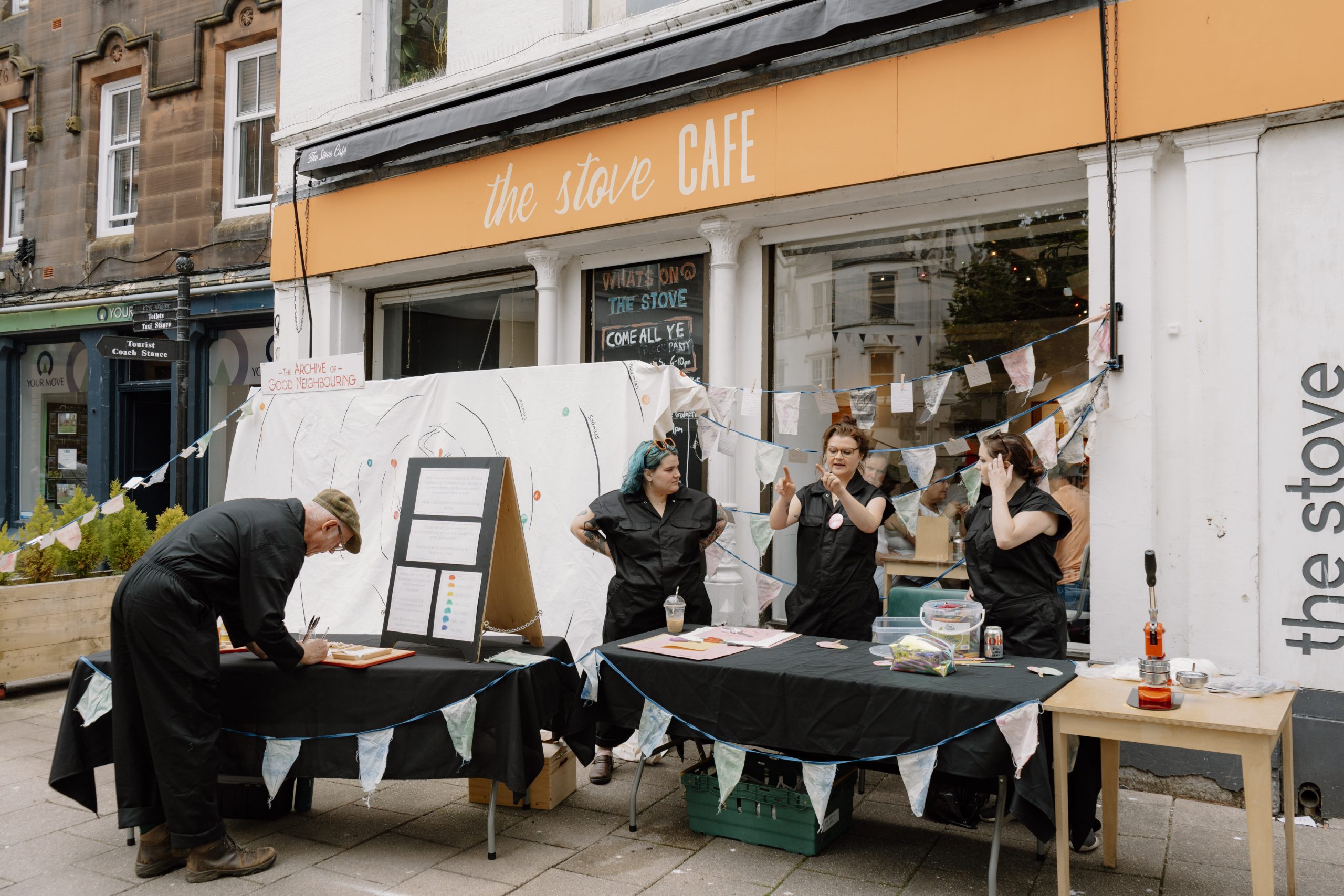
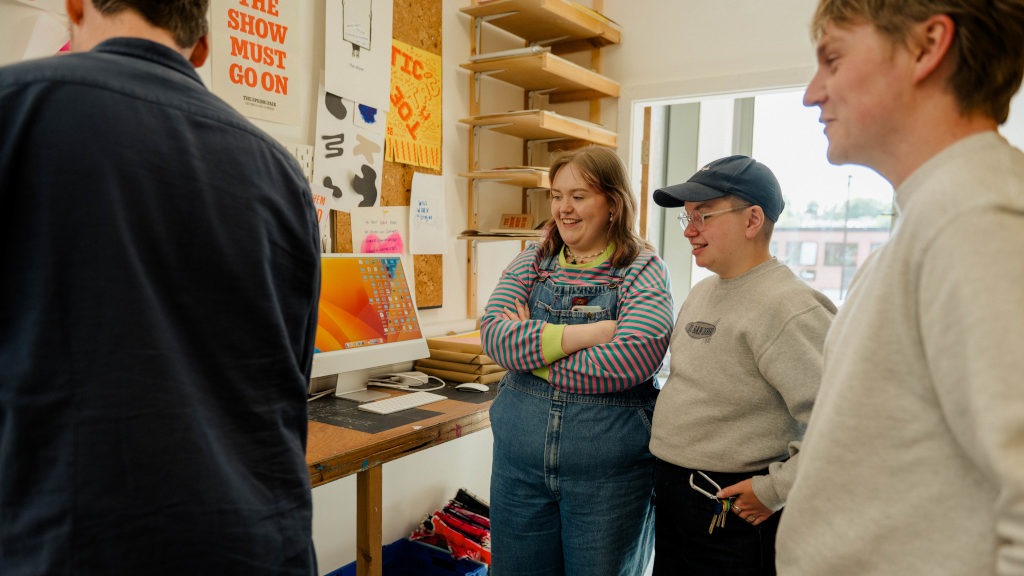
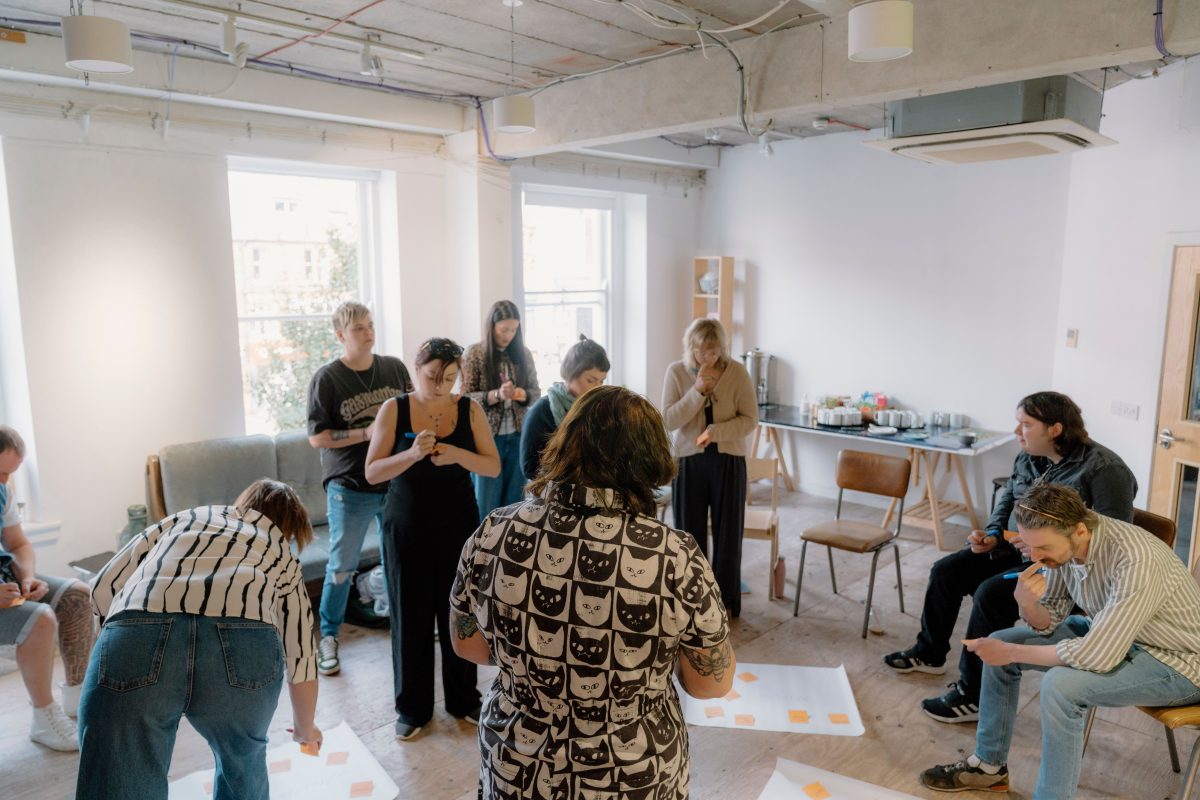
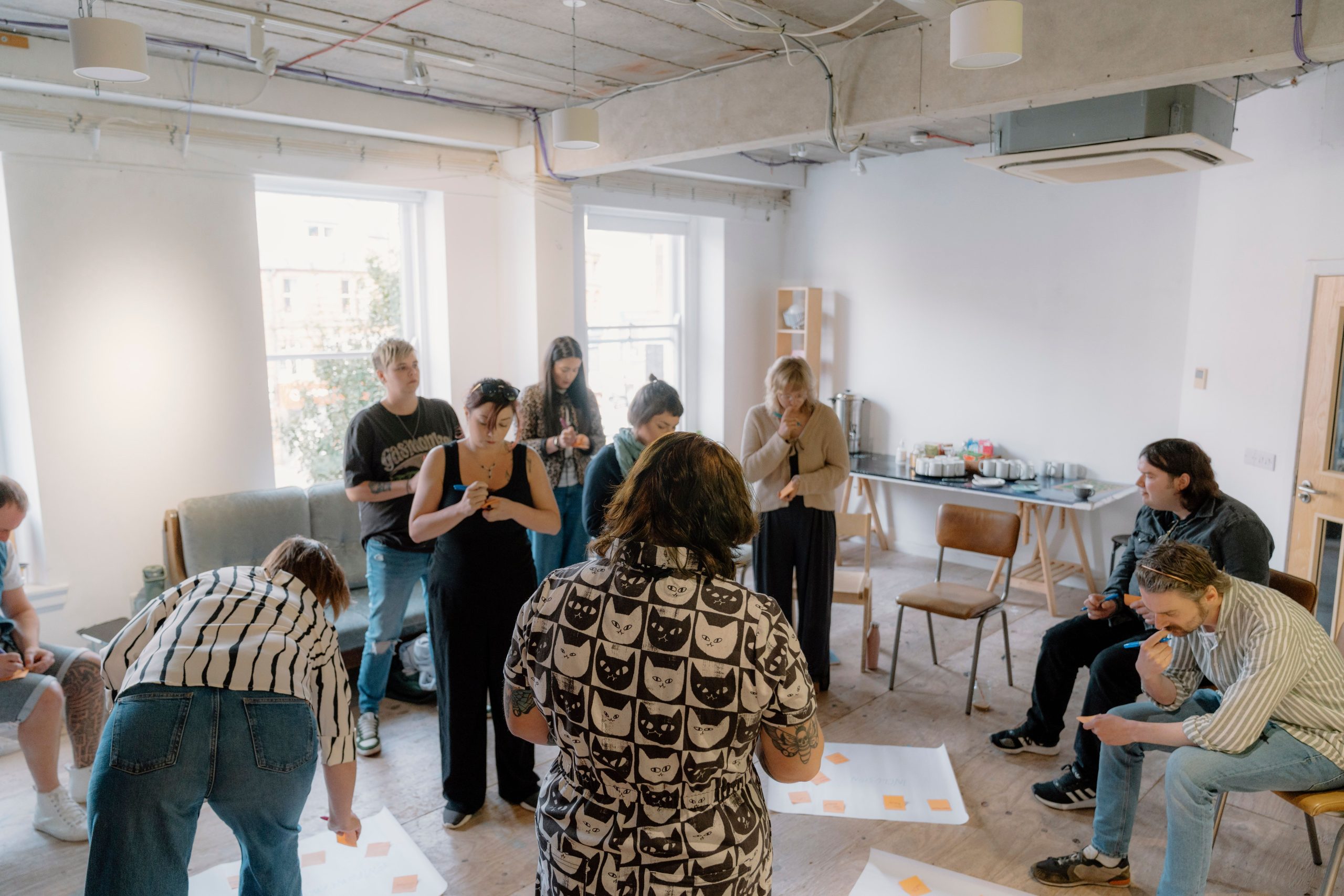
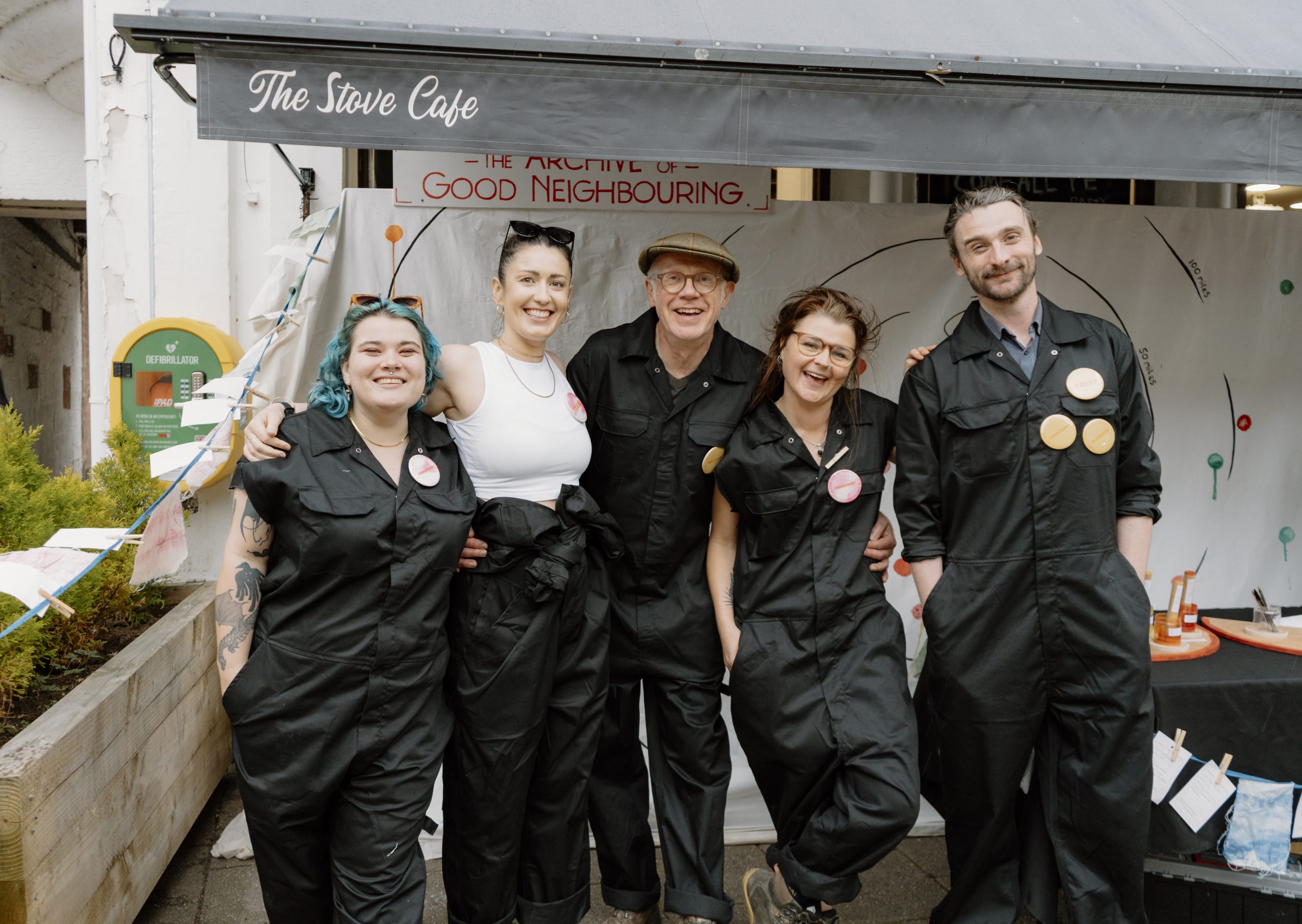
The Stove Network | University of Strathclyde | Dumfries
The Stove Network, in partnership with the University of Strathclyde’s Department of Marketing, is recruiting an Evaluation & Impact Coordinator to join the team in Dumfries.
This new role is part of a funded Knowledge Transfer Partnership and will lead an important programme exploring the value and impact of community-led creative placemaking.
You will help design and deliver a clear, practical evaluation framework. You will work across our regional network to gather insight, strengthen evidence, and support national conversations about culture, regeneration and community wealth building.
We are looking for someone who cares about community-led change, understands data and systems, and can communicate impact in a clear and engaging way. You will be based with The Stove team in Dumfries and work closely with academic partners at the University of Strathclyde to develop new tools and research approaches.
This is a strong opportunity to shape a nationally significant piece of work while building your own professional experience.
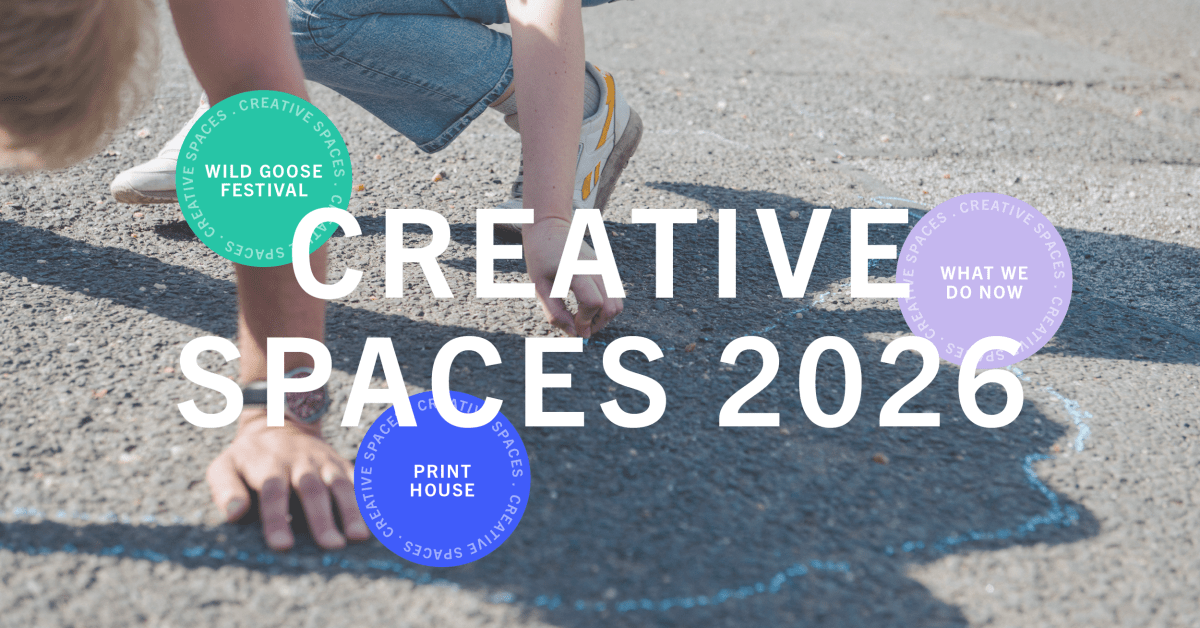
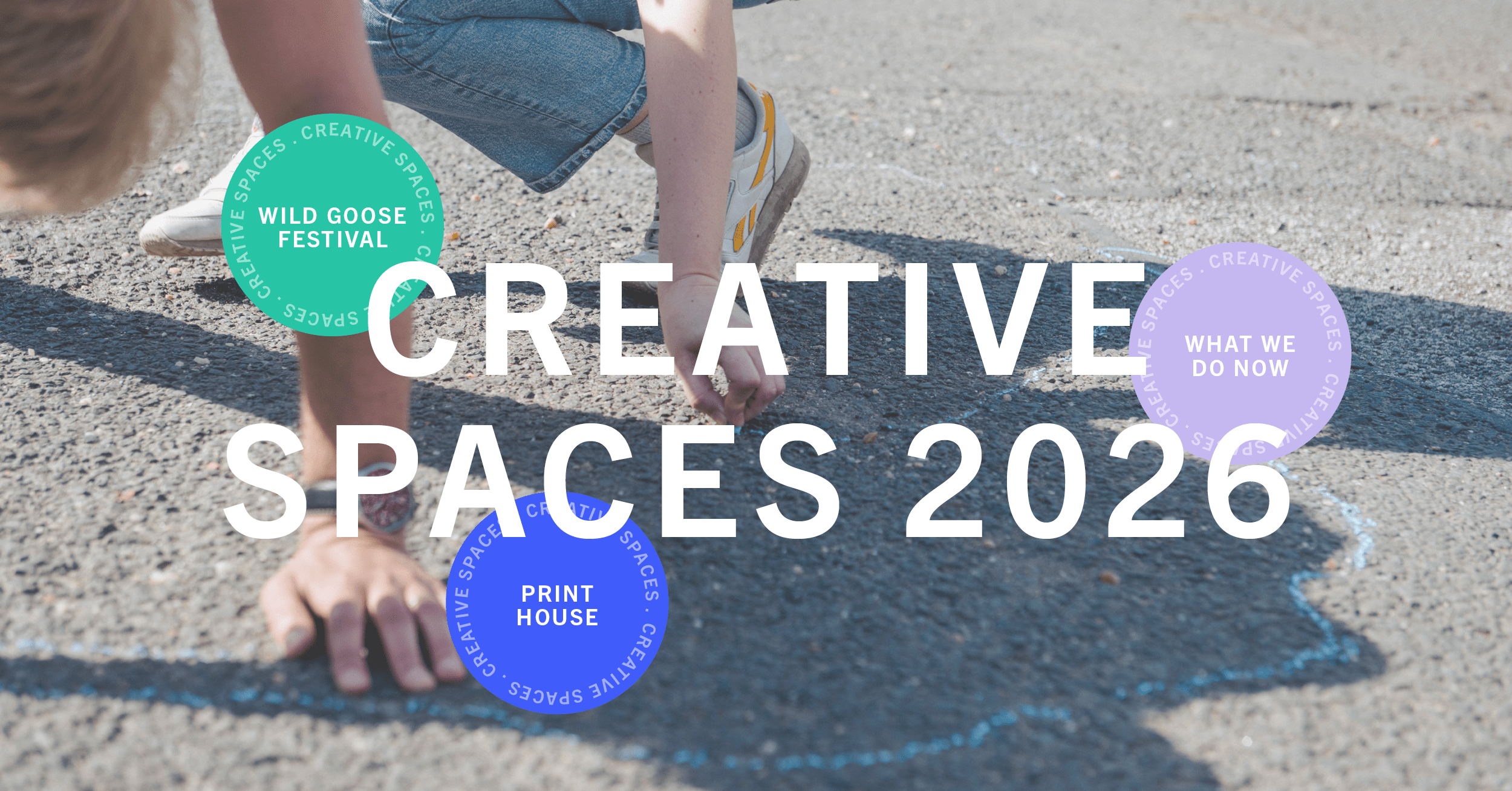
We have 3 roles available this year, each with a different focus.
Location: The Stove, Dumfries Application Deadline: 12 pm (noon) on Friday, 6th March
The Roles
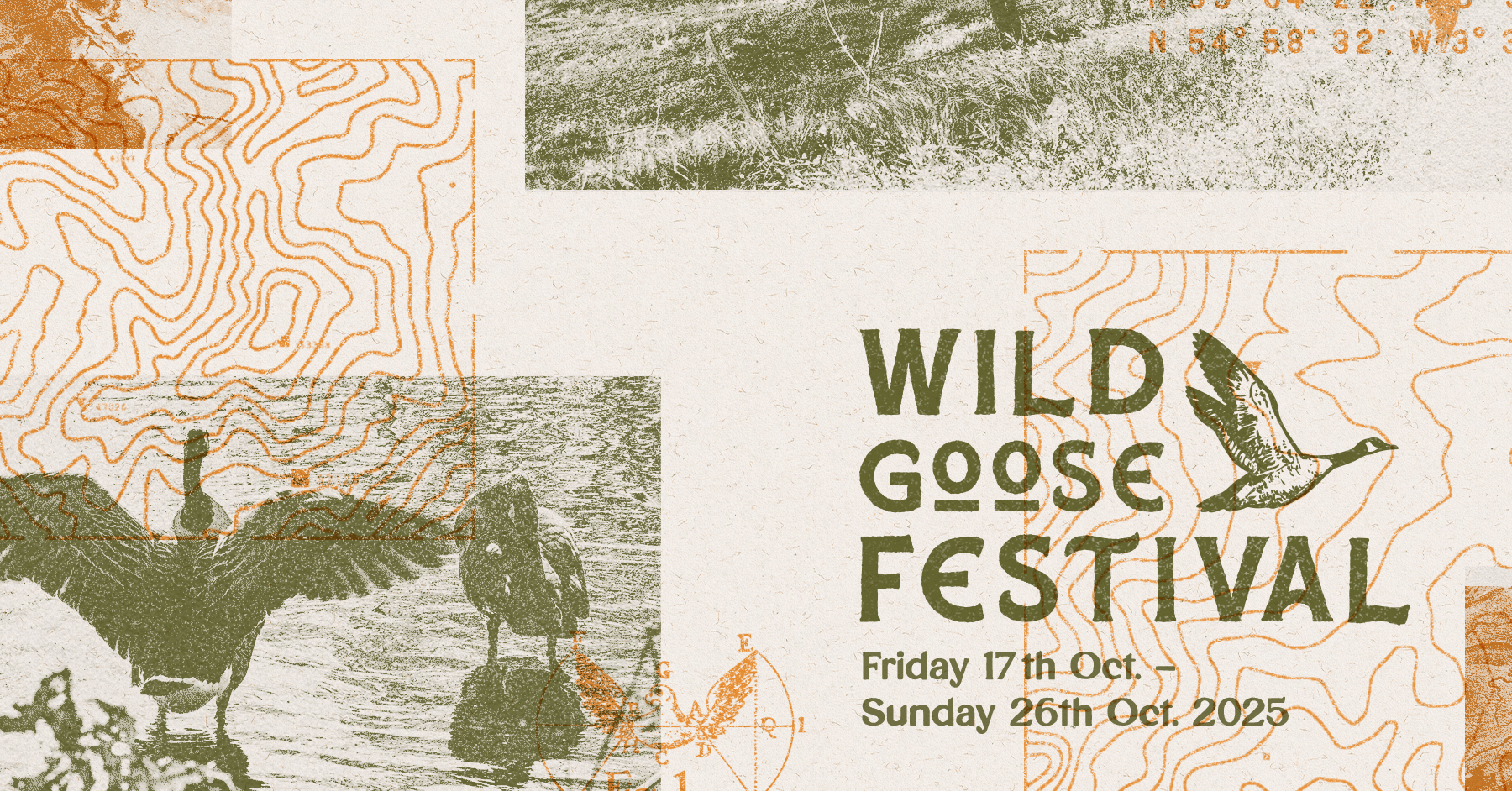
Wild Goose Festival:
This role is for someone interested in wildlife, ecology and the natural world, and curious about how art and culture can engage with environmental issues. A background or interest in writing or storytelling, performance, music or sound might suit this role.
You’ll develop a creative line of work connected to the Wild Goose Festival, working with creative practitioners, partners and young people throughout the year. This role will contribute creatively to the development of outreach and education programmes in schools, with partners and with the programming & delivery team for Wild Goose Festival.
This role suits someone who cares deeply about the natural world, who has a passion for inspiring the imaginations of young people and families, and can work effectively as part of a team.
What We Do Now
This role is ideal for someone with a strong connection to Dumfries & Galloway beyond Dumfries town centre, and an interest in public art, social geography and local decision-making. A background or interest in socially-engaged practice might suit this role.
Embedded within the What We Do Now programme, you’ll explore creative placemaking as a practical way of working — collaborating with communities and contributing to projects rooted in real places.
This role suits someone who has exceptional communication skills, can listen deeply and let that listening inform a creative process. You should enjoy working with others and building relationships.
The Print House
This role is for someone with an interest in print, creative writing, design, illustration or comics.
You’ll learn how The Stove’s Print House operates, work alongside the development of community programmes from concept through to delivery, whilst growing your creative practice. You’ll work particularly closely with the Off the Margin programme, supporting creative projects with marginalised and under-represented communities.
This role suits someone who enjoys making, learning by doing, and using creativity to widen access and participation.
Rate of Pay and Conditions
Pay range £753.20per month. 14 hours per week (2 Days). One day in the office, working with other associates, with the second day being more flexible.
How to Apply
Feel free to be creative with your application; have fun! We will accept any of the following formats:
• Covering Letter (no more than 500 words)
• Video (no more than 3mins)
• Voice note
Answering the question “Why do you feel that a Creative Spaces Associate role is the right opportunity for you right now?”
Please specify which of the three Associate Roles (WWDN, Wild Goose Festival or Print House) you feel would be the best fit, and why. Please note that we will consider your application for all 3 positions, but it’s useful to know what your preference is. You can include in your application an idea for a specific project – workshop, event, creative output – which would link to one of the specific roles.
Please make sure that you include a CV or text sheet with your name, contact details and up to 5 examples of recent work (this could be images, videos or write-ups).
Please submit your application by email to [email protected] (max file size of 10MB) with the heading ‘Creative Spaces Associate’
For more information about the opportunities, check out the linked document here:
We are committed to creating an inclusive and accessible programme for everyone. We welcome applications from people of all backgrounds and experiences, and are happy to discuss any access requirements or adjustments needed to support people to apply and participate fully. Applicants will be invited to complete an Equal Opportunities Monitoring Form, collected anonymously to help us monitor and improve inclusion across our work.
The past year at The Stove has been one of major transition: moving into the spaces left by our CEO and co-founder, Matt Baker, and navigating new paths in mixed-income generation and commissioned work as part of our strategy for greater financial resilience and cross-sector working.
Alongside some fantastic achievements, great projects (ours and those we support and work alongside), valuable additions to our team, multi-year funding from Creative Scotland, National Lottery, and Esmée Fairbairn support for the What We Do Now network for the next three years, it has also been a year of great challenge: as a team and as individuals as we respond to and deal with the pressures of an increasingly precarious sector within a landscape where community services are literally on their knees.
The risk at times like this is that challenges are met and decisions made that address short-term needs without a deeper, holistic understanding of what is required to achieve long-term goals and ensure positive, sustainable change. A quandary rife across local government, civic and policy spaces at present, but just as pertinent closer to home within our own organisational structures.
In line with the values of The Stove, of collaboration and collective exploration as a problem-solving process, we responded to this change by undertaking a period of organisational review with Senior Management, our Board, and our team to understand what leadership looks like and requires at The Stove. We are inspired by traditions of consensus-based decision-making from cultures and indigenous learning across the world; discussion, collective agreement, and temporary, respected leadership rather than individual power.
We established a Leadership Group, made up of our four executive Directors, as an interim shape to take this exploration forward, working collectively to steward the organisation’s transition from founder-led, albeit very collaboratively, to…something else. We have been supported and mentored along this journey by the fabulous Robert Palmer, without whom the journey would have been a lot more difficult.
In the new year, we will be making proposals and seeking feedback on what this new Leadership Structure could look like at The Stove, a model that brings together different strengths: financial stewardship, governance, creative vision, and community accountability. We do not imagine this to be hugely different from previous approaches, but hope to make it clearly articulated and structured rather than implicit in the personalities of those in positions of authority.
This shift has not been cosmetic. It has required deep, focused work; long conversations; difficult decisions; and an extraordinary number of meetings (vastly underestimated). It has sometimes been messy, demanding patience, trust, vulnerability and a shared commitment to learning how power, responsibility, and care can be held differently.
The benefits of this approach, which undoubtedly takes time, is that if done with care and support, it builds:
Organisational wide trust and shared knowledge amongst team members.
Individual and shared accountability, drive and ownership across our programmes.
Value, commitment and empowerment across our teams.
What this all adds up to is a process of keeping the beating heart of The Stove true and vital whilst enabling us to move forward into a changing future.
What has guided us throughout is a set of values – collectively agreed initially and reaffirmed through the creation of a Leadership Charter – that aligns tangible practices and tools with our values. We believe organisations like The Stove can be test beds for more democratic ways of working, and this has been at the forefront of our process. Thank you to our funders for trusting in this so far.
Crucially, we are seeking a model that enables us to think beyond survival, that fosters energy and innovation and does not wear those who are part of it thin. We are working to establish new income streams, reducing dependency on grant funding alone, while strengthening The Stove’s role as a platform for a multiplicity of creative voices: artists, practitioners, and communities with lived experience at the centre of work.
This will not be a neat or finished model. It will continue to be emerging, adaptive, and at times uncomfortable. But it is full of possibility.
We are acutely aware of how our internal shifts are taking place against an increasingly fragile external landscape. Arts and community organisations across Scotland and beyond are facing heightened scrutiny, shrinking resources, and growing existential threats. Emerging populist policies continue to question the value of arts, culture, and community development often framing them as expendable.
All of this internal work only matters if it shows up in the world: in projects, in relationships, in places that feel different because of what we’ve done together.
Where the work meets the ground
This year, some things have landed quietly, and some with a little more noise. LIFT D&G winning a SURF Award for their work in Lochside felt like one of those moments where the room briefly stopped, and you remember why you do what you do. Not because awards are the point, they really aren’t, but because it was national recognition of a methodology we’ve believed in for years: long-term trust, artist-led practice, and communities setting the pace and leading the way. LIFT is close to our hearts, as is Midsteeple Quarter, and seeing both recognised felt like proof that this work stacks up.
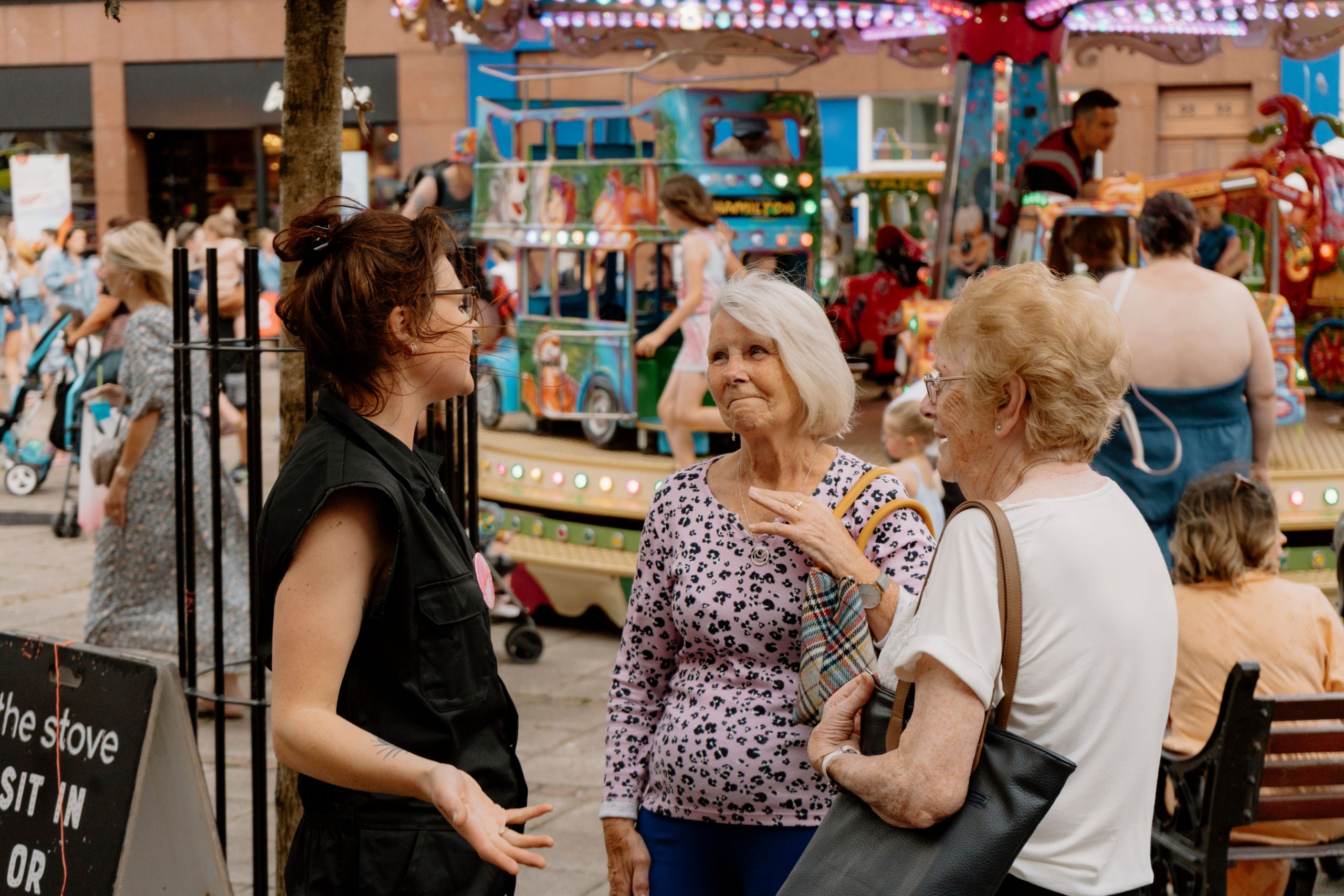
Elsewhere, the work has been less visible but no less vital. Through Off the Margin, we’ve continued to support refugees and people seeking sanctuary to tell their own stories through print, journalism and creative expression. Hear Here, and our partnership with Fair Scotland and work with Dumfries’ Showmen, we’ve helped to highlight and amplify the importance of intangible cultural heritage, celebrating the Rood Fair as living culture and honouring those who have been, and continue to be a cornerstone of our town’s cultural life.
Regionally, What We Do Now keeps growing into something stronger than any single organisation or individual member. Creative Stranraer now stands as its own charity, rooted locally and taking forward great work. This is the ecosystem approach we talk about so often: not one body holding everything, but many, linked by trust, shared learning and strategic partnership.
Which brings us to now and a view to the future.
As the Scottish Government publish their review of Creative Scotland and continue to look at the different ways Culture in Communities is supported, there is a real opportunity on the table. One that Prof Donna Hall gave a rallying call for at Third Sector D&G’s Community conference: we need a radical change in service delivery, a move away from ‘services’ as administrative towards an approach that makes community organisations and actors vital, and funded, Strategic Partners.
The language of joined-up working, regional intelligence, and strategic partnership is growing, but in practice we need bolder steps towards: power shared, trust in networks, measures of success based on those that are empowered rather than those who have been ‘included’.
So, this is a call, gentle but direct, if you are a funder, policymaker, partner, or peer: create shared spaces, come into the room with us and invite us into yours, not only once you know what you are doing, but while you are challenged and unsure. Let’s test new ways of working together.
We are ready, many others are too, we’ve all been practising for years.
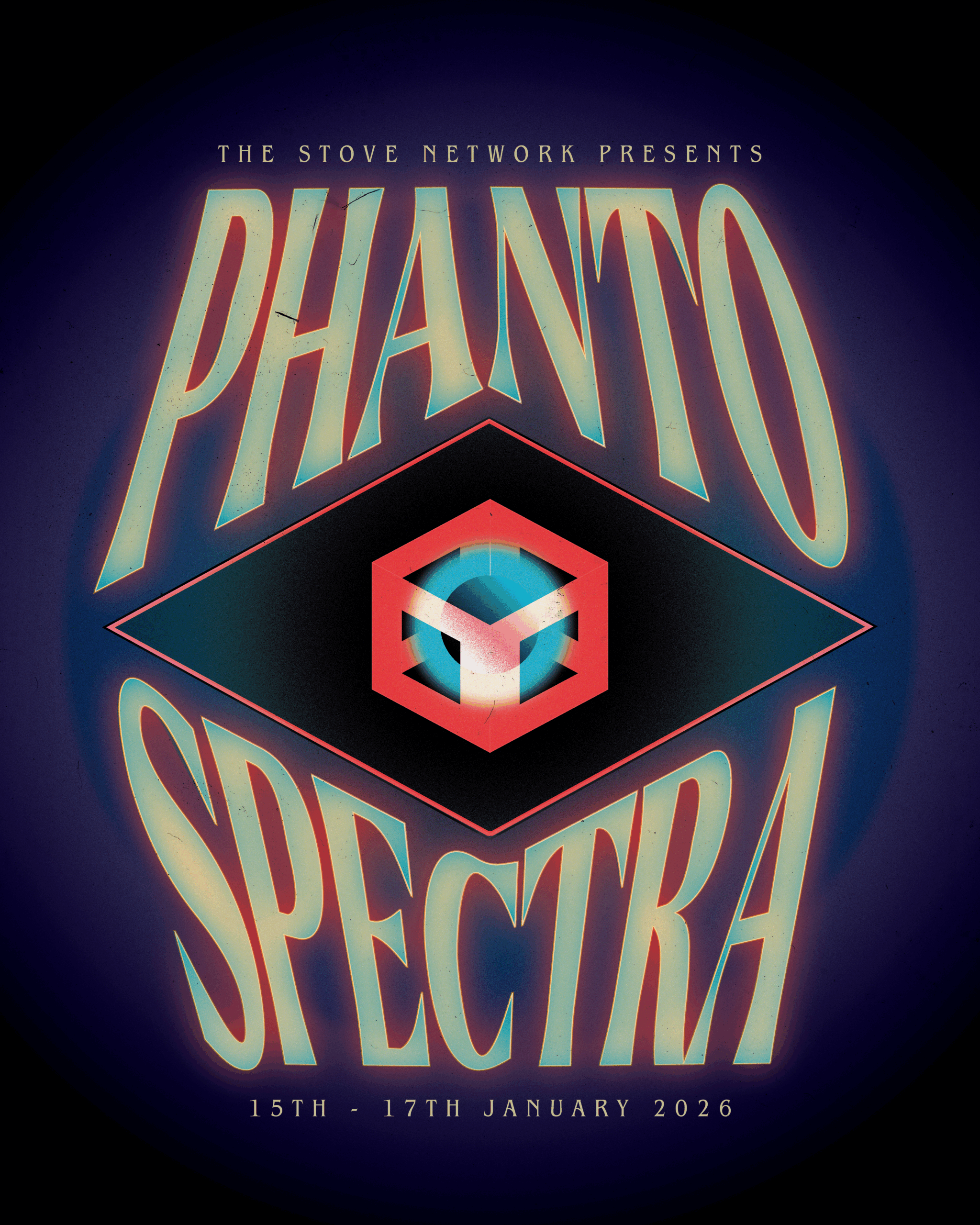
This Midwinter, we invite you to experience something truly special along the Dumfries riverfront. From the 15th – 17th January, The Stove Network will present Phanto Spectra, a free immersive audio-visual journey that brings new light to one of the town’s most fascinating, and often overlooked, cultural histories: the legacy of Scotland’s Travelling Showpeople.
Over the past two years, our team has been working closely with local partners and with members of the Showpeople community, whose traditions of illusion, spectacle and early entertainment run deep through Dumfries. Their influence stretches from historic fairs and ghost-show performances to the beginnings of cinema itself. Phanto Spectra is our way of honouring that heritage while inviting audiences to see the riverside in an entirely new way.
Martin Joseph O’Neill, The Stove Network Artistic Director, shares:
“Phanto Spectra is a bold new direction for The Stove – an experiment in technology but also a continuation of our commitment to honour the stories that shape this place. The Showpeople of Scotland are a lineage, a bloodline back to the earliest forms of immersive entertainment. This project celebrates that legacy while also telling a wider story about our town – its memories, its connections and the generations who have lived alongside the fair and will continue to do so.”
Using original binaural sound design, theatrical light and carefully crafted scenic elements, the experience invites visitors to explore a dreamlike environment where traces of the historic Rood and Spring Fairs subtly re-emerge. The riverbanks become a space where memory, atmosphere and storytelling intertwine, offering a reflective and imaginative encounter with the past.
Developed with local artists and presented as part of our ongoing Hear Here programme, Phanto Spectra also responds to the present moment. As Dumfries continues to transform through major flood defence developments, the work reflects on how the riverfront shapes our collective identity and how it might continue to do so in the future.
Phanto Spectra is free, accessible and open to all, with pre-bookable time slots available.
We look forward to welcoming you to this unique exploration of history, place and creative innovation.
We use cookies to improve your experience on our website, analyse traffic, and personalise content. By using our site, you consent to the use of cookies. Please read our privacy policy for more information.
Cookie Preferences
Manage your cookie preferences below:
Essential cookies enable basic functions and are necessary for the proper function of the website.
Name
Description
Duration
Cookie Preferences
This cookie is used to store the user's cookie consent preferences.
30 days
Statistics cookies collect information anonymously. This information helps us understand how visitors use our website.
Google Analytics is a powerful tool that tracks and analyzes website traffic for informed marketing decisions.
Contains information related to marketing campaigns of the user. These are shared with Google AdWords / Google Ads when the Google Ads and Google Analytics accounts are linked together.
90 days
__utmx
Used to determine whether a user is included in an A / B or Multivariate test.
18 months
_gali
Used by Google Analytics to determine which links on a page are being clicked
30 seconds
_ga_
ID used to identify users
2 years
__utma
Used to distinguish users.
Persistent
__utmb
Used to determine new sessions/visits.
30 minutes
__utmc
Used to determine if the user is in a new session/visit.
Session
__utmt
Used to throttle request rate.
10 minutes
__utmv
Used to store visitor-level custom variable data.
2 years
__utmz
Stores the traffic source or campaign that explains how the user reached your site.
6 months
_ga
Used to distinguish users.
2 years
_gat
Used to throttle request rate.
1 minute
_gid
Used to distinguish users.
24 hours
Clarity is a web analytics service that tracks and reports website traffic.