Support Us
Categories
Opportunities

Artist Commission Opportunity – Open Call

This is a partnership commission with WWT Caerlaverock, and Glengoyne
WWT Caerlaverock, with the support of The Stove Network, wishes to commission an artist(s) to lead a public art project at their site in Dumfries.

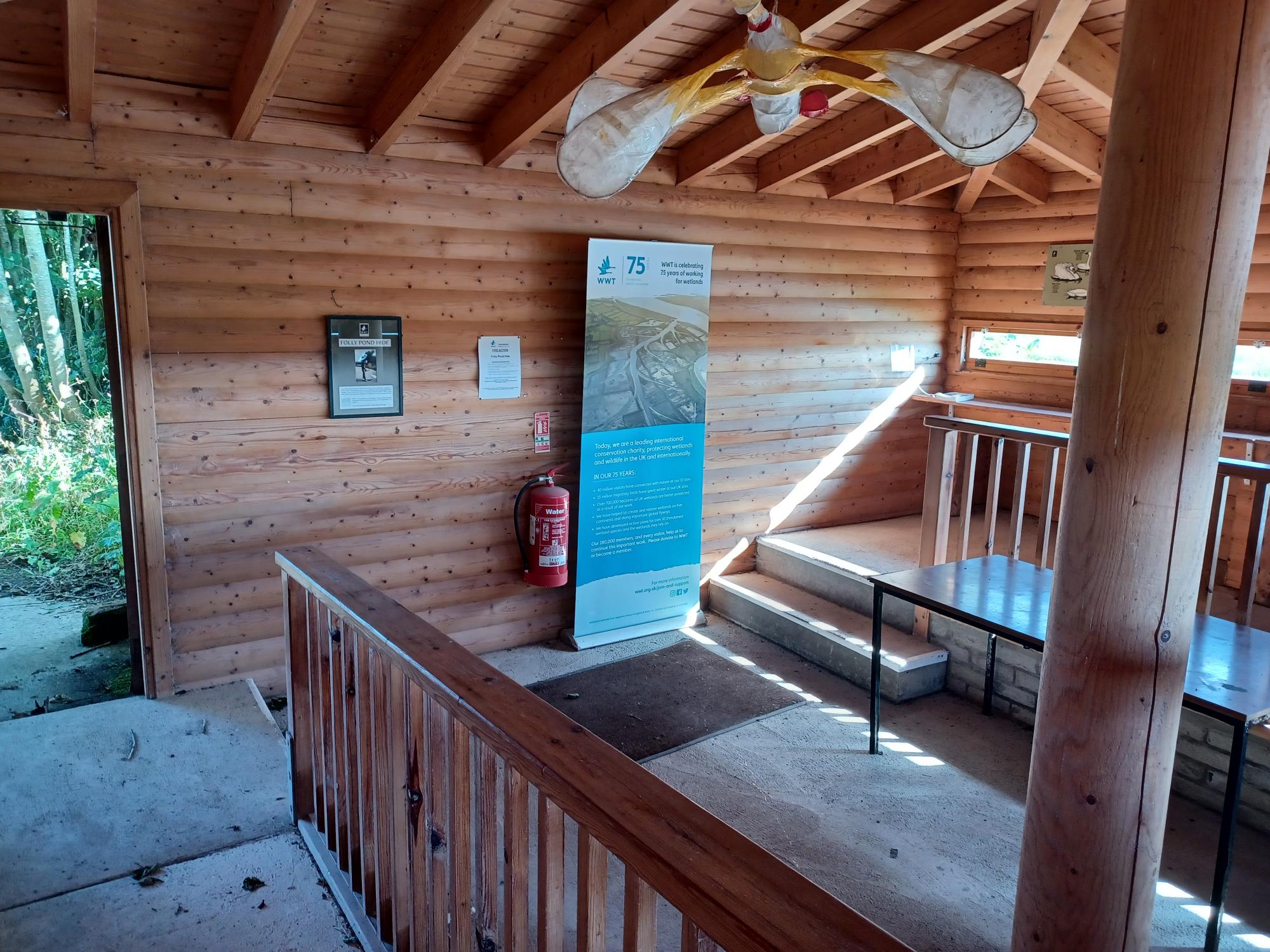
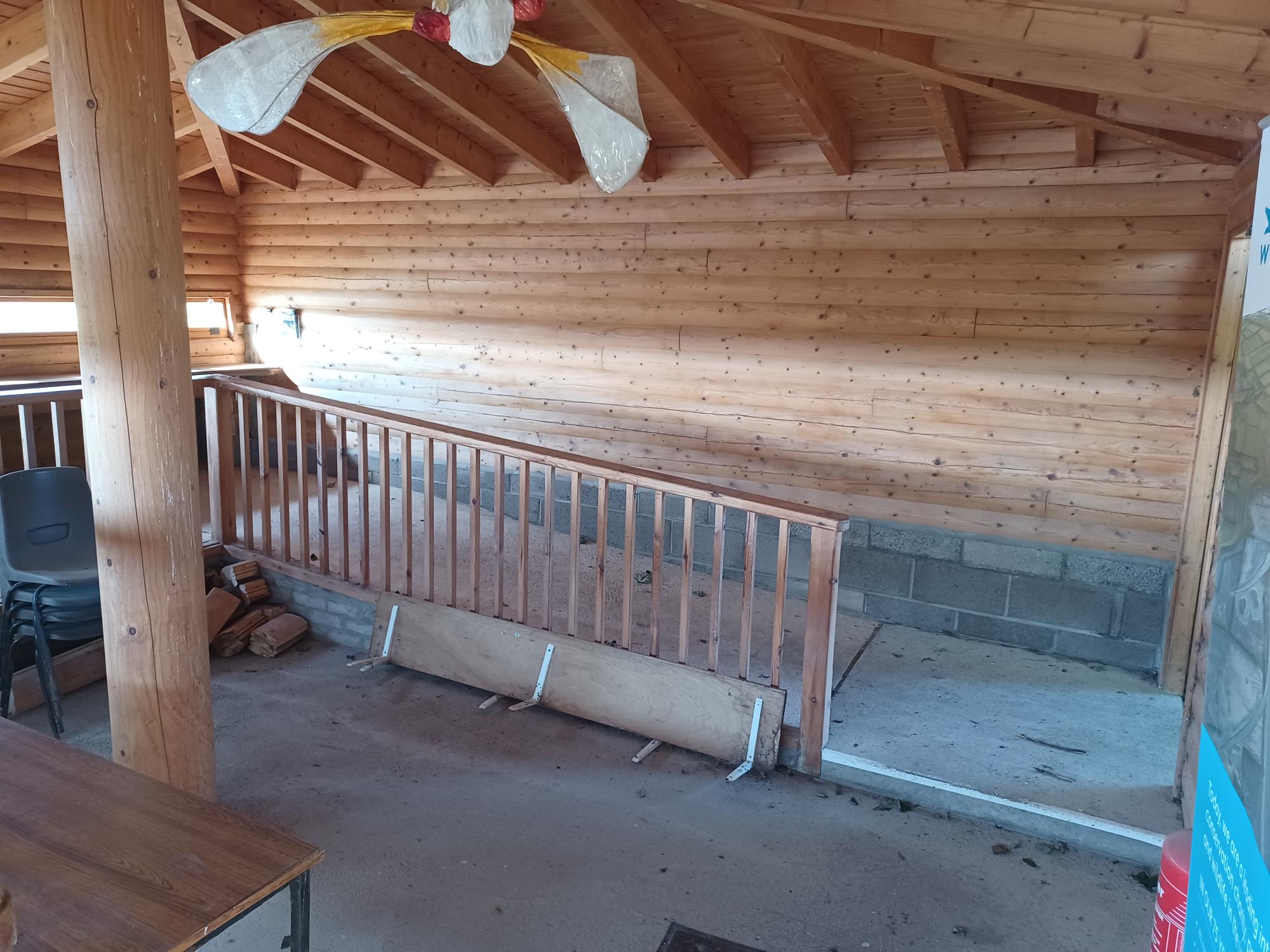
Funded through a partnership with Glengoyne Distillery, the aim of this commission is to bring the partnership to life through a reimagining of the Glengoyne Bird Hide, highlighting shared key themes.

Expected outcomes include a permanent art installation and a series of community / stakeholder engagement activities.

Project Idea

The key theme for the commission is of slowing down and taking time – aligned with both WWT’s aim to encourage visitors to lengthen their stay within the Glengoyne bird hide, allowing the time to settle into the landscape, and with Glengoyne’s theme of the joy of slow.

Additionally, the works should aim to increase a sense of inclusion and welcome to the hide, whilst taking consideration of practical aspects such as durability and weather resistance.

The commission should begin with a period of research and development, the artist(s) spending time with the hides and gaining a thorough understanding of the accessible requirements of the space and it’s user groups.

This can take place both onsite, and off site through engaging specific communities of interest, such as with young people and / or school groups, with support from WWT Caerlaverock, The Stove Network and Glengoyne.

The artist(s) would also be invited to Glengoyne Distillery to see their wetlands and immerse themselves in the Glengoyne story.

From this initial development, the artist(s) should develop a proposal to focus on one of three key areas, to be completed within the scope and budget of the project commission:

  • Visual impact of the space through art installation
  • Alternative seating emphasising comfort and settling in
  • Alternative forms of interpretation within the space

Considerations

The visual art element could take several forms, including options for wall murals or wall mounted displays, free standing elements that occupy the centre of the Hide (currently under-utilised), or hanging from the ceiling.

Seating should consider accessibility and durability but could include bespoke finishes or seating covers, using materials and elements that create a more welcoming environment for spending longer periods of time within the hide. Sensory elements could be considered here, and their impact on the space’s adaptability for a wider range of visitors/space users.

The existing interpretation panels are outdated and could be re-designed or considered for younger audiences or with a more contemporary approach to information and local knowledge sharing.

Budget and Materials

The total budget available for this project is £4,000.

This should include all artist fees, materials VAT (where applicable ) and expenses. On agreement of final proposal with WWT, additional budget may be possible for delivery of final artwork.

Application Process

Please supply the following:

  • An outline of your approach to the project proposal (max. 500 words). If you would like to submit in another format such as video or audio file please get in touch as we are happy to accommodate accessibility requirements.
  • Three examples of your work
  • CV or similar outlining your experience to date

Your entire submission should not exceed 10MB and should be sent to by email to: [email protected] with the heading ‘Glengoyne Hide Art Commission‘.

All submissions will be reviewed by a panel before a shortlisted selection of applications that will be invited to interview. Interviews are expected to take place on 13th-14th May 2024.

Project Timeline

  • Open Call: 11th April – 5th May 2024
  • Application Deadline: 9am, 6th May 2024
  • Selection Process: 7th-15th May 2024
  • Project Start Date: Research and Development: End May 2024
  • Community Engagement Sessions: June/July 2024
  • Agreement with WWT on final artwork proposals: End of July 2024
  • Fabrication and Installation: August – September 2024
  • Project launch/unveiling: October 2024 (coinciding with The Wild Goose Festival)

About WWT Caerlaverock and Glengoyne

WWT are the wetland restoration charity working for wetlands across the UK and the world. By working together with people we unlock the power of wetlands – and help nature burst back to life. Wetlands have the potential to save species from extinction, tackle climate change and improve our lives but we’re losing them at a staggering rate. That is why WWT is on a mission to restore wetlands and unlock their power.

Wetlands teem with biodiversity. They’re part of the natural infrastructure, providing essential protection against climate change, floods, droughts and pollution. They’re also vital for our health and wellbeing.

Wetlands like WWT Caerlaverock are one of the world’s most biodiverse habitats. They provide homes for many endangered species, offer a lifeline for freshwater species and act as vital ‘service stations’ for millions of migratory birds to rest and refuel. Many endemic species are found only in specific wetland areas. About 40% of the world’s plants and animals depend on wetlands.

Set up 50 years ago WWT Caerlaverock is a 1400 acre nature reserve on the north edge of the Solway Firth. It is a special home in the winter for thousands of ducks, swans, geese and waders, and in the summer for dragonflies, moths, spectacular spreads of wildflowers and rare invertebrates.

Longstanding WWT partner, Glengoyne, is the first Scotch whisky distillery to build its own water treatment wetlands on-site. Like WWT, they are leading the way with their focus on slowing down – as Glengoyne is distilled more slowly than any other malt whisky. The Glengoyne bird hide is single room log cabin style bird hide built 25 years ago and sits on the edge of the goose pastures of the Eastpark farm part of the nature reserve. The name ‘Glengoyne’ is derived from ‘Glen Guin’ or ‘valley of the geese’, which works wonderfully as a namesake for the hide. It can be a good place to see the Caerlaverock speciality, flocks of barnacle geese, but WWT are working to bring more nature all year round closer to the hide and make it an even more rewarding nature-watching experience.  

Categories
Musings News Project Updates

Anne Waggot Knott in conversation with community artist, Maya Rose Edwards

Written by Anne Waggot Knott

In preparation for ‘Raise the Sails’, a community festival celebrating a new vision for Stranraer’s harbour area and marking the culmination of public art project, ‘Harbour’ by artist Maya Rose Edwards, I asked Maya to share some of their reflections on the project so far. 

Maya, you’ve embedded yourself so joyously and emphatically in the town. Talk to me about Stranraer’s incredible community.

Where do I start? They’re marvellous. They stick together in a very fundamental, tangible way, a result of living somewhere on the edge of things. But despite the wonderful togetherness I’ve also found pockets of futility – people have big ideas and are very impassioned, but there’s a shared sense of being on the wrong side of history. 

The younger generation faces real challenges and lack of opportunity. But, encouragingly, they have a vision of what the place could be, not blighted by what it was or hasn’t been. They’ve got an energy about them which is really exciting. Allowing space for young, positive voices is essential for community regeneration. 

Stranraer is a hub for a lot of surrounding villages. There’s a distinct rurality and sometimes a certain disconnection with the rest of Dumfries and Galloway. But this also generates pride and determination: “Stranraer is brilliant and we’ll make sure you know that, and if you don’t accept it we’ll keep it for ourselves.” Fine, and fair enough!

There are pockets of potential change; people with great ideas, inspiration, a lot of fight. People that show up, show an interest, are hardworking and inquisitive. The Urban Collective, the Men’s Shed, Stevie at the fishing shop, Vivienne at the Community Re-Use Shop, young people from the college. There are so many more… I feel like I’ve developed real, reciprocal relationships in the town, proper friendships. 

One thing that strikes me is that there are lots of people and organisations developing plans for the future, but they need to talk to each other. Hopefully I’ve started helping them make those connections. 

Your project brims with connectivity but also has a basis in activism and disruption. How can this light the touchpaper for change?

For a community with a historical legacy of being let down again and again, there’s only so much fight that they can conjure from within themselves. For me, the ability to make a mark in this respect was so important. 

The idea of occupying space, either with an artwork or your body, can generate change. Parts of Stranraer have suffered from the management of decline, but it’s happening so slowly that the locals sometimes miss it. Creating unexpected things to look at, things that catch your eye or that you can interact with, generates a strong shift in people. It’s my job to equip people with the tools to do that themselves, help them see that standing up for a change they want to see is always an option.

There’s something about being an outsider that makes this possible. Sometimes you need someone with a fresh perspective to come and say, how about we try this?

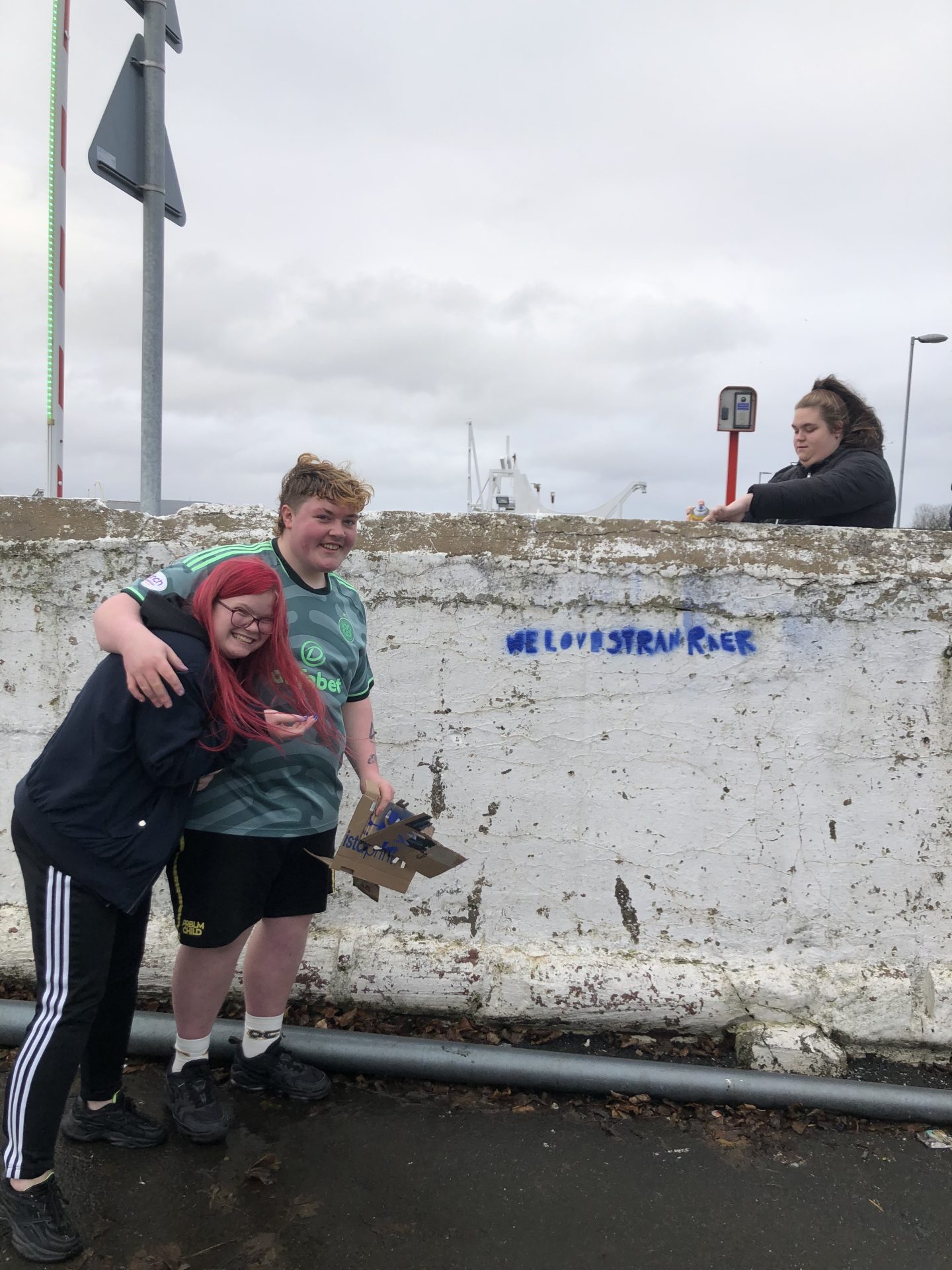
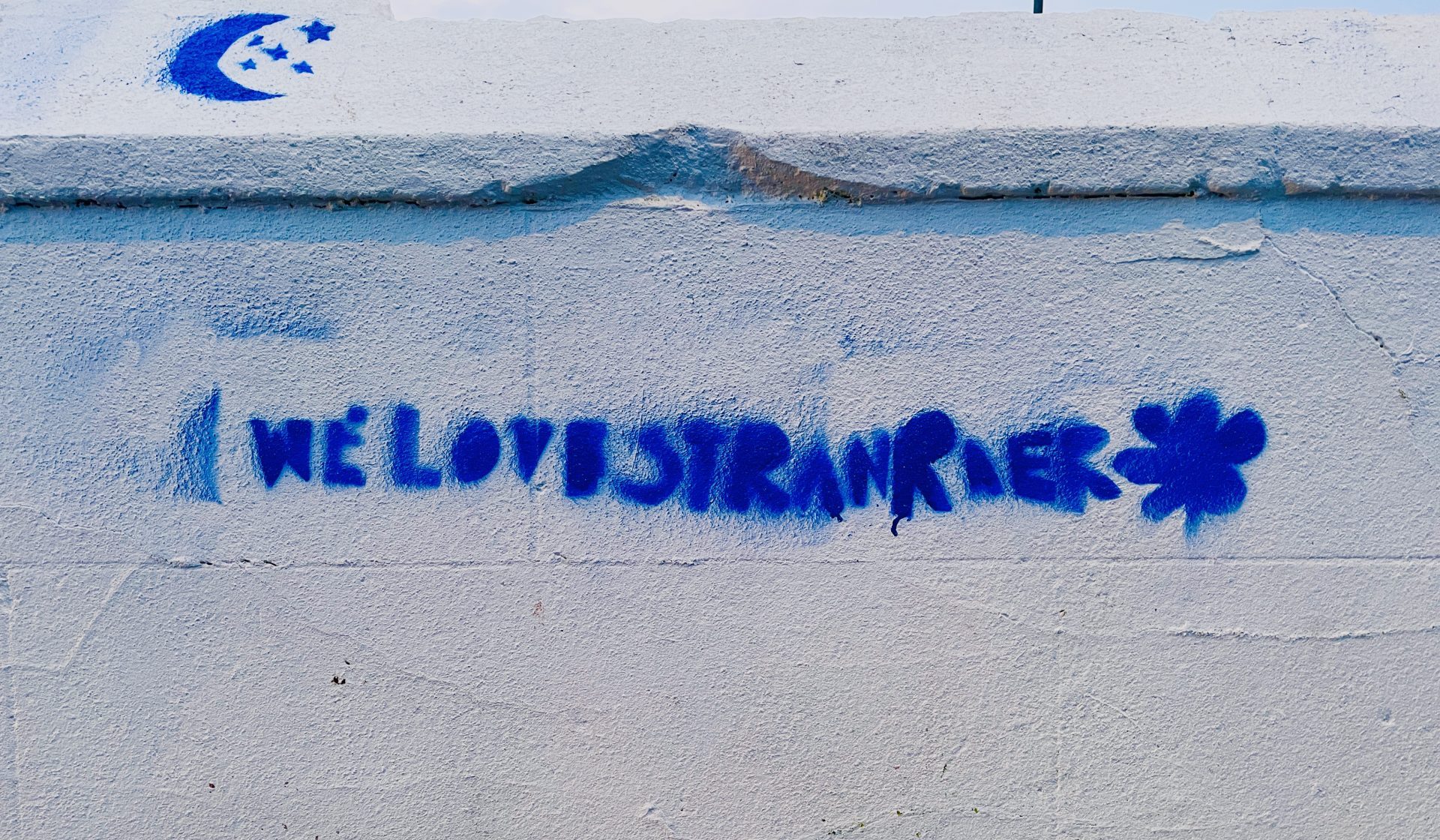
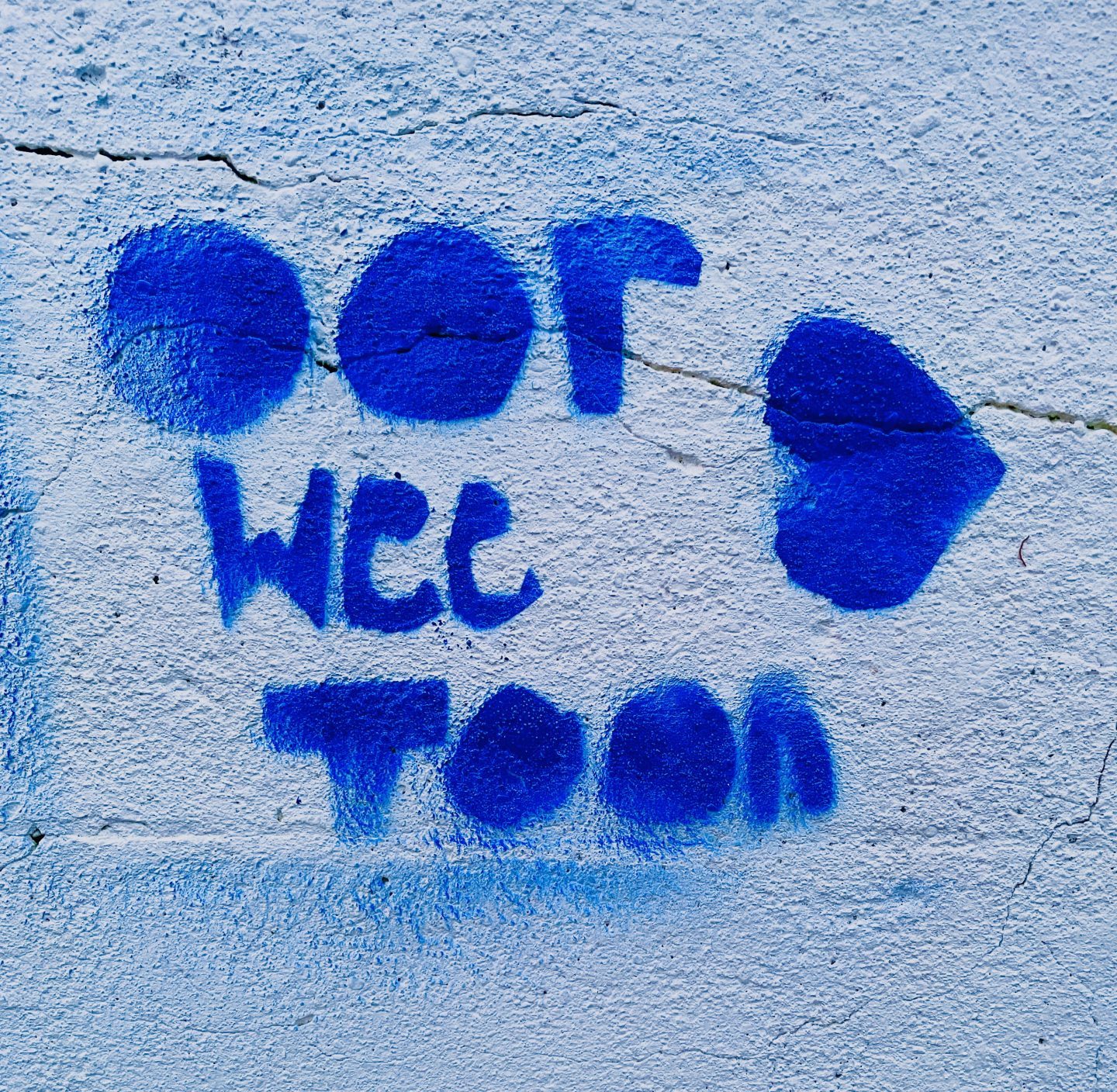
One of the biggest markers was when we spraypainted the Harbour wall mural. It kicked up some fuss, but it turned a dial. It generated conversation, which generated understanding, then finally an expectation about what’s coming next. It could have failed, but it didn’t. Tiptoeing around wasn’t going to work. I had to set an example that risky moves are ok. 

Risk is an important tool. When a community doesn’t feel in control there’s a sense of disempowerment. By choosing a risky action you choose the level of control for yourself rather than having it put upon you. It’s also a great way to get a big response from a lot of people and get the conversations started.

What are your project highlights?

The high points are unquestionably about bringing people together.  

The graffiti with the college kids, one of the very first things we did together. Their sense of pride was evident, marking a real moment of arrival. Similarly, we’ll be marking my departure with the festival in April. 

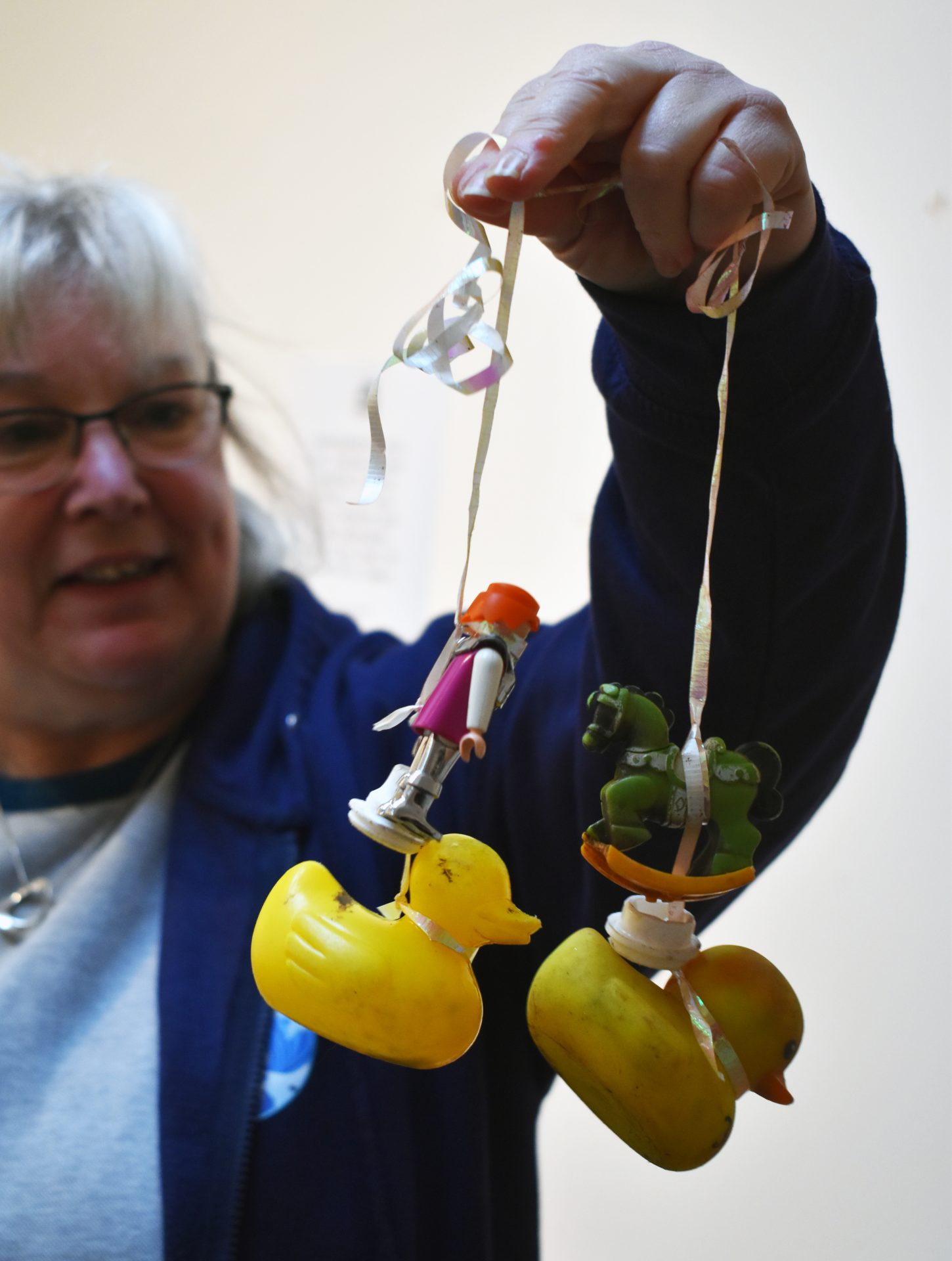
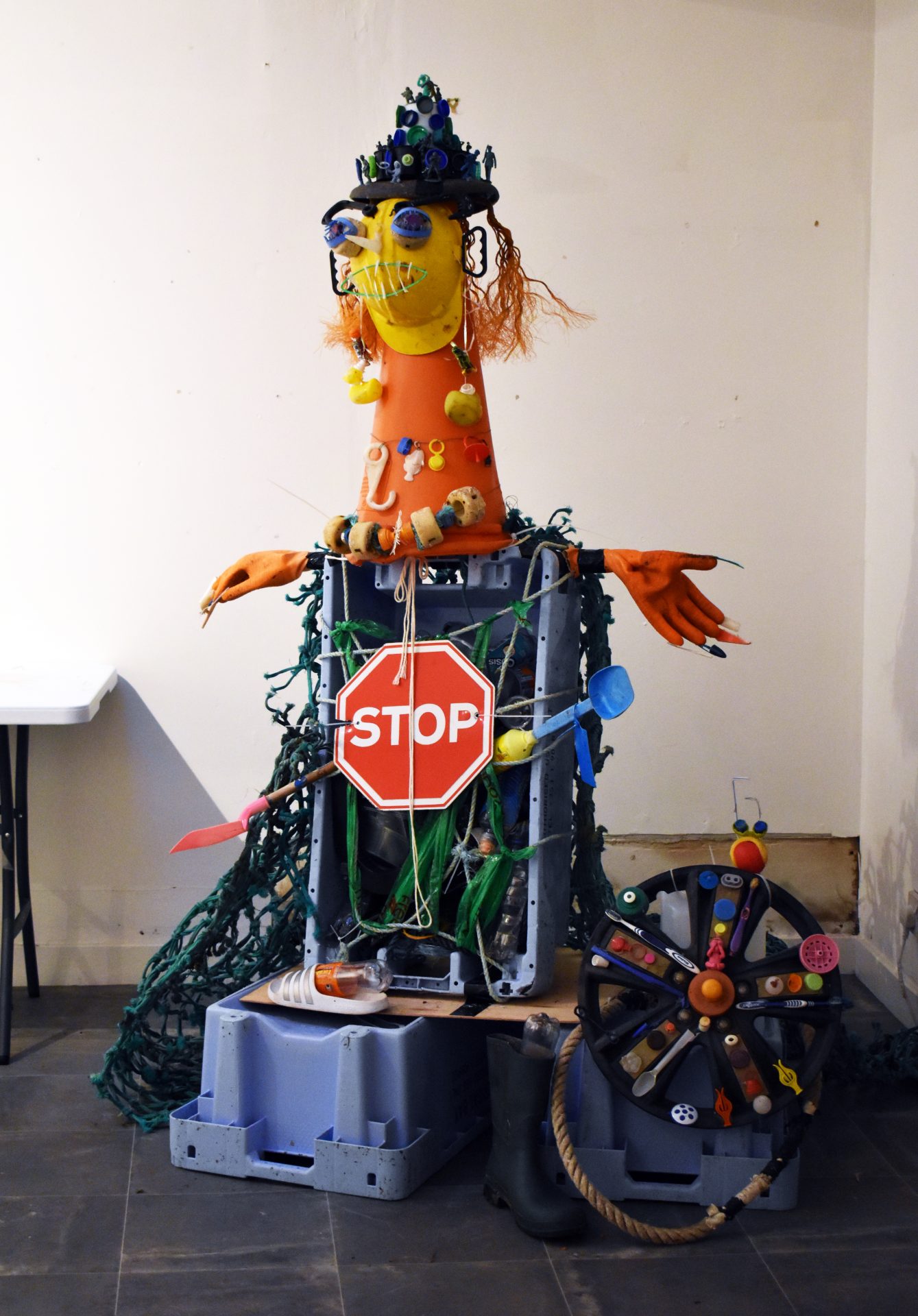
The Sea Witch sculpture day was great. Everyone brought different perspectives but a common purpose, which then flowed outwards into the community. Looking through the beachcombed objects was important in a cross-generational way – older people had memories about the pottery and plastic soldiers, young people recognised the vapes as part of their own history. The sea collects and spits out these stories, mixed and matched and collaged together – everyone’s past, present and future is there. Creating a character from those lost objects was a beautiful thing to see.

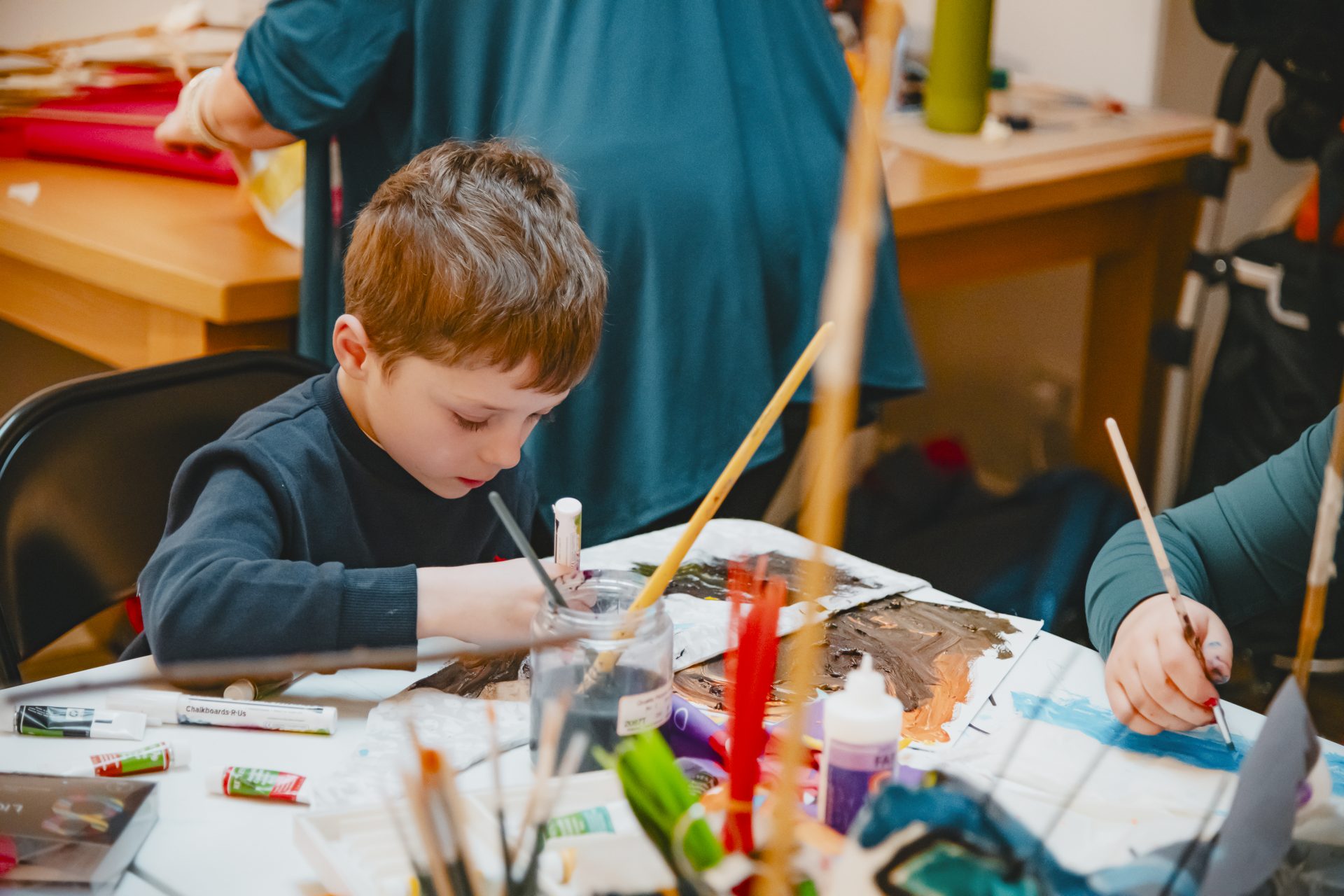
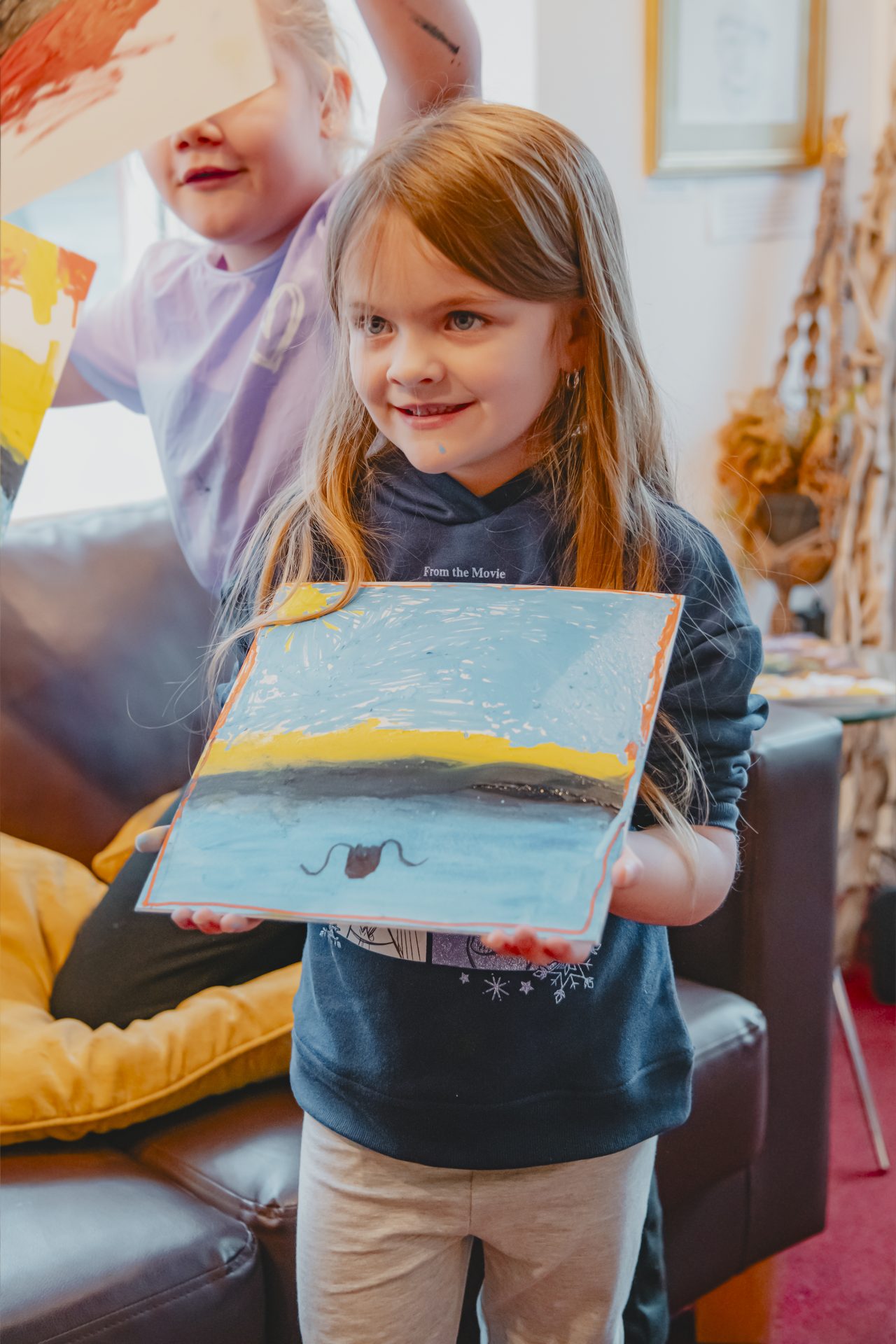
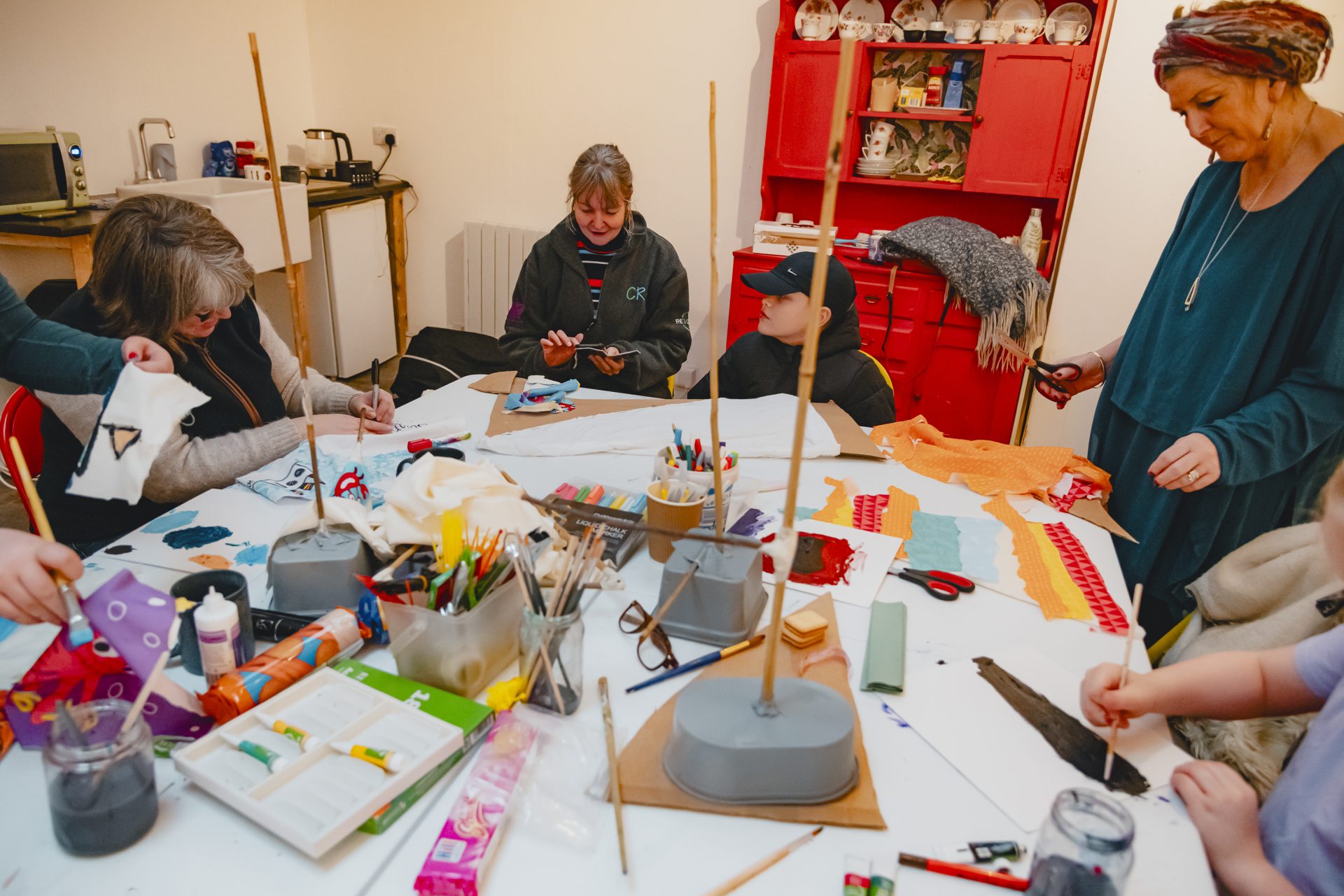
Making sails at The Hub was fabulous fun! We had people of all ages helping each other out. Kids that wouldn’t normally be in a room together. Older women who said art drop-ins should be prescribed on the NHS, that it’s like therapy. Tiny, naughty tots just running around painting themselves. We had a blast.

None of the above means anything without quiet moments though. Someone brings you a cuppa. The hello-in-Tesco moments. The guy in the chippie asking how the project is going. Like having a baker or a teacher, every town should have a community artist. Creativity has a huge impact on people and places. 

What have been your biggest challenges?

There have been just as many challenges as highlights! In simple terms, sometimes you just want to shake people who think change is impossible. That sense of futility being so ingrained, to the extent that it influences others too. Trying to unpick it has been a real challenge. But I also have a lot of respect and understanding for it.

At the very least, what seeds can I sow? I’m planting seeds in the middle of that knot of futility. But it’s a massive responsibility and has to be undertaken really carefully.

It’s also been hard to bring to attention things that people firmly don’t want to look at. That brings vulnerabilities. You can see these things very, very brightly when you come from elsewhere but dealing with them sensitively is often difficult. 

I see you working with other people’s vulnerabilities but in order to do that you need to make yourself vulnerable as an artist too, don’t you? It’s reciprocal.

Yes. You’ve got to expose bits of yourself too, so it’s an exchange. That’s how I’ve built trust and relationships. I really enjoy it and it’s integral to my practice. 

Stranraer is a community partly built on migration which is an interesting dynamic to work with. You have the embedded generational impacts over time and then you have people who come here and see it with fresh eyes as a great place to live. Once those people have a conversation with each other, possibilities emerge.  

The way the waterfront is cut off from the town by the road is a huge problem. You can’t just wander down to the waterfront, you have to actively cross several lanes of traffic. Those historical planning decisions have massive impacts when considering public spaces. 

Interestingly, not everybody sees themselves as a community of the sea; there’s also a challenge in the disconnect between the people who use the water and the people who use the land. Sometimes they don’t realise that they’re each other’s greatest asset and many of them want the same things. It’s like a glass wall, and nobody wants to be the one to make the first move. So there have been occasions when it’s my job to make the first move on behalf of everybody and nobody.

That’s interesting, can you expand on that a bit more?

For people originally from Stranraer, the water is a historically dangerous place due to sea waves from the ferries. It wasn’t always about having a good time and mucking about on the beach, it was a place of industry. Seeing people using it in a leisurely way, when first and foremost it’s a place for work, that grates. So there’s almost a moral judgement: you have the luxury of time to play around, but we need the water to make a living. I’ve come to understand that it can generate a bit of friction. 

There’s something exciting about the waterfront as common ground though, as the physical place for people to come together, because of its status in between. At the minute, aside from the working harbour, parts of it feel unexciting and inhospitable. People say, why would I want to occupy that middle ground, there’s nothing there? We need to change not only what we put in that space, but what it means to people and how it can reflect them. 

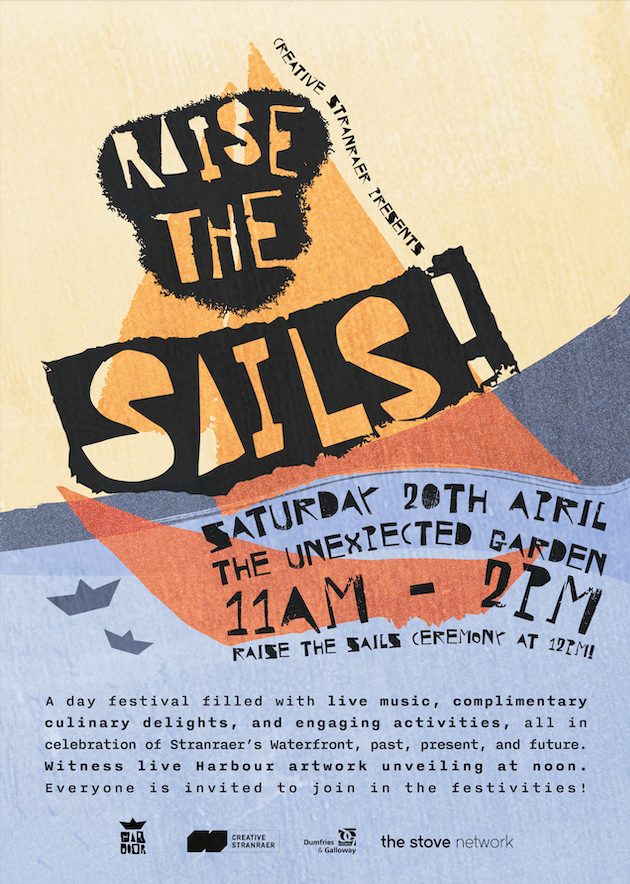
Let’s talk about Raise the Sails, the harbour festival on 20th April, the project finale.

It’s a free, daytime festival with food, live music and exciting activities for all ages, held at the Unexpected Garden on Saturday 20th April, 11am-2pm. There’s a very special event at 12 noon, so come down early!

I have a lot of hope for this, bringing people together. Stranraer has a long history of festivals – it’s a language the community speaks. It’ll be creatively out of the ordinary but really enjoyable, something people will remember. This is my final chance to plant a seed in those knots, and reach people I’ve missed. 

Food, music, activities for kids – we’re listening to the necessities then adding so much more. I’m hoping the legacy continues to unfold quite slowly over the coming months. That those seeds start to grow.

And finally, why should folk join us at Raise the Sails? 

For the sake of sheer nosiness, just pop down – you’re going to get a free meal! Be open to something you might not expect. It’s an opportunity to come together. And anyway, what else are you doing on a Saturday morning?!

See you there. Bring your hopes, dreams, friends, and family. We can raise the sails together. 

‘Raise The Sails’

A special community festival taking place in the Unexpected Garden, Stranraer

Saturday 20 April 

11am – 2pm

Categories
Musings News

How Creativity & Culture Can Support Communities

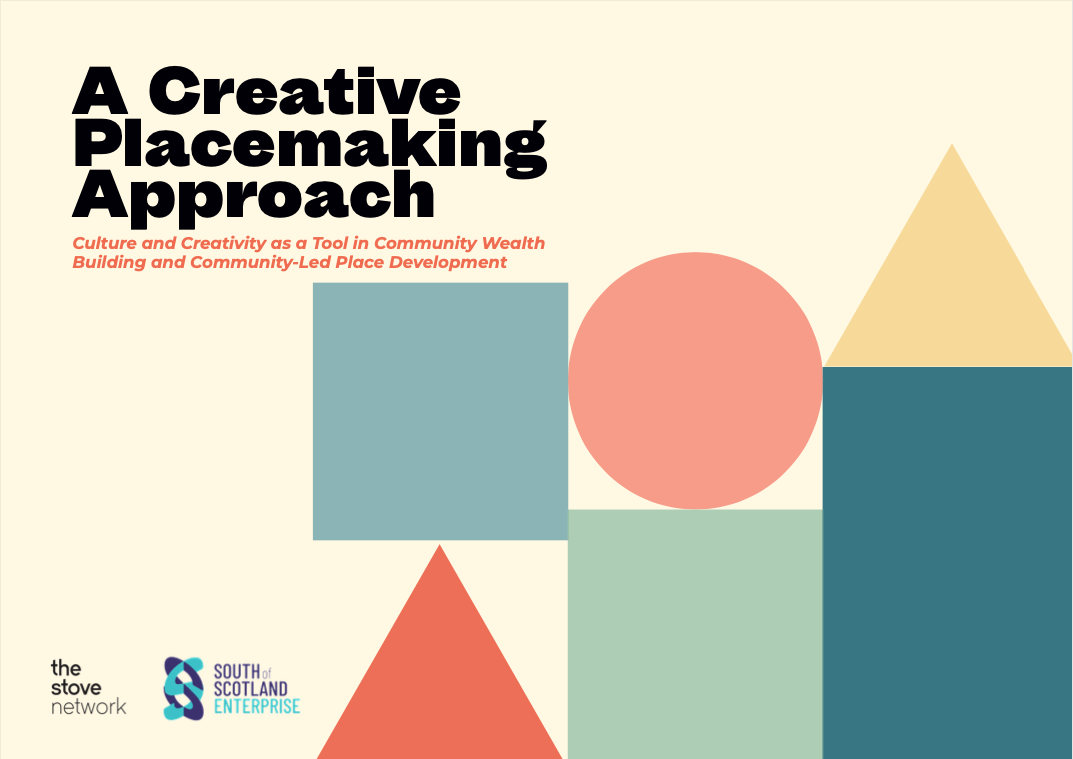
A Creative Placemaking Approach

The Stove Network, with support from South of Scotland Enterprise (SOSE), publish an important, new approach to Community Wealth Building and Community-Led Place Development.

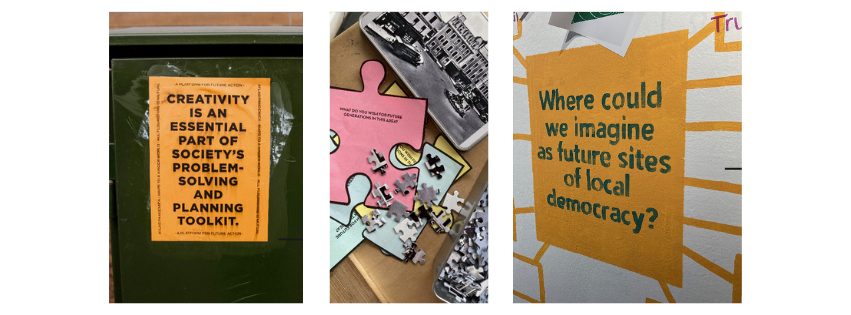
The publication, entitled, ‘A Creative Placemaking Approach’ presents a methodology identifying how creativity and culture can work collaboratively with communities and support cross-sector working, addressing civic, economic, and development needs locally with communities.

This publication aims to support a vision of place and community where: creativity is used to develop a resilient and fair, future society, built on community wealth building principles, innovation, and long-term thinking.

The publication is the culmination of over 10 years of rural-based practice in the South of Scotland alongside wider research and consultation already carried out by The Stove Network, including Scotland’s first Creative Placemaking Forum, ‘kNOw One Place’ hosted in Dumfries in 2022.

For a long time, we have seen first-hand the gap between national policies in areas such as community empowerment, wellbeing economies, sustainable tourism, place-based planning, and what it takes to really make these work for local communities. New approaches are needed that enable local communities to come together to work through ideas, think differently, address challenges and come up with their own solutions whilst at the same time building the capacity to take this forward for themselves. Significantly this is a place-based approach that is enabled, and not led by, the multiple agencies, organisations and service providers that have a stake in a place.

Katharine Wheeler of The Stove Network and Director of WWDN (Creative Placemaking Network)

Placemaking traditionally refers to the concept of developing successful spaces for communities and encouraging connection and creativity for the common good.  Creative placemaking is a cultural and arts led approach to placemaking that uses creativity as a support structure for communities to take a leading role in the development of their places.

We believe this Creative Placemaking approach is hugely important in supporting change for communities in the South of Scotland and beyond. With unique villages and towns this approach can help unlock opportunities and potential to build stronger and sustainable communities. SOSE fully supports the approach outlined in this paper, it aligns with our values of bold and inclusive, while empowering our communities using creatives to translate ideas and thoughts for a meaningful community wealth building approach.”

Jane Morrison-Ross, Chief Executive of South of Scotland Enterprise

Creative placemaking is particularly effective at developing community engagement, amplifying less heard voices, and supporting the development of community capacity and partnerships to effect real change.

“What we have seen through creative placemaking projects is a range of impacts for communities from major physical regeneration projects, such as Midsteeple Quarter in Dumfries, to life and career progression for individuals in communities – new skills, confidence, increased social networks etc. The key connecting factor has been the effectiveness of creative placemaking initiatives as open and inclusive ’spaces’ which give less-heard sections of community new agency within local decision-making processes and new empowerment for themselves to be part of making the change they wish to see.”

Matt Baker, CEO of The Stove Network
Read or download the published paper here
Categories
Musings News

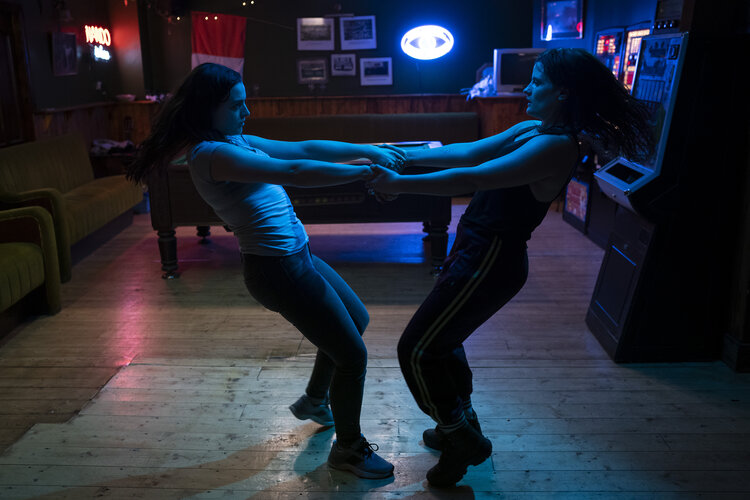
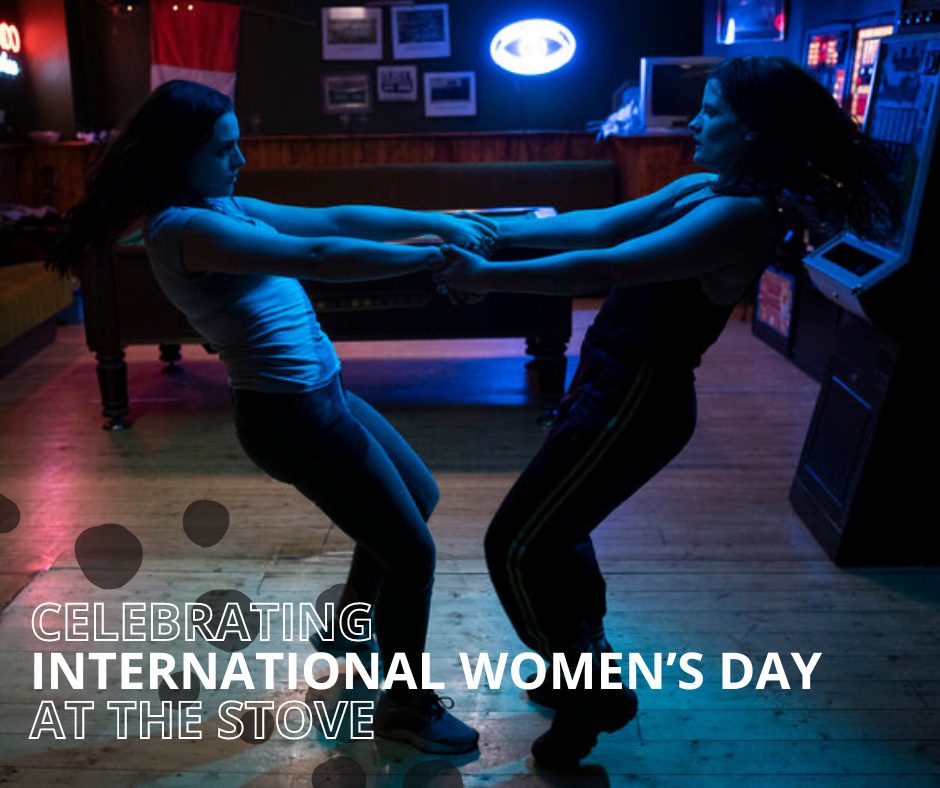
Celebrate International Women’s Day with the Stove

This March, join us at the Stove as we celebrate International Women’s Day 2024 with programmed events by, for and to celebrate women!

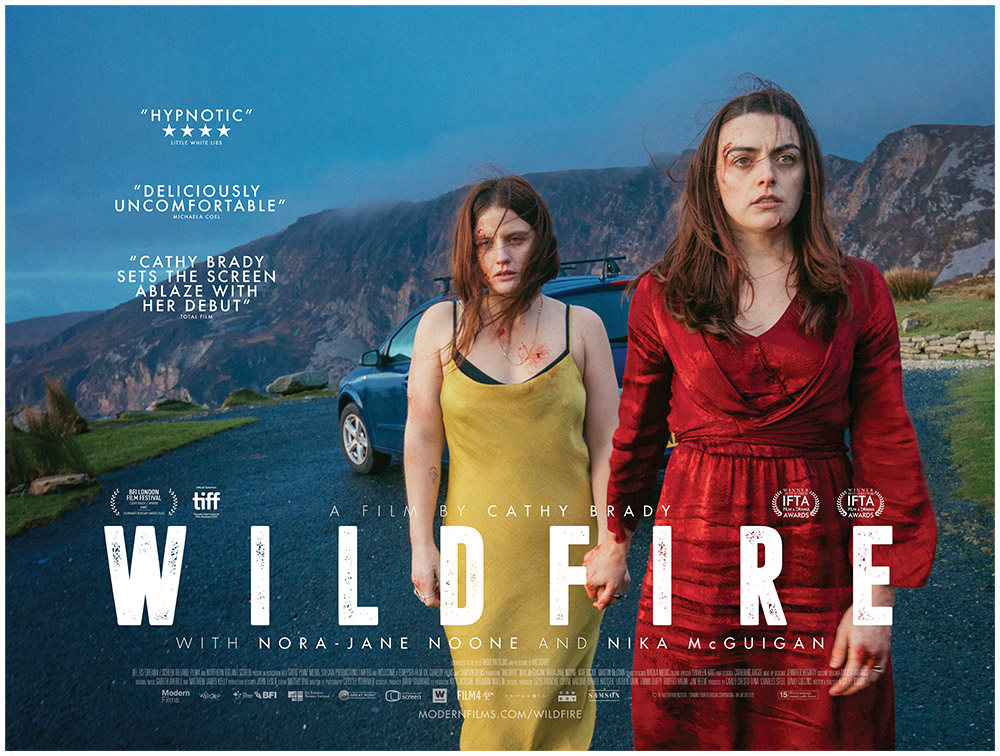
On the first of March we are kicking off our short series of #IWD events with a screening of Wildfire; part of our Reel to Real programme.

Reel to Real: Wildfire (March 24th):

This powerful film explores the complex bond of sisters Lauren and Kelly, navigating loss, trauma, and community secrets set on the Irish border.

The film is triple F rated in that it is written and directed by women and features significant women on screen; and in this case all three by writer/director Cathy Brady.

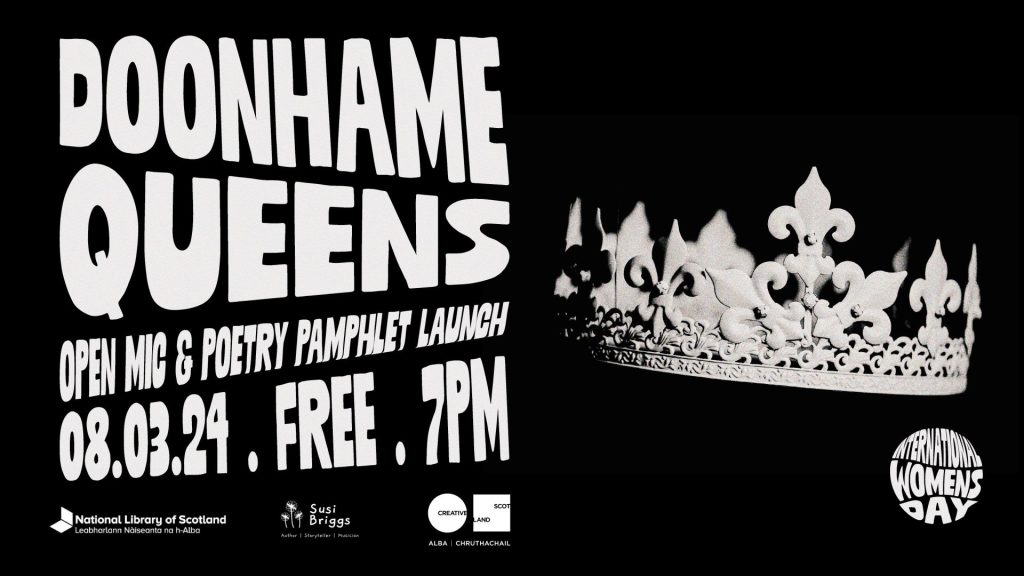
Doonhame Queens: Open Mic Poetry & Pamphlet Launch (March 8th):

On March 8th (this year’s official #IWD!), join us for an evening of powerful words and heartfelt expression at Doonhame Queens.

We will be celebrating the launch of ‘Mucky Pup’, a pamphlet of poetry by Elieen H Irvine. Edited and put forward by Susi Briggs, the Galloway Scots Scriever of the National Library of Scotland.

Doonhame Queens will also feature an open mic. Whether you’re a seasoned poet or just starting out, come share your work in a supportive and encouraging atmosphere.

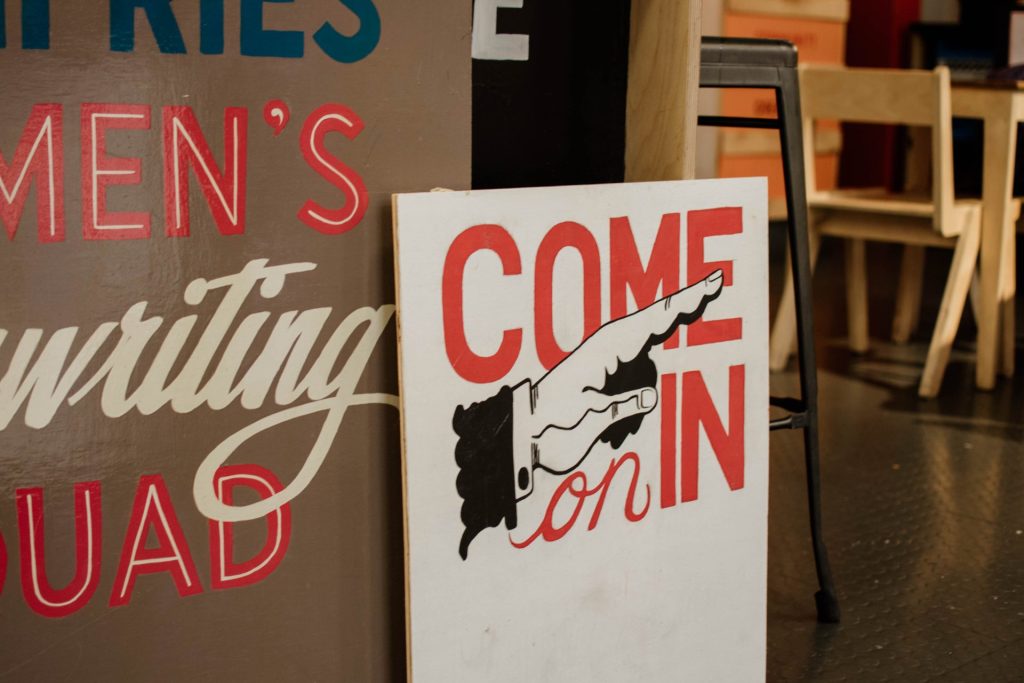
Dumfries Women’s Signwriting Squad: Monthly Meet-Up (March 9th):

Our final event in our #IWD mini-series is our March edition of Dumfries Women’s Signwriting squad. This monthly meet-up is a space for women of all ages and backgrounds to learn and practice sign writing. It’s a fun and interactive way to develop a new skill, meet new people, and build a supportive community. No prior experience is necessary, so come with an open mind and a willingness to learn!

So, mark your calendars! International Women’s Day is just around the corner, and we can’t wait to welcome you to the Stove. What stories will be shared? What voices will be heard? Let’s connect, empower, and raise awareness for gender equality.

Categories
News Opportunities Project Updates

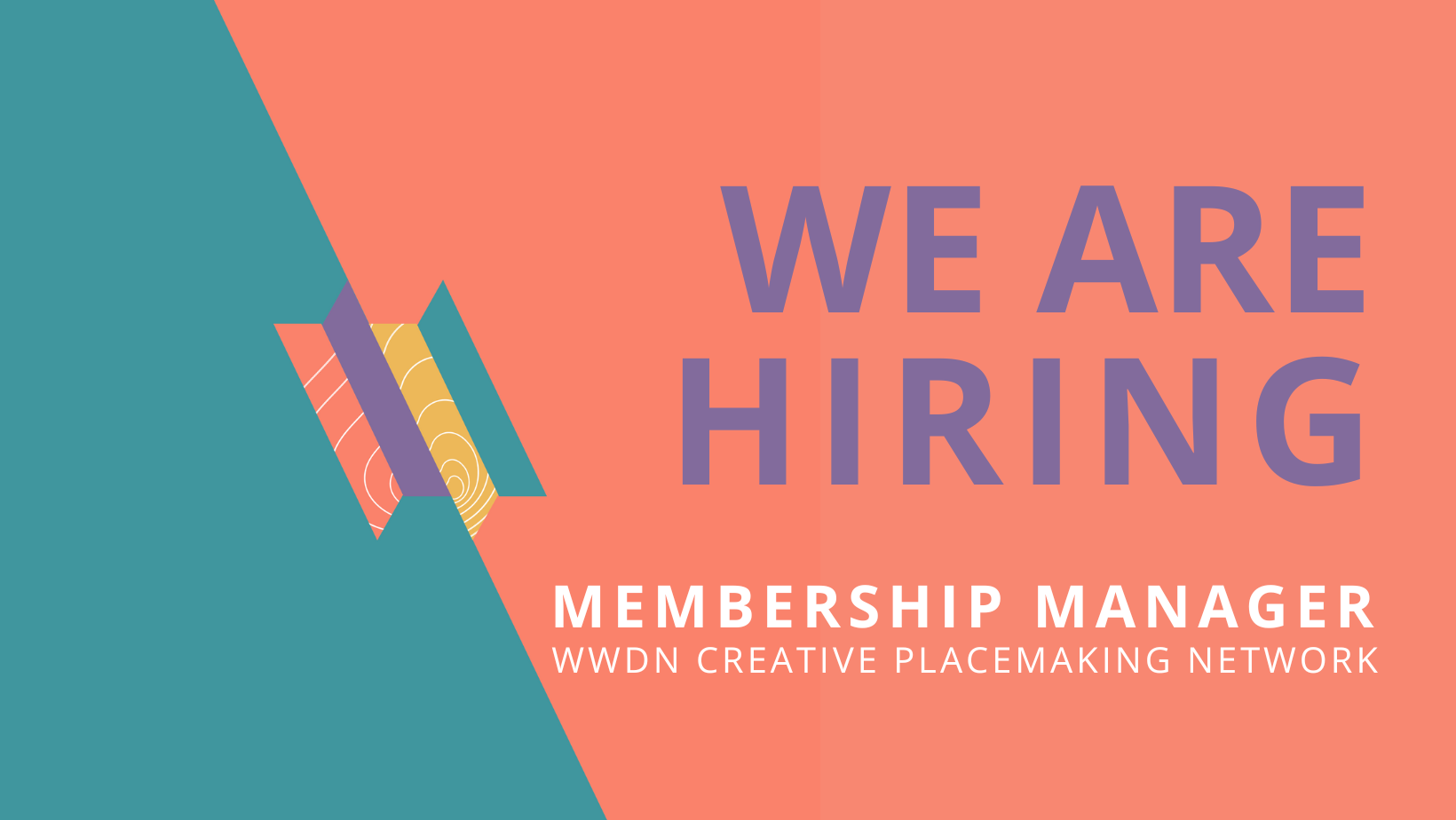
Join Our Team – Membership Manager for What We Do Now (WWDN)

(This opportunity is now closed)

#We are hiring!

WWDN is a Stove led project focusing on the development of a creative placemaking network for Dumfries & Galloway and is actively recruiting for the exciting NEW ROLE of Membership Manager.

Due to feedback and review, this position has been re-framed to align more closely with the projected needs of the WWND membership.

This position is open to both those with less experience who are looking to learn as part of the job or to those who bring a greater level of experience to the role.

Salary rates may be negotiated within the given salary bracket as part of the process and will be reviewed as part of The Stove’s support and supervision process within the team.

If you are interested, please do reach out.

About the Role

The Role: WWDN Membership Manager

Duration: 18 months fixed-term contract (with review after 3 months)

Hours: 21 hours per week (3-days)

Salary: £24 000 – £26 000 (pro rata) depending on experience

Location: Dumfries & Galloway

Reporting to: WWDN Director

Start Date: 6th May (or as close to this date as able)

Key Responsibilities:

The Membership Manager will be responsible for all aspects of WWDN membership working closely with the WWDN Director to grow and support the network as it develops. This will include talking to and developing relationships with potential members, processing of new and renewal memberships, maintaining databases, and communicating with members.

We are looking for someone who is an excellent communicator and wants to be part of a new team.

Regular internal contact and collaboration will take place with other members of the team, as membership will be central to the functions of the WWDN network.

Training and support will be provided as part of the role.

Download the full job pack for further details:

Main Tasks and Activities:

Membership Management:

  • Lead on membership recruitment, retention, and renewals, and liaison activity across all membership categories (practitioners, groups, organisations)
  • Develop and maintain effective membership processes, sign-up, review, and enquiry, working with colleagues across WWDN to champion high levels of service
  • Ensure membership admin systems are effectively maintained with support from the Web and Data Manager
  • Ensure membership data, trends and statistics are captured and reported in a way that informs WWDN strategic, operational, and financial planning

Communications / Relationship Building:

  • Work with the Communications and Marketing Director to devise and implement effective membership engagement campaigns
  • Monitor and evaluate the effectiveness of all membership marketing activity
  • Utilise a suite of communication assets including digital platforms: Newsletters, website, and social media channels – working closely with the Marketing Officer
  • Attend WWDN events and activities to promote membership recruitment and to build strong working relationships with existing members and key partners

Other duties:

  • Be first point of contact for WWDN service enquiries and direct to relevant members of the team
  • Support the WWDN team to develop, implement, and measure the impact of membership to meet strategic objectives
  • Feed into and support the development of systems and processes to support the continuous improvement of WWDN’s membership provision

This job description is not exhaustive, and the post holder may be asked to take on additional responsibilities not included herein.

Who We’re Looking For:

Person Specification:

  • Highly motivated and ambitious
  • Excellent communications and interpersonal skills
  • Excellent organisational and administrative skills
  • An interest in the mission and aspirations of Creative Placemaking and the desire to work collaboratively in a small team
  • The ability to tailor and adapt communications to specific audiences

Experience:

  • A good level of IT literacy including the use of databases and websites (preferably Mailchimp / WordPress, but training will be provided)
  • Experience in working with customers in customer service / sales environment
  • Knowledge of UK-GDPR and other legislation concerning membership is desirable but not essential as appropriate training will be provided
  • An understanding of the third sector organisations is desirable but not essential

How to Apply:

We encourage you to apply in a way that you feel most comfortable.

You can send us your CV and a short covering letter, or video, to [email protected], explaining why you’re interested and what you could bring to the role.

Application Deadline is 9am in Monday 15th April

Interviews are likely to take place week commencing 22nd April 2024.

It’s important that our people reflect and represent the diversity of the communities and audiences we serve. We welcome and value difference, so when we say we’re for everyone, we want everyone to be welcome in our teams too. Wherever you’re from, and whatever your background, we want to hear from you.

We will accept applications from anyone and everyone who feels they have the skills required to fulfil this role. Sound like the right job for you? Get in touch, we’d love to hear from you.

We will accept applications from anyone and everyone who feels they have the skills required to fulfil this role. Sound like the right job for you? Get in touch, we’d love to hear from you.

Categories
Musings

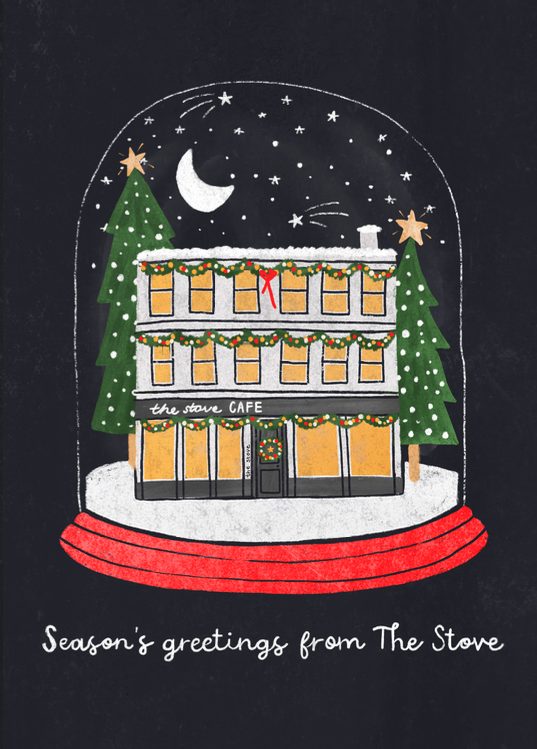
Festive Wishes from The Team

Illustrated by Jamie Stryker

As we get closer to the end of 2023, we want to say a big ‘thank you’ to all of you, our customers, communities, friends, advocates, and colleagues for the support and dedication you’ve given us over the last 12 months.

Thanks to your support and that of our funders, partners and dedicated team, The Stove has been able to support people, both locally and across the region, to work in the creative sector, participate in creative activity and develop new community-led initiatives and enterprises.

You lot are awesome!

We want to wish everyone a wonderful holiday, however you choose to spend it, and all the very best for 2024 – We look forward to welcoming you back to The Stove in the New Year.

The Stove Office and Stove Cafe will closed from 3pm Friday 22nd Dec, and reopen on Tuesday 9th January at 9am.

From all at The Stove, we wish you a happy festive season.