Support Us
Categories
Musings News Project Updates

WRITE!

The Open Hoose project that lets your imagination guide your hand.

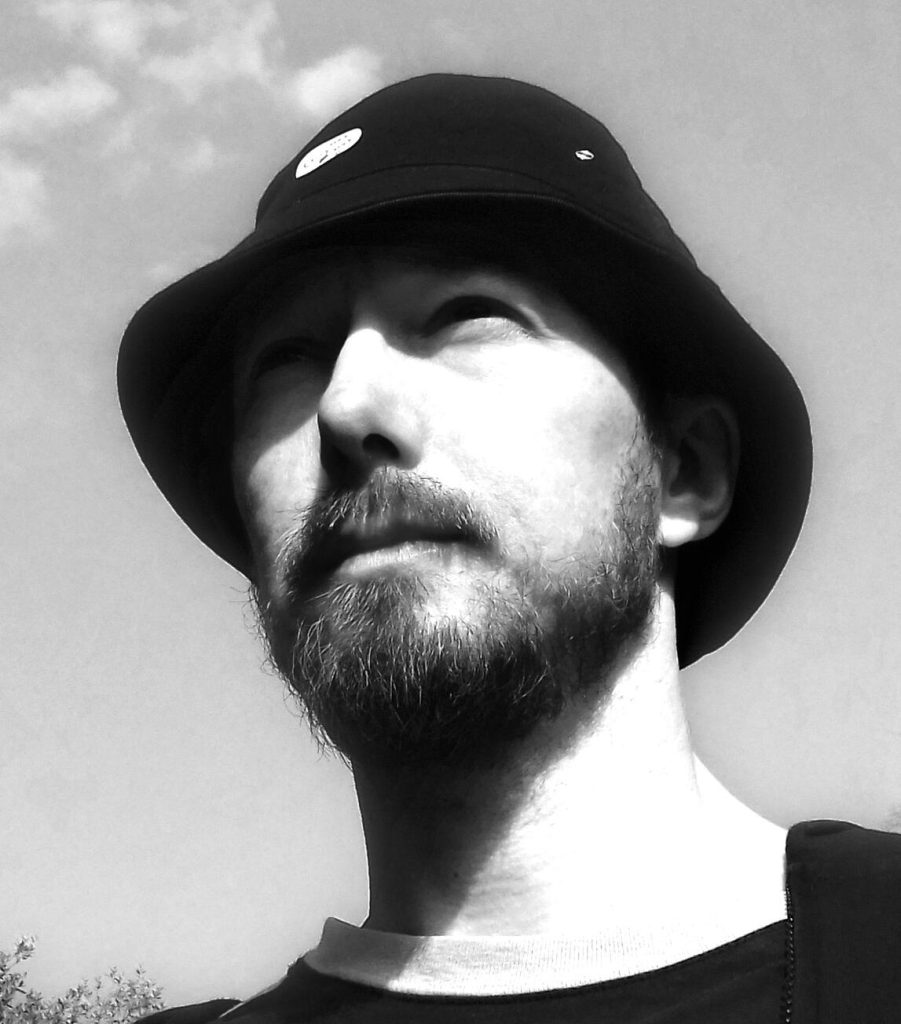
Unsure what WRITE! is about? Author and organiser, Karl Drinkwater, responds to ten questions about his practice and the monthly creative writing workshop.
What is WRITE! all about?

Specific time set aside to be creative in a short and inspirational burst, surrounded by friends.

Which authors inspire you and your practice?

Rather than individual authors, it tends to be individual books which have some wonderful element that is worth studying to see how the writer achieved their effects. So I might be inspired by the style of The Road (McCarthy), or the scope of The Descent (Long), or the storytelling of The Shining (King), or the characterisation in Jane Eyre (Brontë).

What motivated you to start the group?

When I went on residential writing courses I learnt a lot, but it was often the sessions when we wrote silently to prompts that stuck with me or led to trying out new styles and ideas. I wanted to come up with a format focussing specifically on that feeling. 

How effective do you think writing can be as a form of expression?

It allows you to explore ideas, to be different people, to create something beautiful that may inspire others. To hold our lives up to the great magnifying glass and see them for what they are.

Can you tell us of a time that you were recently inspired to write creatively?

To be honest, as a full-time author, I tend to have my projects scheduled up to a year in advance. For me, the inspiration comes from setting out a plot full of conflict/drama, which has enough detail to provide guidance, but not too much to take away the fun of discovery as I fall through the page and write. 

What is your advice for overcoming writer’s block?

Planning. Without a structure, writer’s block will come and knock.

Where is your favourite place to visit locally to inspire creativity for writing?

I like writing and editing in a pub. The requirement is that it is warm, friendly, and does not have a distracting TV. So normally that would be The Dougie, Coach & Horses, Riverside Tap, or the snug in The Globe.

What do you see for the future of WRITE!

Well, a lot of that depends on The Stove! How can we reach more people? Can it spread across the whole county? (Some people travel a big distance to attend!) Could we run repeat sessions at a different day and time so more people have a chance to join in? I’d like to look at opportunities for publishing creative work from Dumfries & Galloway, open to all residents, not just those attending WRITE! (though obviously the latter would be a key audience for submissions!) Plus I have been working on ideas for a non-fiction book about the craft of writing, and some of the material I prepare for sessions could be my inspiration to get on with it!

Just for fun – what has been your favourite writing prompt shared during WRITE! And how did attendees respond to it?

Ah, there have been so many! I love seeing how the same prompt leads to totally different interpretations. Also, the Titles session (titles of books, stories, newspaper articles etc) was fun. We drew titles from a hat and used them as prompts. Some had been provided by attendees, and it was revealing to see where people’s imaginations went!

WRITE! is the creative workshop at The Stove that gives you the space to guide your imagination and transform it into writing.

Hosted by multi-genre author and editor Karl Drinkwater, WRITE! is designed to allow you to play with words and construct short or longer pieces of work, whichever you desire, and it is open to all abilities!

If you would like to attend the next WRITE! session, click here.

To learn more about Karl, and to visit his website, click here.

Open Hoose is a project at the heart of the Stove’s community venue. Ideas are given the space, time, resources and support of the Stove Network to launch ambitious projects to galvanise and gather our communities together. From climate cafes to bread clubs, jam nights and creative writing groups, Open Hoose offers an eclectic mix of different activities for everyone to take part in. Find out more about groups like this one on our Open Hoose page, here.
Categories
Musings News

Let’s Talk Education

By Morgan Love

The Curriculum for Excellence (CfE) was implemented into the Scottish education sector in 2010, and to mark twenty-years since Scotland last held a national debate on the future of education, the Scottish Government invited groups of people to host conversations focused on the ways in which CfE has been successful, and to investigate what potential improvements can be made for the future.

The championing of education has been a pillar of my life from an early age. Having grown up with a grandparent who was unable to partake in primary education, due to a physical disability, it was sustained throughout my childhood that education is not only a tool that can be used to build a balanced and well-rounded life, but also a gift that should not be taken for granted.

It is for this reason that when the Let’s Talk Education* initiative was brought to my attention, I wanted to use it as an opportunity to gather together organisations working within the creative sector in Dumfries & Galloway, and begin to look at how how we can utilise our networks, skillsets and experience to make a difference in our region and pave the way for a new vision for Education.

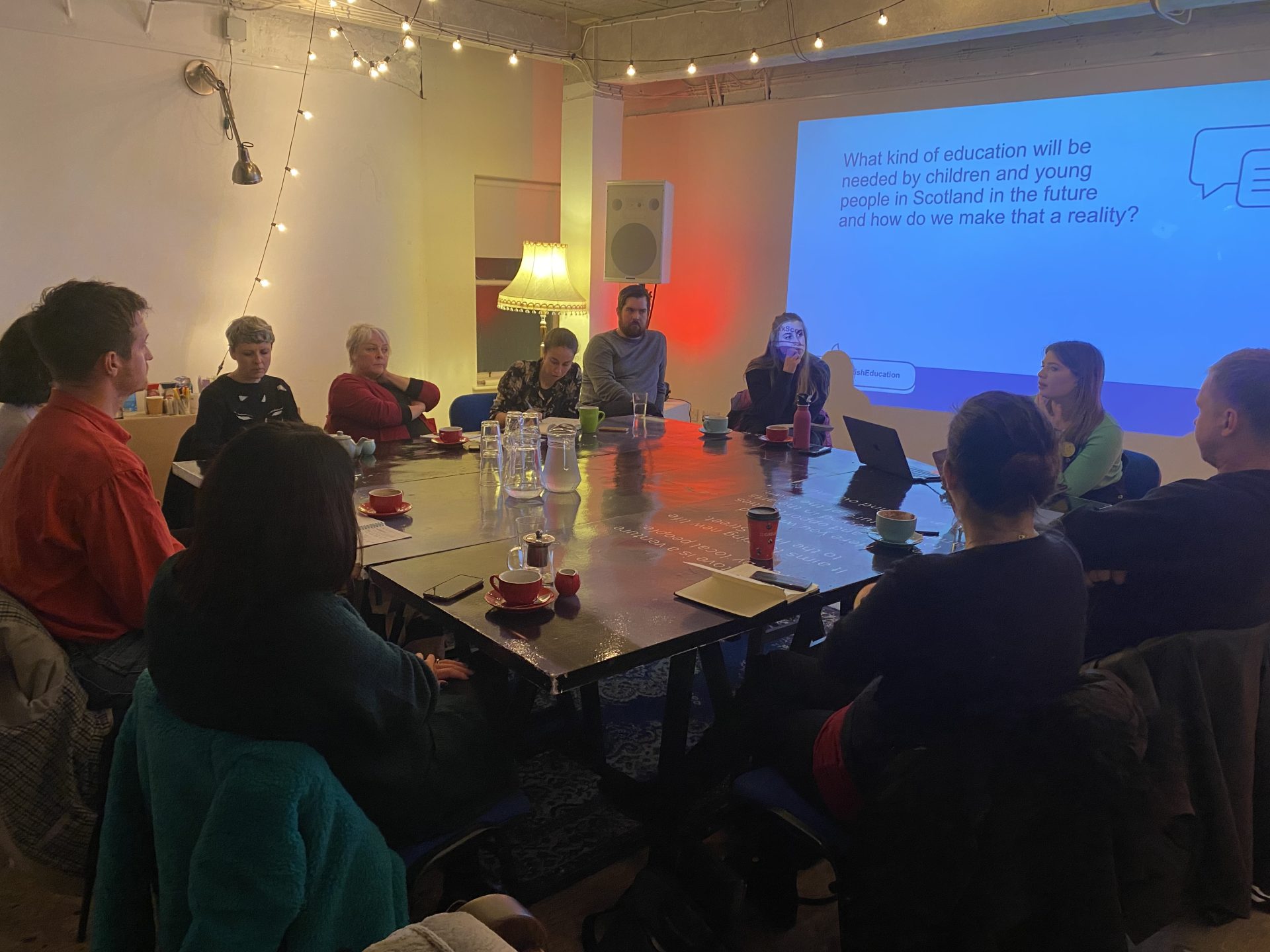
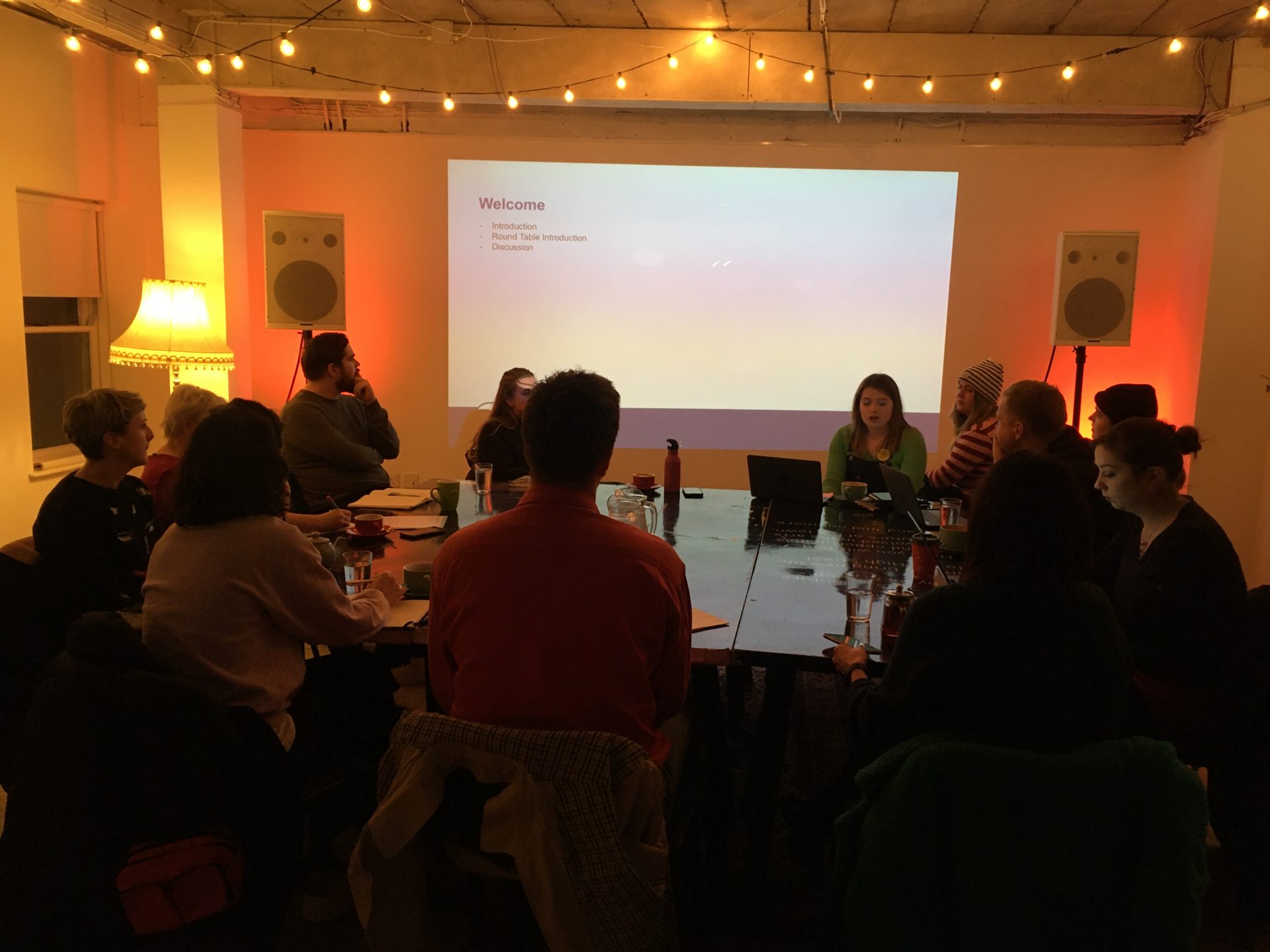
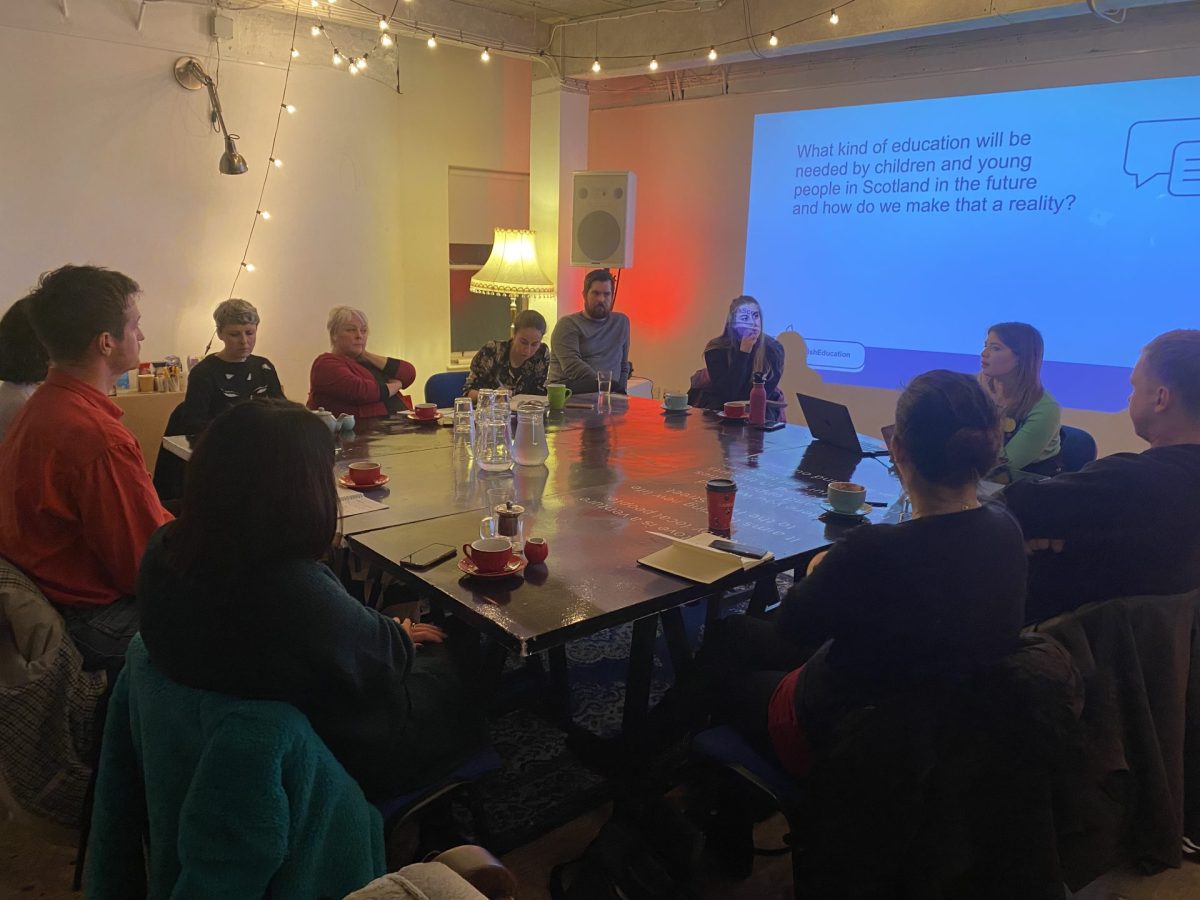
Armed with official questions from the Scottish Government and a few topics of interest, I facilitated a discussion with a group made up of eleven practitioners from eight separate local organisations (alongside two educators), and embarked on a conversational journey that provided so much more than expected.

Initially, I set out to explore three topics that could be fed back to the Government, these were:

  • The barriers to accessing creative industries
  • The link between mental health and art
  • How we can aim to implement STEAM (science, technologies, engineering, arts, and maths) over STEM (science, technologies, engineering and maths).

While these three topics became the core of the conversation, the feedback from the participants and insight shared allowed the discussion to evolve, branching out and offering opportunities for further discussion on topics including; the limitation of time and resources for educators, exploring methods of teaching popular in Scandinavian countries, and how education and culture feed into one another.

The overriding takeaway I had from the discussion was that our town, and wider region, is filled with organisations and individuals who care passionately about the young people who live here and about supporting new ways of engaging with them and developing opportunities for them to express themselves through creativity.

My hope is that this conversation is just the beginning, highlighting what could be possible if likeminded people come together and talk about important issues such as accessibility and inclusion.

For me, by facilitating this event, it has become clear that continued involvement with established education providers is an important way for us to engage with young people, to showcase the possibilites and to role-model what is achievable when passion and devotion are at the heart of what you do.


Morgan is one of three Associates currently engaged in a 10-month commission through Creative Spaces at The Stove Network. Creative Spaces is a project for the under-30’s that supports the development of those seeking a career in / currently working in the creative industries or community engagement and encourages artistic responses to cultural issues that impact young people in Dumfries & Galloway. Find our more about Creative Spaces here.

*https://www.gov.scot/news/lets-talk-education/

Categories
Musings News Project Updates

Out of the Blue

By Alice Griffin

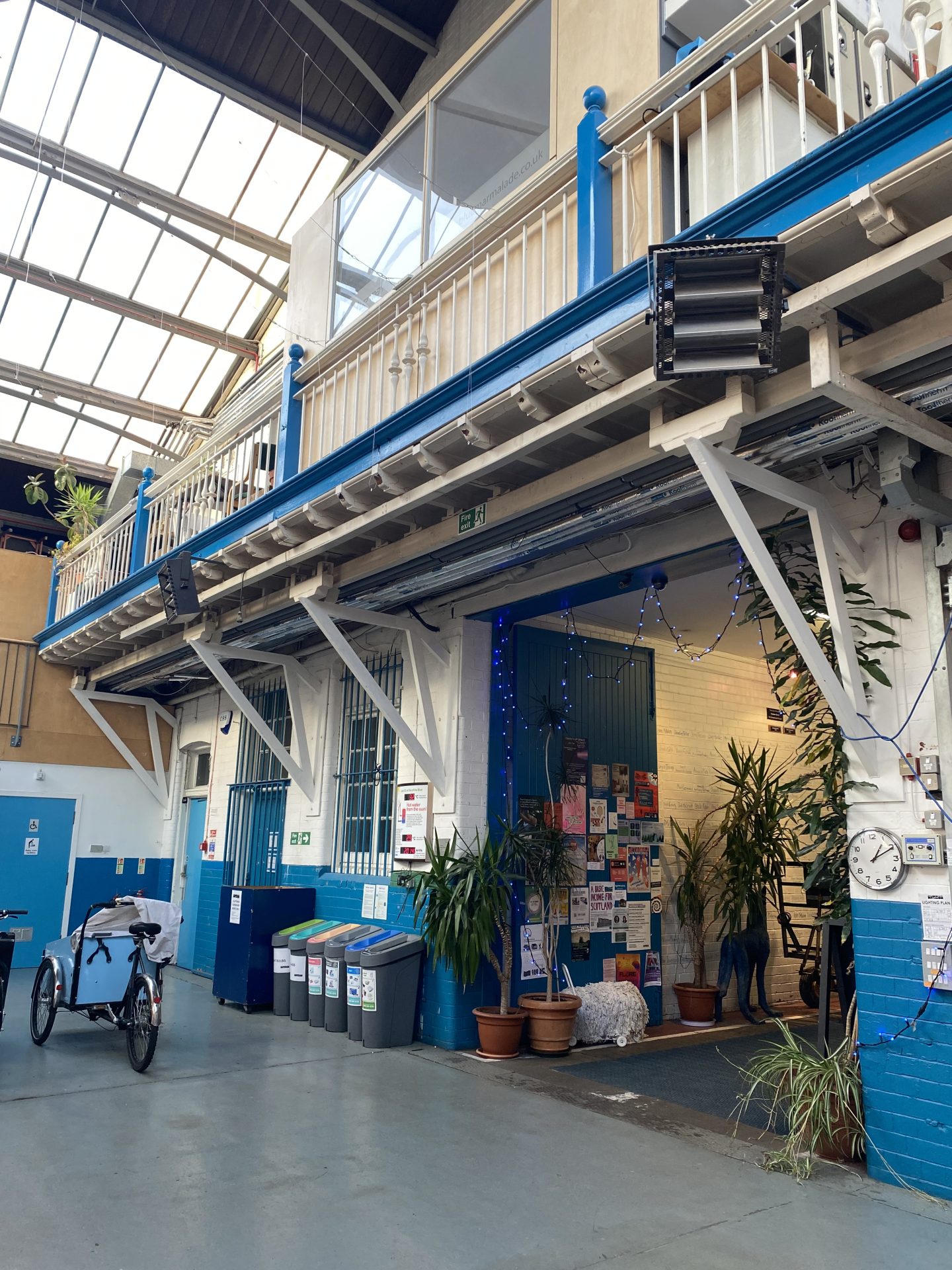
Last month, the Creative Spaces Team headed out on a ‘go see’ trip to Out of the Blue in Edinburgh. Situated in the heart of Leith, the old Drill Hall is home to a collection of artist studios, a café, exhibition & event space, and Out of the Blueprint.

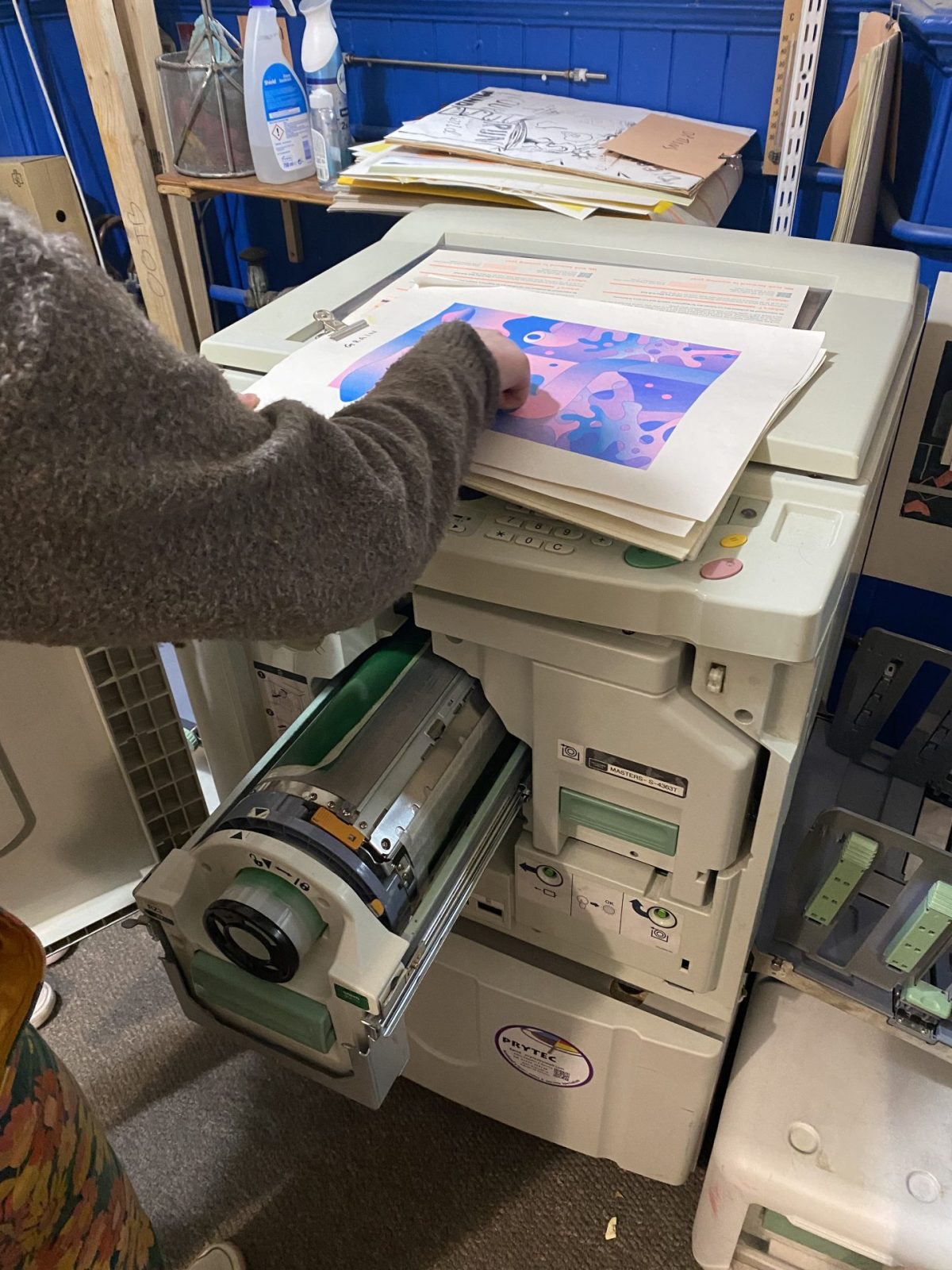
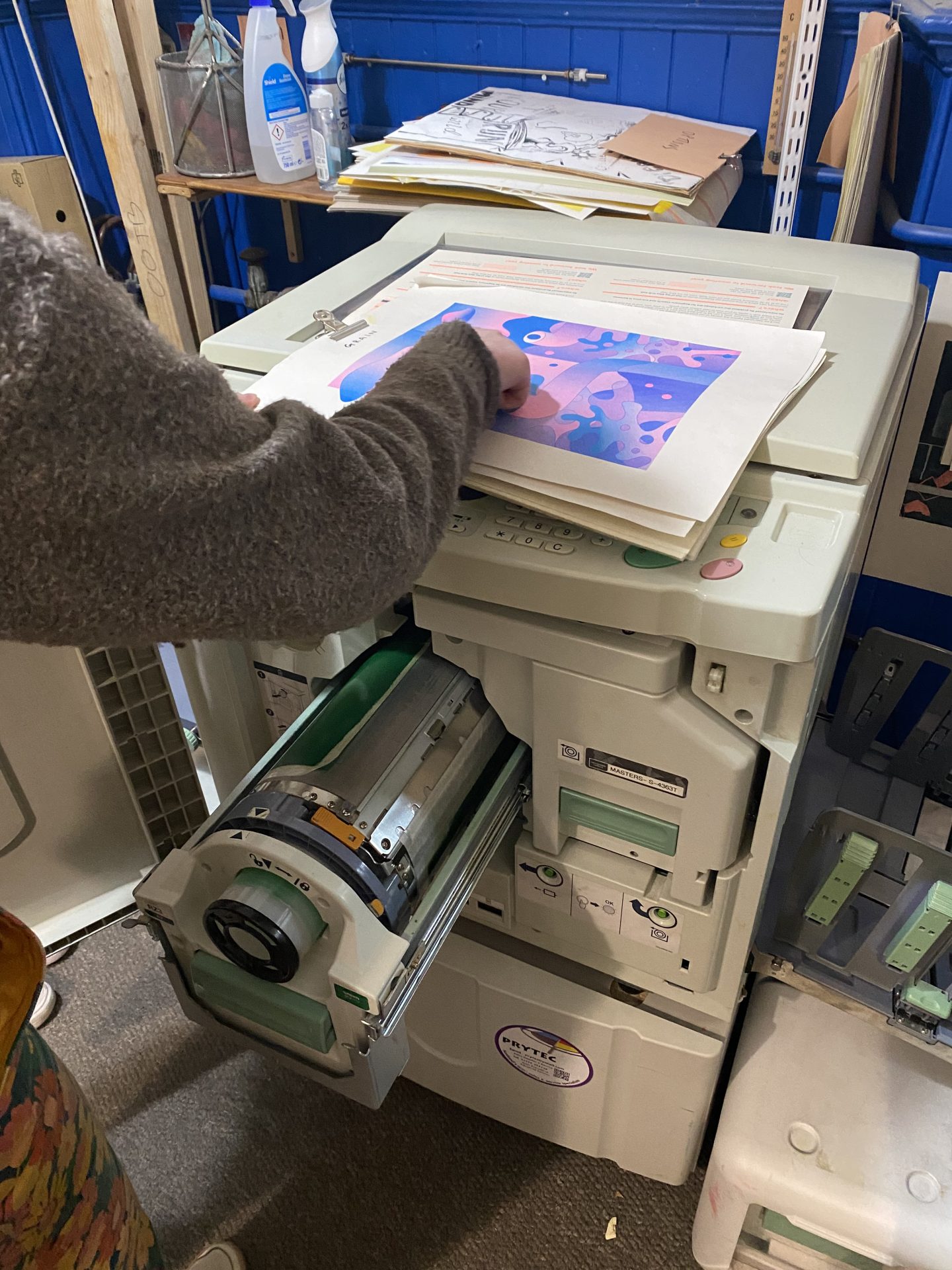
Out of the Blueprint is a social enterprise print studio that uses Risograph and Gocco printing. As someone with experience using both processes before, I value the benefits of the low-cost, quick printing method, as well as the eco-friendly inks that are used. Overall, I was keen to learn more about how a print studio like this was created and continues to run.

Upon arrival, we sat down for a coffee and Johnny Gailey, the co-ordinator of the organisation. He detailed the journey that the social enterprise has been on in the last 28 years – starting as a modest gallery space on Blackfriars Street right up to its current home in Leith. OOTB also operate the Bongo Club, which acts as a revenue stream alongside it for the majority of its existence. In 2015, Out of the Blueprint expanded to the drill hall, and has now grown into a social enterprise, with any money that is made throughout the organisation going straight back into the project.

After chatting over a coffee in their warm, eclectic café, we headed to the exhibition space where Johnny showed us the selection of work that was for sale. He also explained some more about the binding facilities they use and how their current artist residencies worked. We all loved a zine called ‘Sun’ created by a young creative called Coocoora who completed a residency at the studio.

Next, we headed through to the print studio where Johnny introduced us to Beth Thompson, the print studio manager and editor of Counterpoint magazine (an independent Risograph-printed magazine). Beth explained how the Riso machines work and showed us some of the work that has been created at Out of the Blueprint.

Speaking with Beth was inspiring as her passion for Risograph was infectious and it was fascinating to see how artists from different disciplines understand and implement the process. A great example of this was a zine that we all loved titled ‘Drums and Silence’ created by Cal Mac, an artist working between sculpture, sound, print and video.  

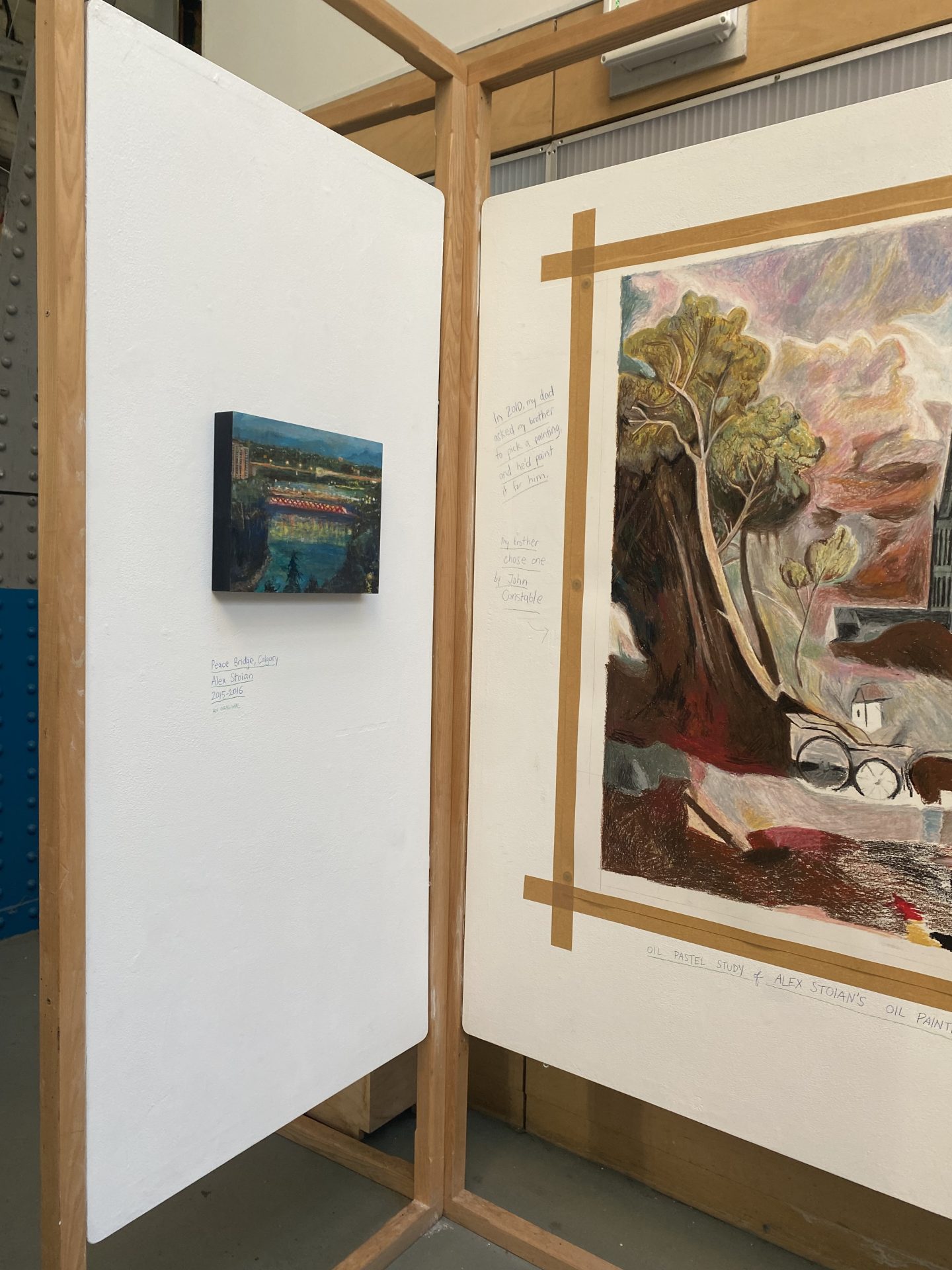
Before we headed home, we were lucky to be able to see Maria Stoian’s exhibition of work in progress titled, ‘Forgeries’ that she created during her recent residency with Out of the Blueprint and pick up a couple of pieces from the gift shop.

This visit to Out of the Blueprint was so helpful for me to understand what possibilities there are for printmaking in Dumfries & Galloway. It’s exciting to see a sustainable, eco-friendly, and affordable print studio thriving and giving young people in the area the opportunity and resources to produce creative projects.

Categories
Musings News

Creative Placemaking and How it is Being Implemented Within The Scottish Cultural Sector

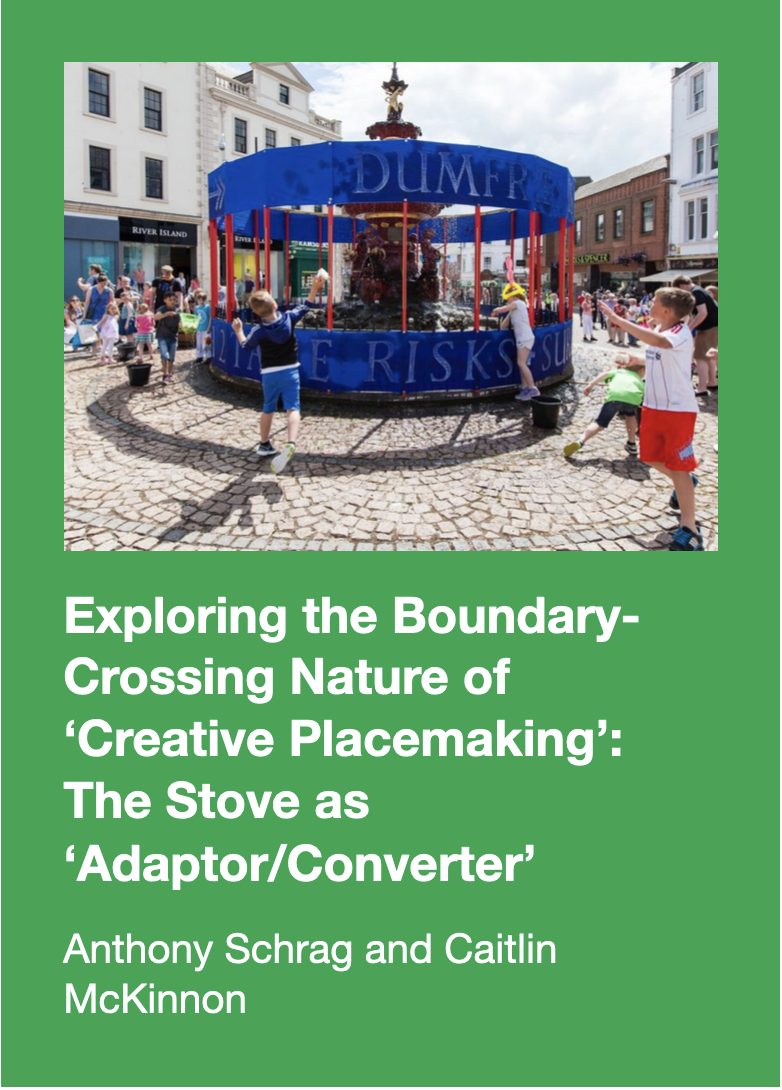
Anthony Schrag and Caitlin McKinnon’s paper, “Exploring the Boundary-Crossing Nature of ‘Creative Placemaking’: The Stove as ‘Adaptor/Converter’” features in the internationally renowned publication, Field.

Field is a journal of socially-engaged art criticism and responds to the remarkable proliferation of new artistic practices devoted to forms of political, social and cultural transformation. Frequently collaborative in nature, this work is being produced by artists and art collectives throughout North, South and Central America, Europe, Africa and Asia.

Schrag and McKinnon’s paper explores, in depth, the concept of creative placemaking, and the role of The Stove Network in developing and spearheading this idea within its current methodology and its approach in Southwest Scotland. 

Creative Placemaking, is defined by The Stove Network through the WWDN project as: a community led approach that uses creative activity to support collective decision-making and positive change for people and the places they live. This paper explores the relationships between people, place, and creativity, (Creative Placemaking) and “how this ‘new’ concept of place-based creative works is being implemented within the (UK/Scottish) cultural sector, with particular attention placed on The Stove, in Dumfries.”

Dr Anthony Schrag, co-author of this paper, recently contributed to ‘kNOw One Place’, Scotland’s first forum dedicated to the discussion and ambition of creative placemaking, produced by The Stove Network and supported by South of Scotland Enterprise and Culture Collective (funded by Scottish Government and coordinated by Creative Scotland). This future-thinking discussion on how communities can use creativity to lead the development of their places, featured a series of online webinars and a mixture of open space discussion and expert reflection, exhibition, and original artworks. Drawing people from public, private, independent, and charitable sectors together to share and co-create an agenda for creativity and placemaking for the future.

In the following video, Anthony explores Creative Placemaking, specifically focusing on the idea of a ‘boundary crosser’ using his recent paper as reference:

Matt Baker, Orchestrator, The Stove Network emphases the critical role that creativity can play in the development of community led planning.

“The focus of creative placemaking is to bring under-represented voices from the community into conversations about the future of the area in which they live, through active creative projects. To bring together people, communities, groups, and organisations, public, private and third sector agencies to develop common ground on community-led planning and enterprise.”

Watch Matt as he explains what Creative Placemaking means, in this context, and how it is making an impact through What We Do Now (WWDN), The Stove Network’s creative placemaking pilot project that has been underway for more than 12 months in Dumfries & Galloway. This ground-breaking, collaborative project works with artists, communities and organisations in Castle Douglas, Dumfries, Langholm, Sanquhar and Stranraer.

Caitlin Wallace, an Inspire Graduate with Dumfries & Galloway Council, has explored further the relationship between artists and Places through the strategic partnership Dumfries & Galloway Council has with WWDN.

Caitlin Wallace

Working closely with the project to understand the opportunities within Creative Placemaking for community-led planning and development, specifically as a tool for communities to develop their own Place Plans, Caitlin spent time interviewing the participants of WWDN about their projects and Creative Placemaking approach to working within their communities.

Throughout the WWDN pilot Katharine Wheeler, Partnerships and Projects Development Lead at The Stove Network explains;

“Our focus for the project was to connect artists and community organisations together, to develop creative activities and projects in their communities with the intent for wider social change and wellbeing for those involved.”

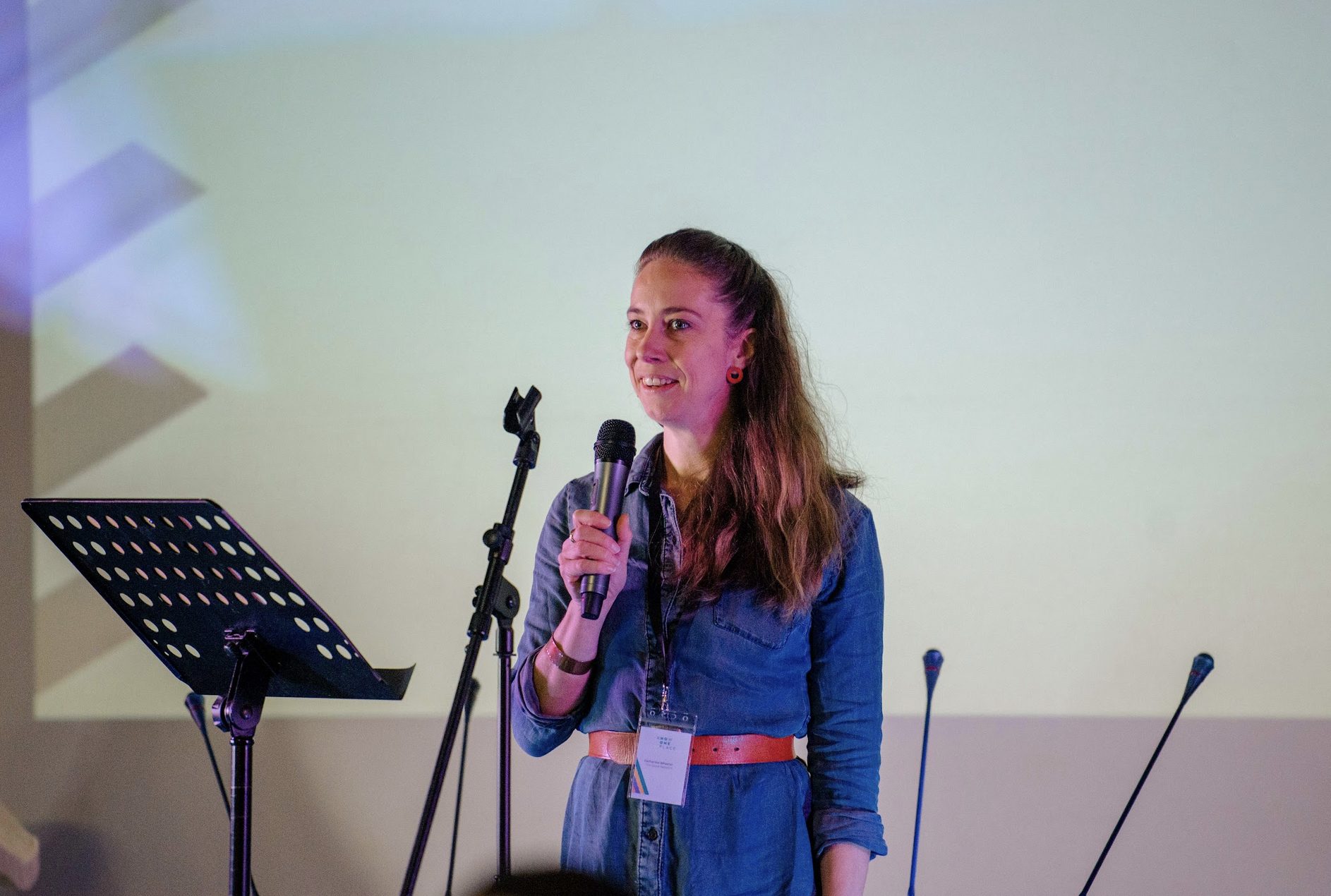
Katharine Wheeler, Speaking at kNOw One Place in September 2022.

In this review, Katharine looks back on the first 12 months of the project and not only celebrates successes, but also identifies challenges and opportunities for the future.

This approach to collaborative working practice, leads the way to a new future of creative placemaking in Southern Scotland. To discover more about WWDN and Creative Placemaking in Southwest Scotland, visit: whatwedonow.scot 


Exploring the Boundary-Crossing Nature of ‘Creative Placemaking’: The Stove as ‘Adaptor/Converter’

About the Authors

“Dr. Anthony Schrag is a practicing artist and researcher, and Senior Lecturer at Queen Margaret’s University (Edinburgh). The central focus of his work examines the role of art in participatory and public contexts, with a specific focus on social conflict, agonism and ethics. His PhD and current research examines the notion of ‘Pro-Social Conflict’ within participatory and social-practice projects. His most recent publication The Failures of Public Art and Participation (co-edited with Cameron Cartiere) was released in Sept, 2022. He is currently the Primary Investigator on a RSE project developing a Rural Art Network (Scotland). He has worked nationally and internationally, including residencies in Iceland, USA, Canada, Pakistan, Finland, The Netherlands, and South Africa, among others. He has been the recipient of numerous awards and grants including Royal Society of Edinburgh, The Hope Scot Trust, Creative Scotland, British Council, Royal Scottish Academy, the Dewar Arts Award, Standpoint Futures as well as a Henry Moore Artist Fellowship.

Caitlin McKinnon is an SGSAH funded PhD Candidate exploring Arts Management Education. Caitlin has sought to immerse herself in the arts and cultural world in a variety of different positions. Highlights include co-founding a community arts zine in her hometown, volunteering with a Toronto Artists Collective during their takeover of a vacant subway kiosk and working at the Lakeshore Grounds Interpretive Centre to run story-based workshops for the local community.  More recently, Caitlin has worked on several different research projects commissioned by Creative Scotland, British Council (Scotland), Engage Scotland, as well as organisations such as Out of the Blue, the Stove, and SESQUI Canada. As a developing researcher, Caitlin’s research interests include discourses of arts management, professionalisation, cultural policy, and relations of power in the cultural sector.”

Categories
News Opportunities Project Updates

The Stove’s Christmas Salon – Open Call for Artists


The Stove Cafe and Conversing Building invites artists and creative folk from Dumfries and beyond to submit artworks to feature as part of a Christmas selling exhibition.

Every year, our Cafe hosts a festive display and this year we’d like to use the space to support local artists and create additional space for the purchase of artworks during the festive season.

The exhibition will run from Tuesday 22nd November to Thursday 22nd December, open to the public during regular cafe hours at The Stove, Monday-Saturday’s, 9am-3pm.

We will host an additional evening as part of Dumfries Christmas Lights Switch On Friday, 25th November from 4pm.

How To Submit Artwork:

  • Artists may submit up to a maximum of two artworks per person.
  • 2D artworks should not exceed 60cm in any direction, and 3D artworks should not exceed 30cm in any direction.
  • Artworks must be dropped off during one of our scheduled drop off dates (see below), or by appointment only
  • Artists must complete a contacts form including BACS Bank Transfer information before leaving any artworks. These will be available during our scheduled drop off dates or by emailing [email protected].
  • Any unsold artworks must be collected on Monday 9th January 2023.

Artwork Drop Off Dates:

Artworks can be dropped off Tuesday, 15th November between 3pm and 6pm, or Wednesday, 16th November between 12noon and 4pm.

For more information drop an email to Public Art Lead Katie Anderson, [email protected].

*Conversing Building is an ongoing project at The Stove, that looks to activate spaces around The Stove through a variety of visual and public art projects and displays. For more info on the project visit our project page here.

Categories
Musings News Project Updates

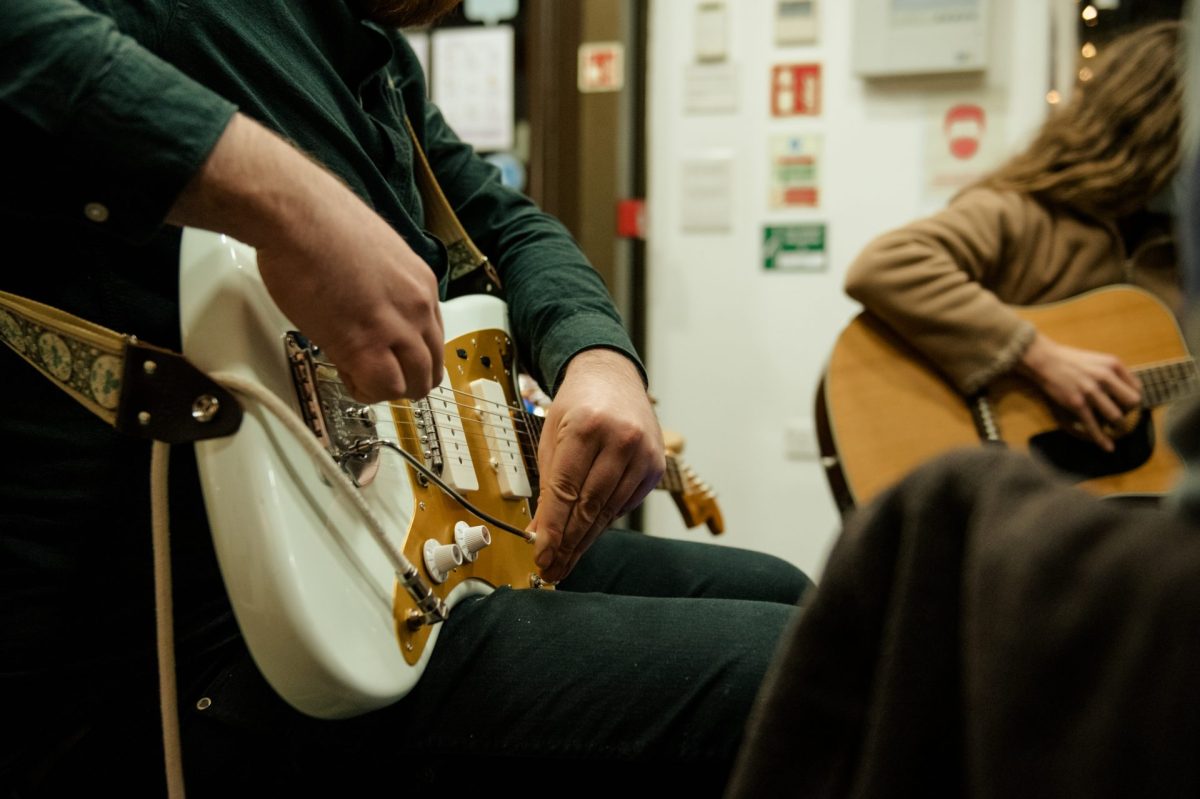
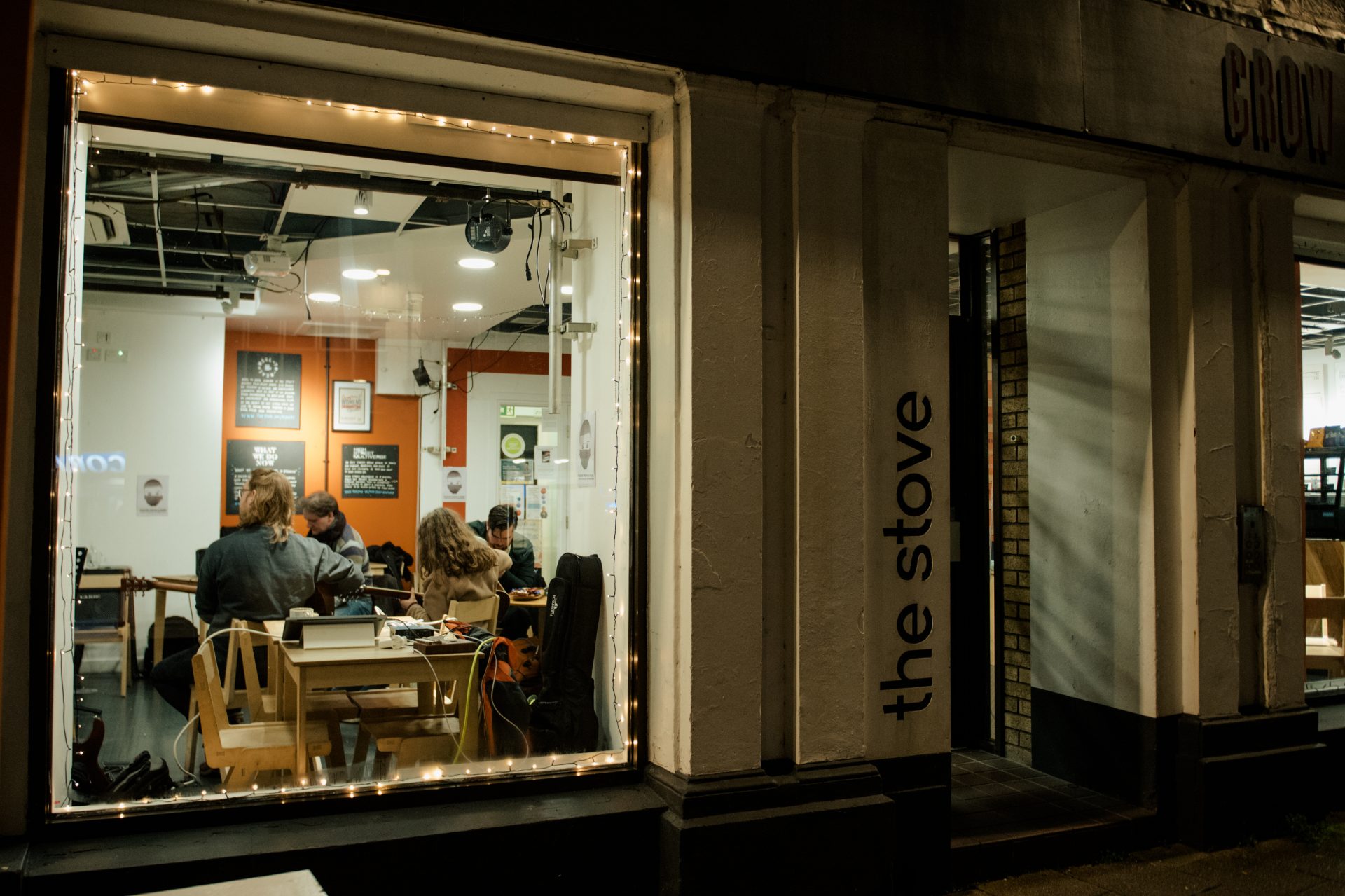
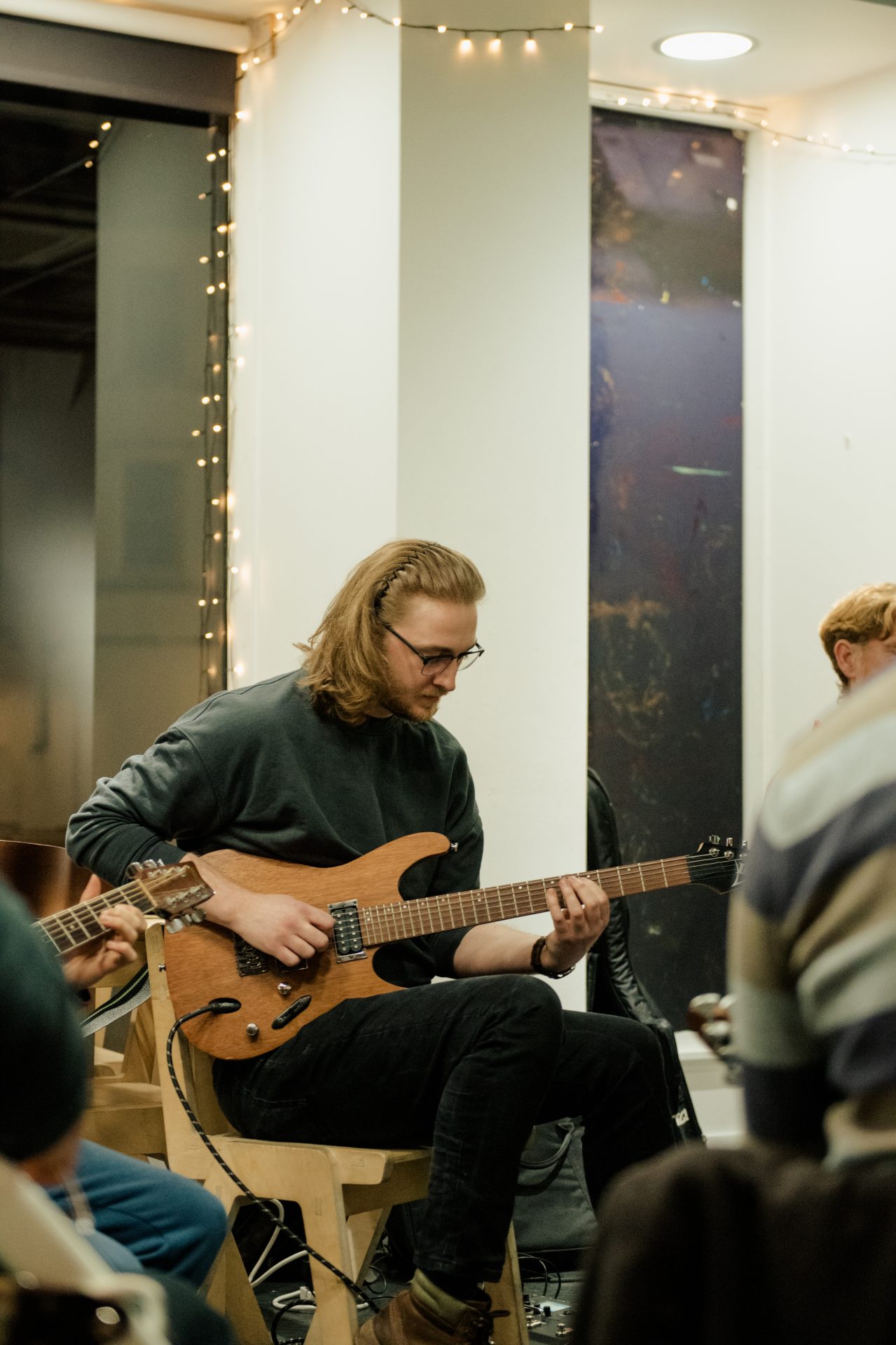
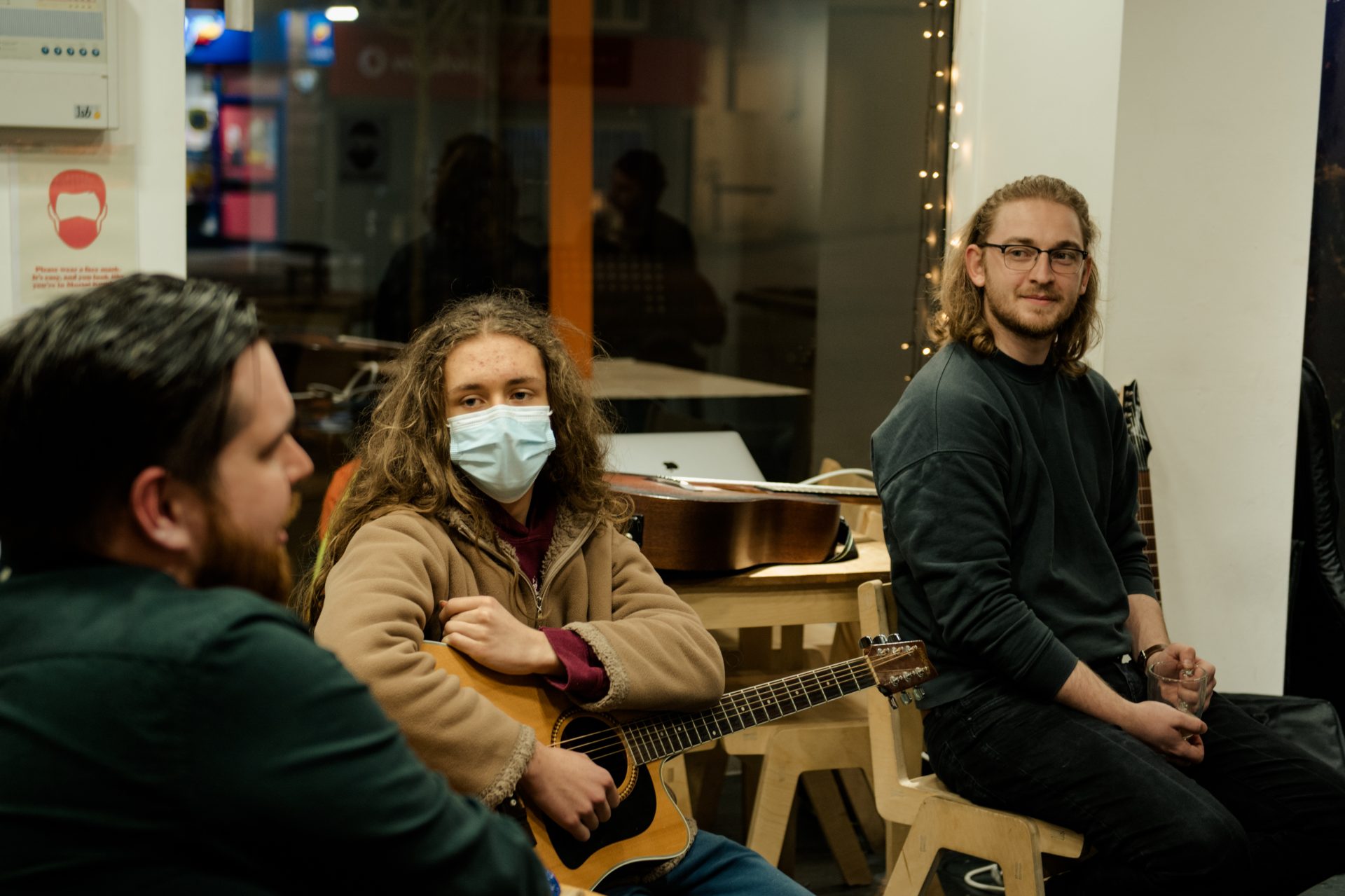
Free Improvisation

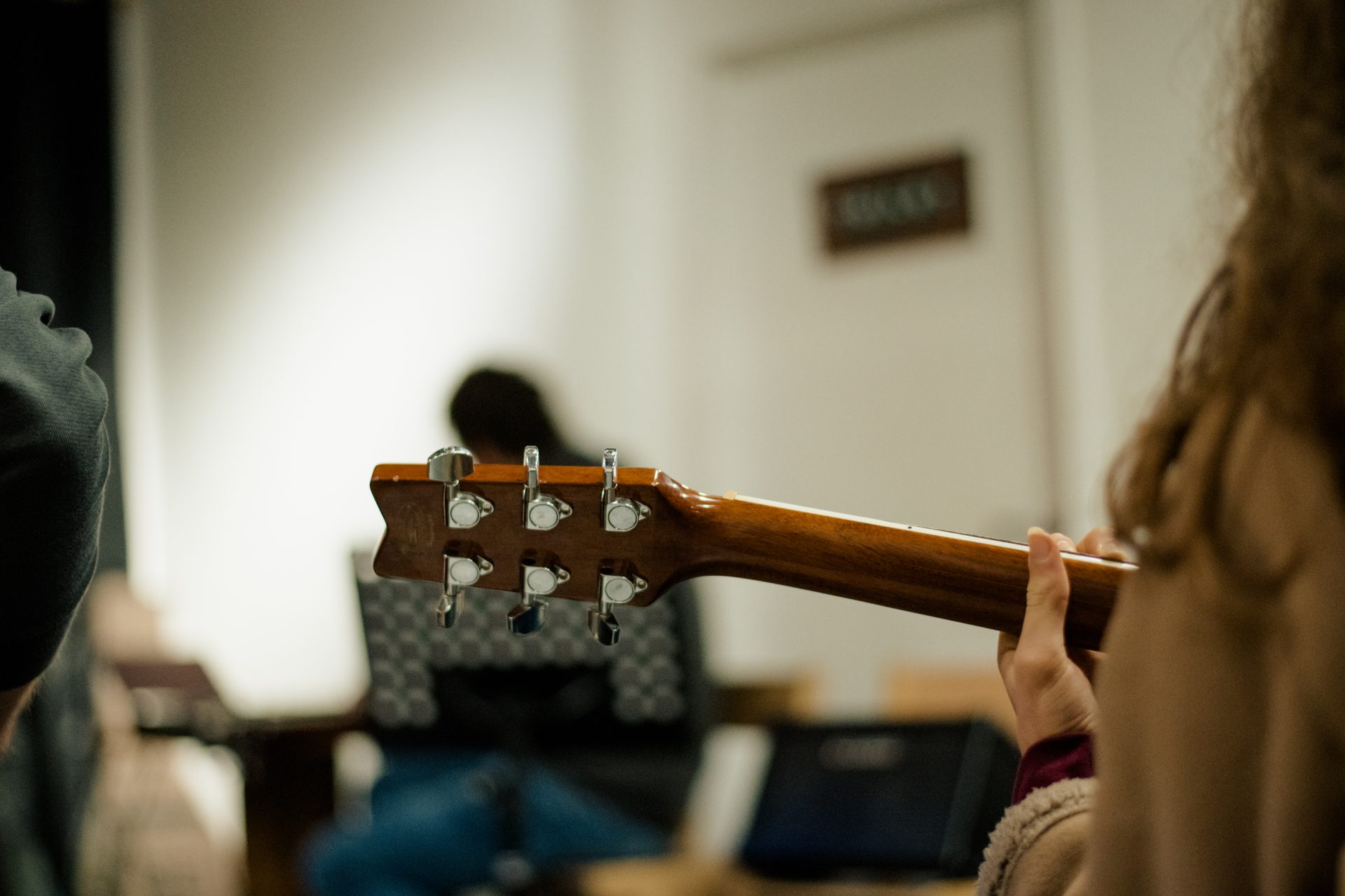
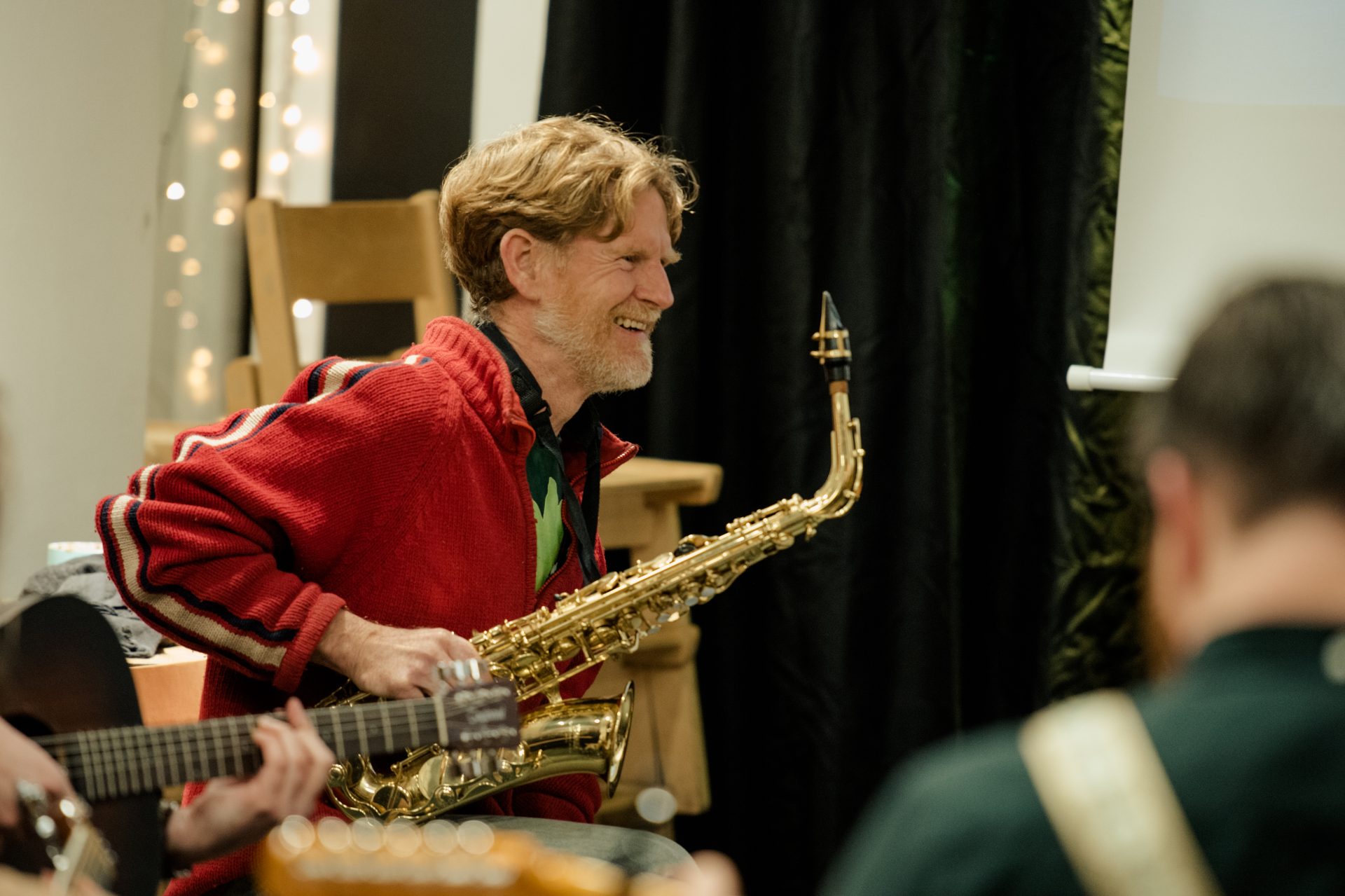
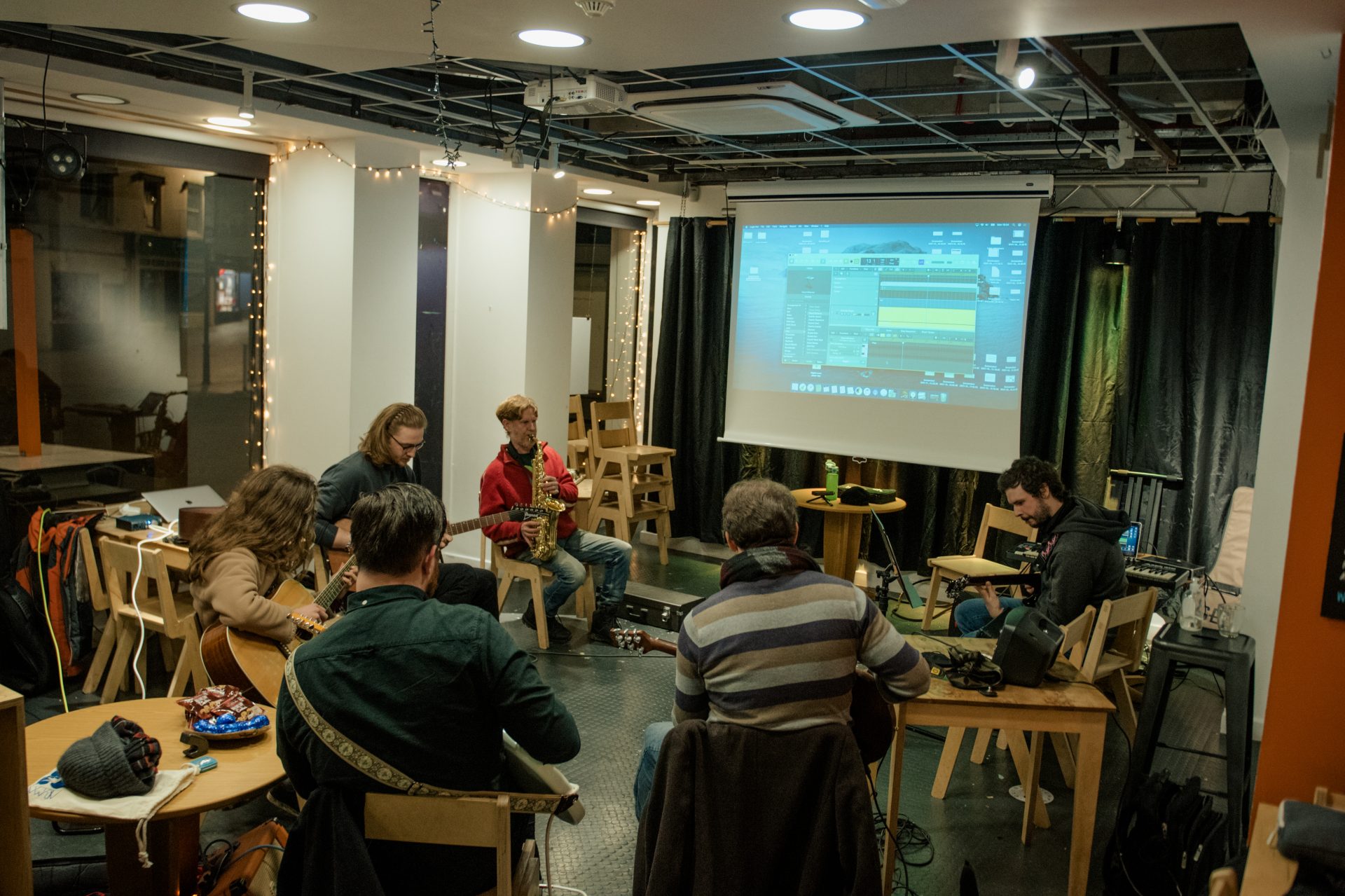
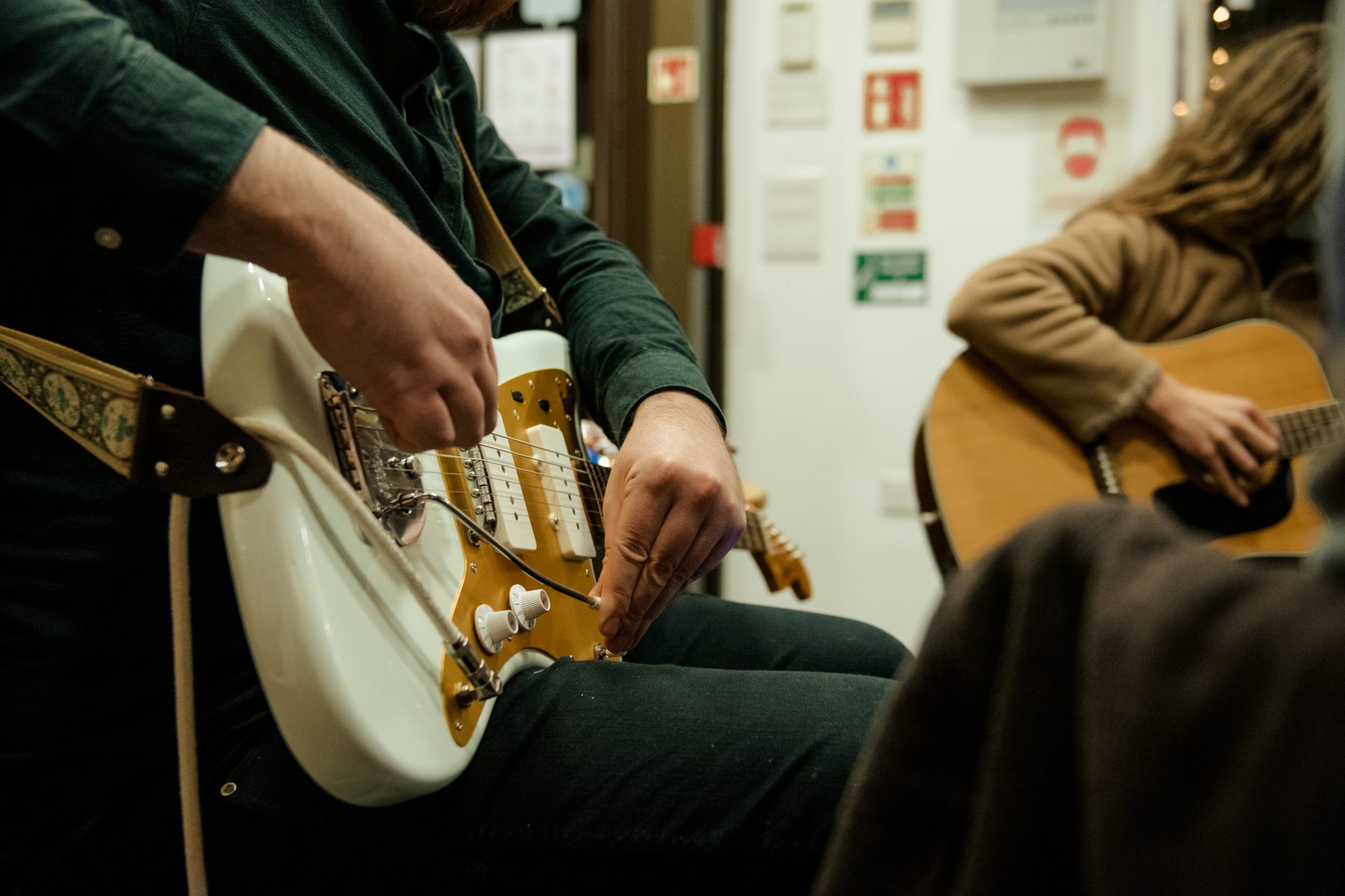
The Open Hoose project that lets local musicians colour outside of the lines

To find out what Free Improvisation is all about, we asked Free Improvisation’s organiser, Calum Walker, ten questions to get an insight into this unique and exciting group.

Photography by Kirstin McEwan

What is Free Improvisation?

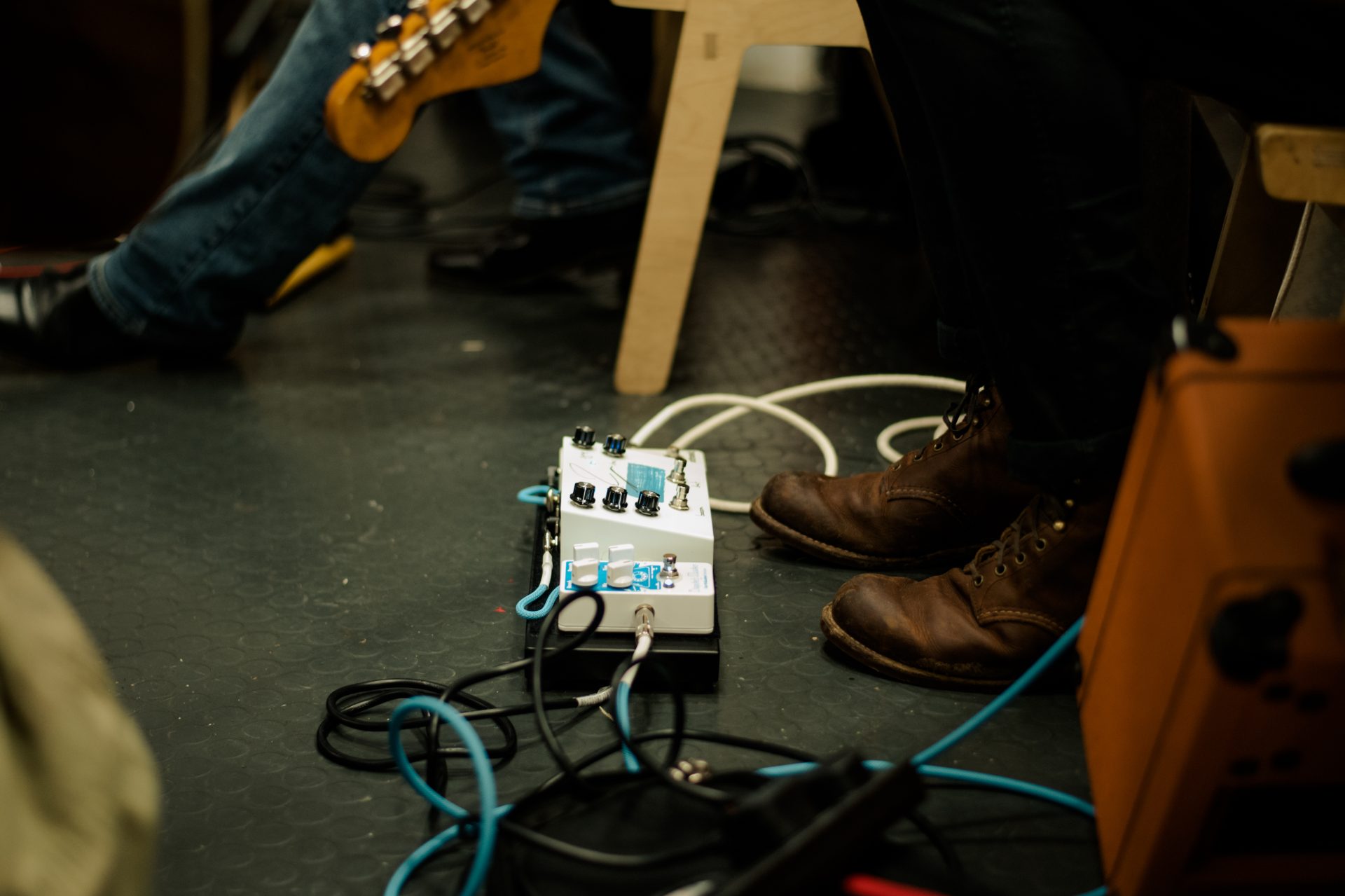
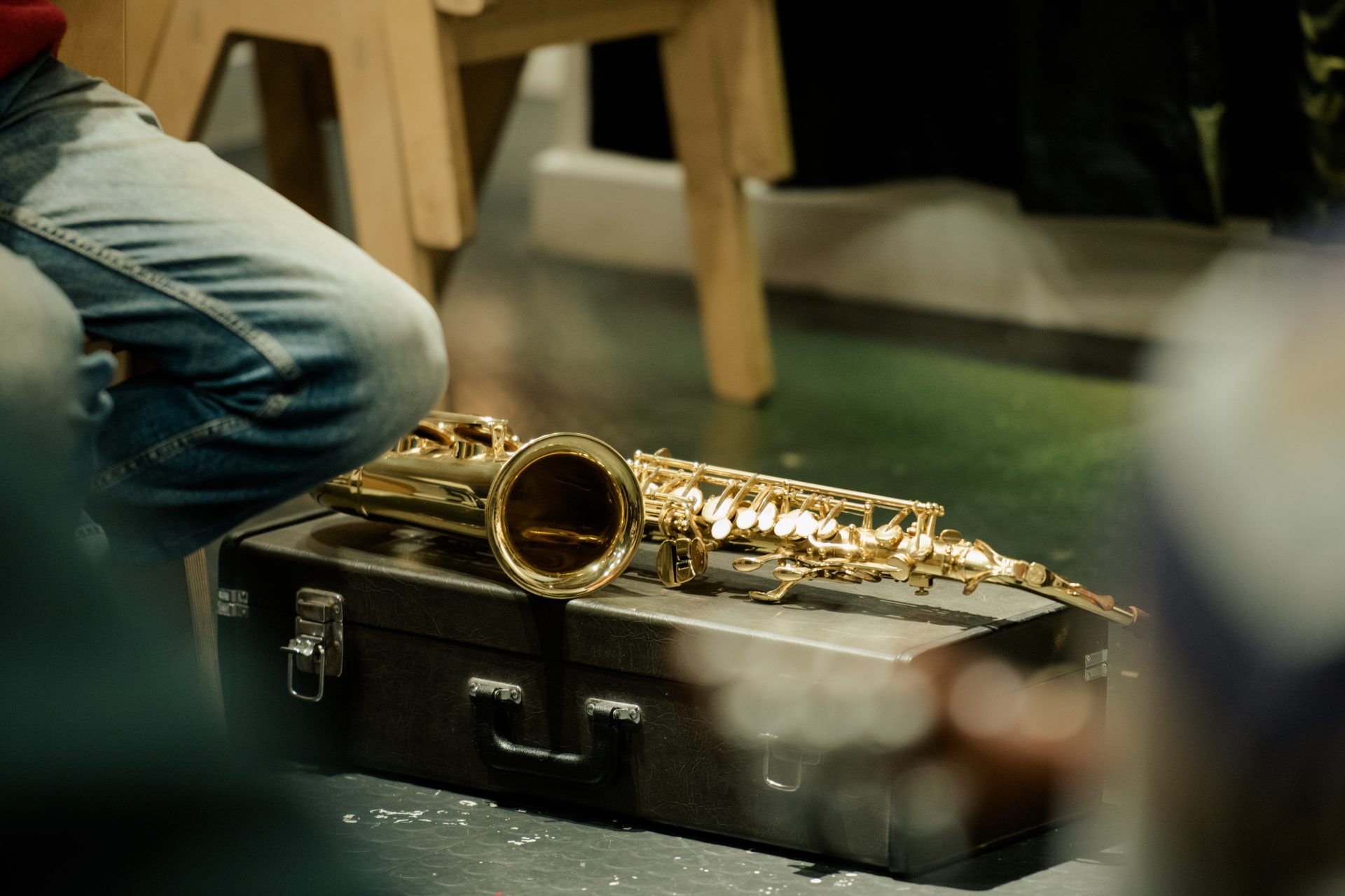
The sessions are based on the group improvisations I’ve participated in, during my time studying. It is focused on listening and playing intuitively with a group, in a way that is open and unrestricted by genre-specific styles or technique. A big part of it is trying new ideas and then reflecting on the outcome.

How did you get into playing music?

I’ve played guitar since I was young, but I guess I wouldn’t have thought of myself as a musician until more recently. My friends and I started a metal band when we were young, and that kept us busy for a long time. Through that, I started to learn about other musical styles and wanted to write music for a wide range of orchestral and electronic instruments. More recently, I’ve been working to take my music further, by returning to full time education and working in new settings.

Which musicians inspire you?

There are thousands. For guitar, I’m really inspired by Guthrie Govan’s books on creative playing at the moment. The concept of the group sessions owes a lot to composers like John Cage and Terry Riley. I probably get the most inspiration from people I know personally. Being able to jam and talk music with great, knowledgeable players really compels me to practice harder.

Are there any musicians or bands that took the art of free improvisation into mainstream audiences?

There might be. Improvisation is everywhere in music but I think less stoic practices can seem a bit more abstract. It’s more popular in the contemporary jazz, electronic and classical worlds. However, loads of songwriters and bands will have used group improvisation as a foundation for a track. It’s no different to an ensemble picking up their instruments and just seeing what happens, without the pressure of it having to fit particular parameters.

Is it ever too late to start learning a new instrument or a new way of playing an instrument?

I can’t say for every case but I don’t think so. I think it can be a challenge if you have to start from nothing or unlearn old habits. With enough motivation and time I think anything is possible.

What got you thinking about setting up the Free Improvisation group?

In the beginning it was based on the sessions I attended at my college. They were much more ‘out there’ than I had expected, but I really got something out of it. Now, the sessions are more refined to suit the interests of the group. The format is great because it doesn’t matter about ability levels or having specific numbers or instruments. It’s not about shredding or proving that you’re the best, because it’s based on listening and group dynamics. It’s so flexible and anyone can participate in creating music in this way.

What do you like about jamming with other musicians?

It’s nice to have an objective, even if that objective is simply to be heard once in a while. The hard work and gruelling practice seems to all be worth it when you’re locked into a jam with players that share the same respect and enthusiasm.

What can newcomers expect from taking part in Free Improvisation sessions?

Each session tends to be quite different. It can be quite lively or serene. I usually come with a few ideas I want to explore, but it’s group led so it has the capacity to go in unexpected directions. There’s always a mix of shorter exercises and longer, experimental improvisations. Lately, we’ve been looking at AV projects to create sound for. The atmosphere is always really exciting and the group are really friendly and eager to create.

What do you see for the future of Free Improvisation?

I’m hoping that there’s still room to expand and collaborate with different mediums in new ways. There are loads of great players in the area. Free Improvisation might not be their burning passion, but I think there is something really interesting to be gained from it. The priority is the playing, and the benefit of sharing ideas with like minded musicians.

Just for fun – is there a particularly memorable highlight of a Free Improvisation session?

There’s been a few interesting moments. We did an exercise where one of the group members read lines from Karl Pilkington’s books, and the group would use the text as a stimulus for music. The most memorable parts of the sessions are in those moments when it all comes together and you can sense that everyone is really into the sound that’s being collectively created.

Open Hoose is a project at the heart of the Stove’s community venue. Ideas are given the space, time, resources and support of the Stove Network to launch ambitious projects to galvanise and gather our communities together. From climate cafes to bread clubs, jam nights and creative writing groups, Open Hoose offers an eclectic mix of different activities for everyone to take part in. Find out more about groups like this one on our Open Hoose page, here.