Categories
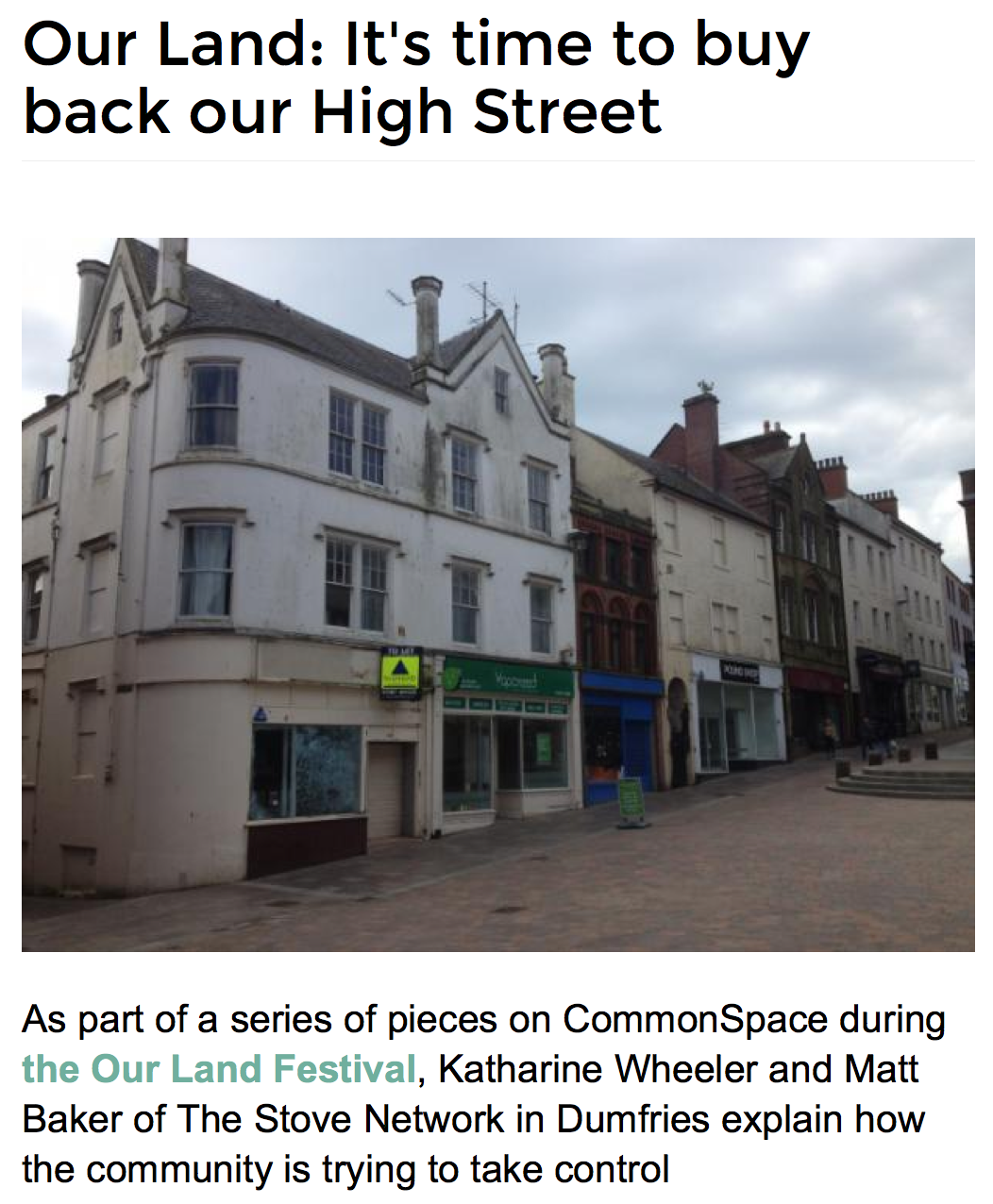
Its Time to Buy Back Our High Street
 The Stove Network
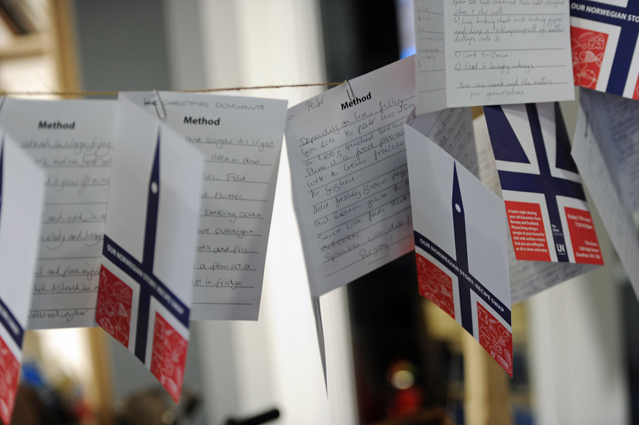
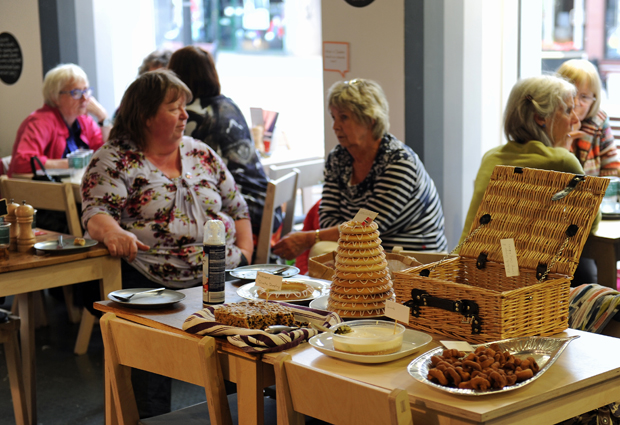
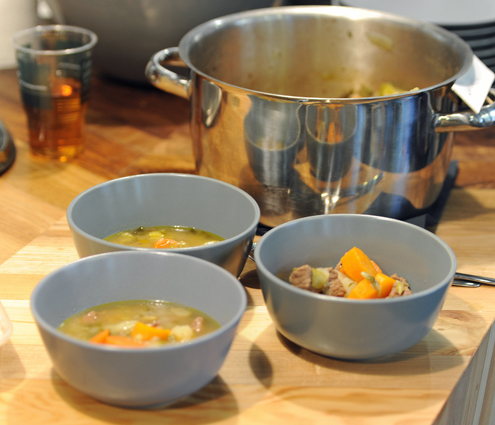
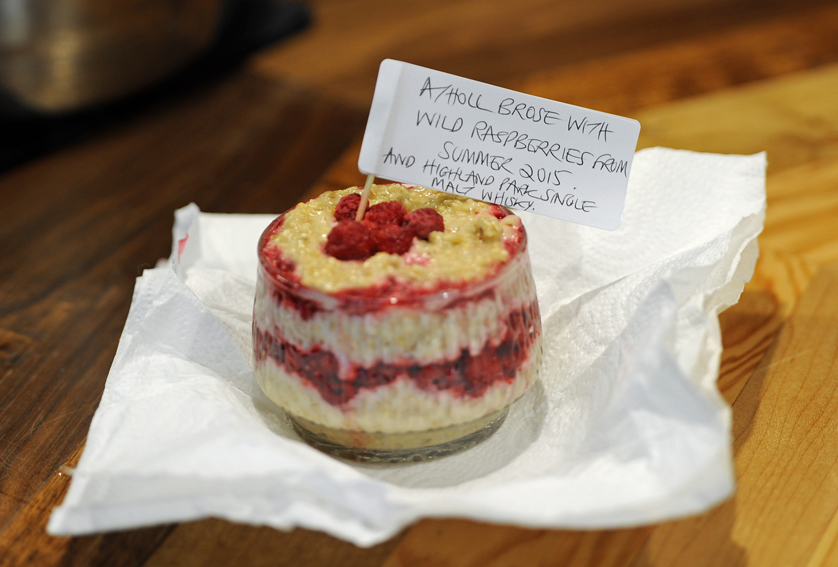
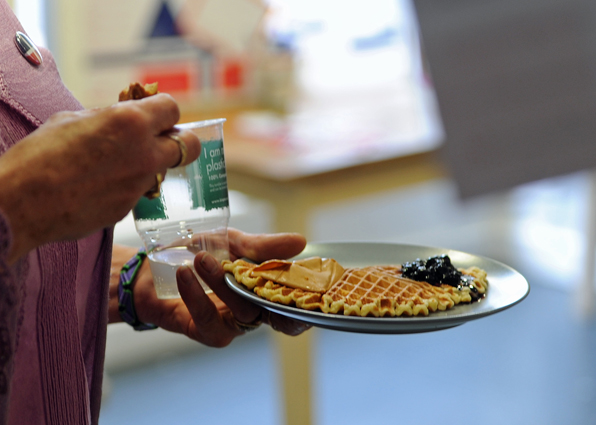
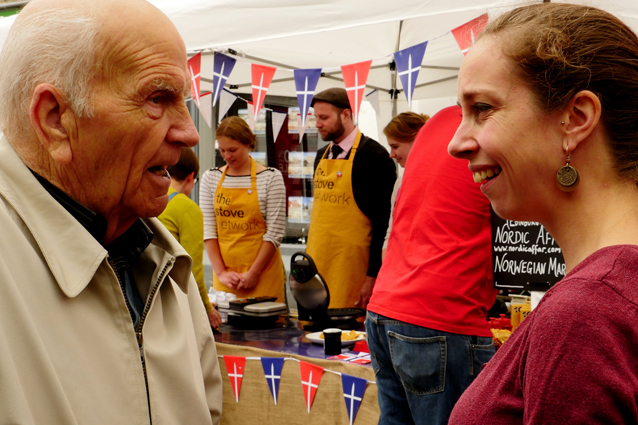
Looking over the next few weeks on Our Norwegian Story so far – The project kicked off on June 17th the with a wonderful array of specialities from Norway as well as this side of the ocean for our Recipe Swap and Market. Those who turned up shared stories over warm waffles with Norwegian blueberries, Kransekake and some scotch favourites like Chranachan, writing down some recipes for you to enjoy at home.
All of the Recipes have now been up-loaded to our project page here: http://www.thestove.org/portfolio/our-norwegian-story-recipe-swap/
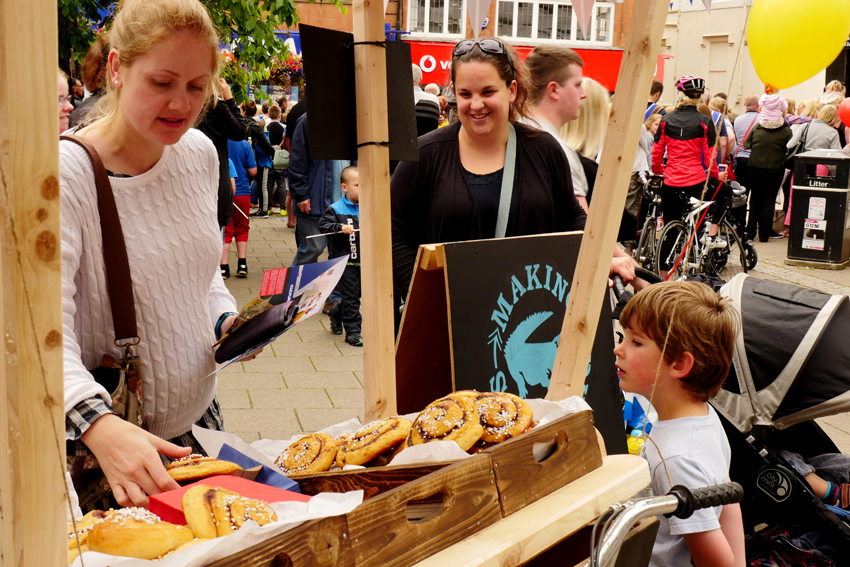
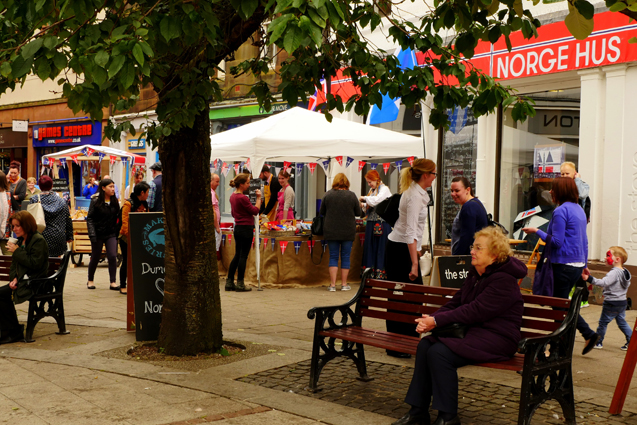
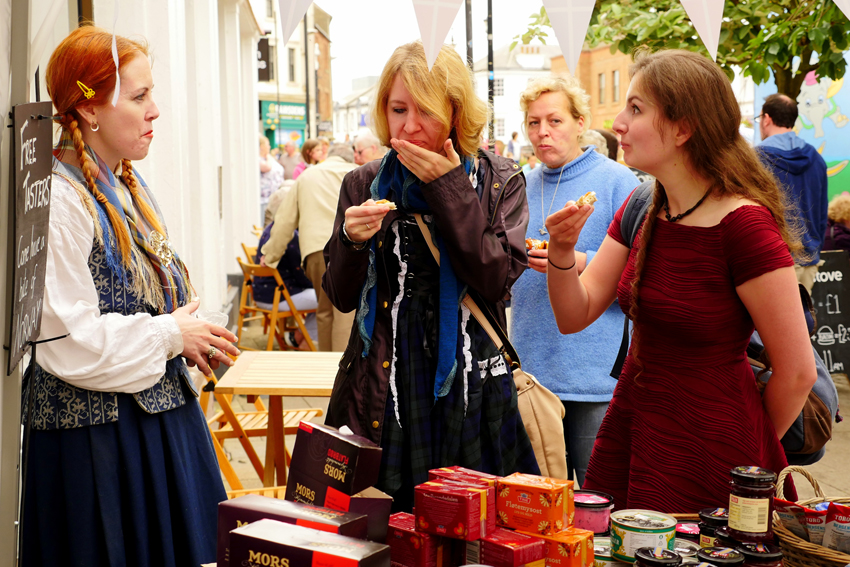
Saturday the 17th June saw us join Dumfries’ annual Guid Nychburris celebrations with more waffles, cinnamon buns and a special Norwegian Market kindly put on by Alex of Edinburgh based Nordic Affar – www.nordicaffar.com – where you can buy all the Norwegian classics from Brown Cheese to Salted Liquorice.
More food to come at Septembers Scottish/Norwegian film Shorts and Pot Luck night on September 15th at 7pm, information to follow.


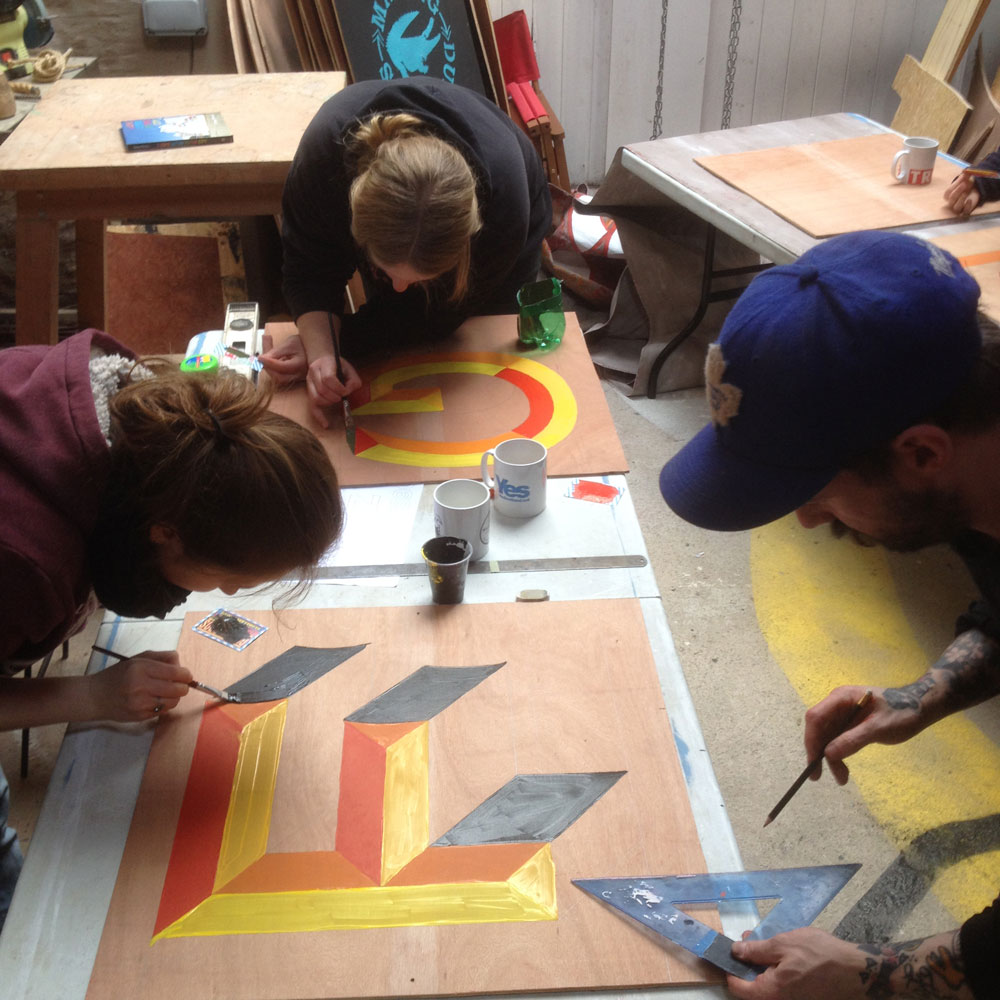
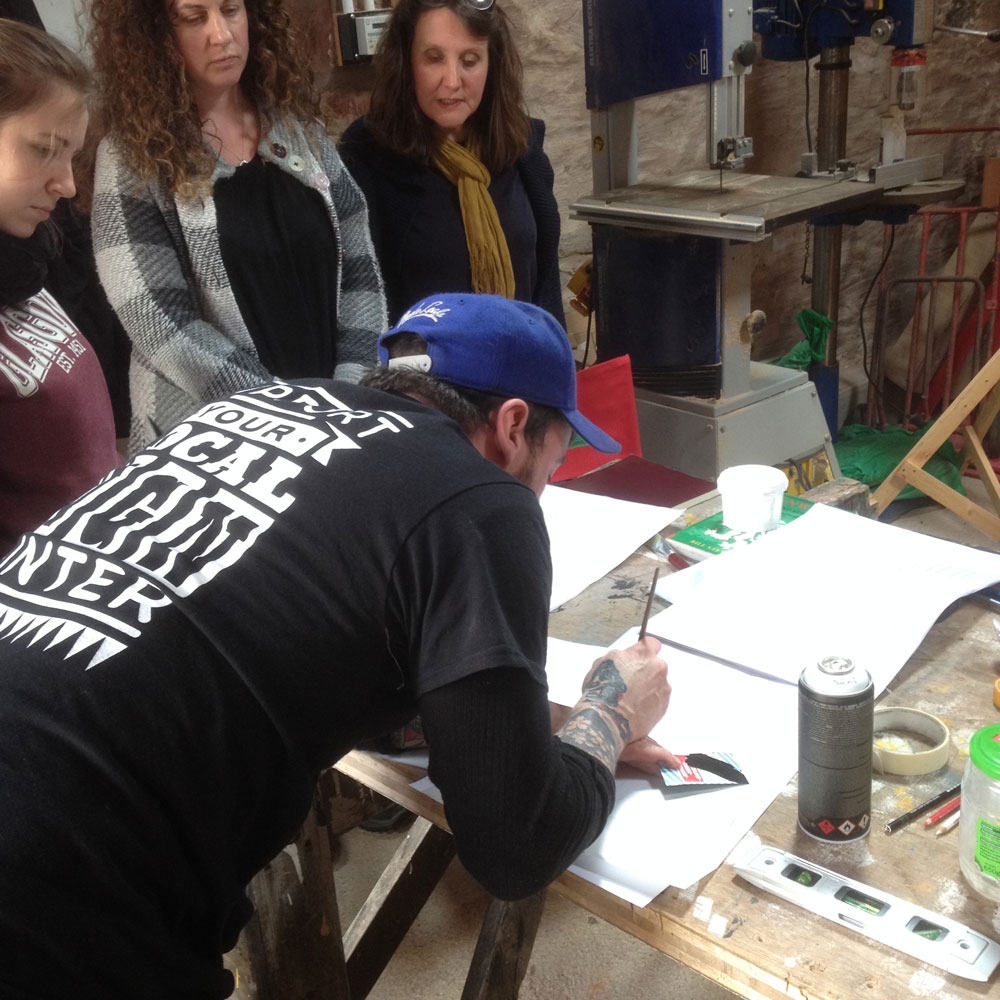
Today our new friend and sign painting ninja Ciaran Glöbel led a group of Stove members in an inspirational workshop on the art of hand painted lettering.

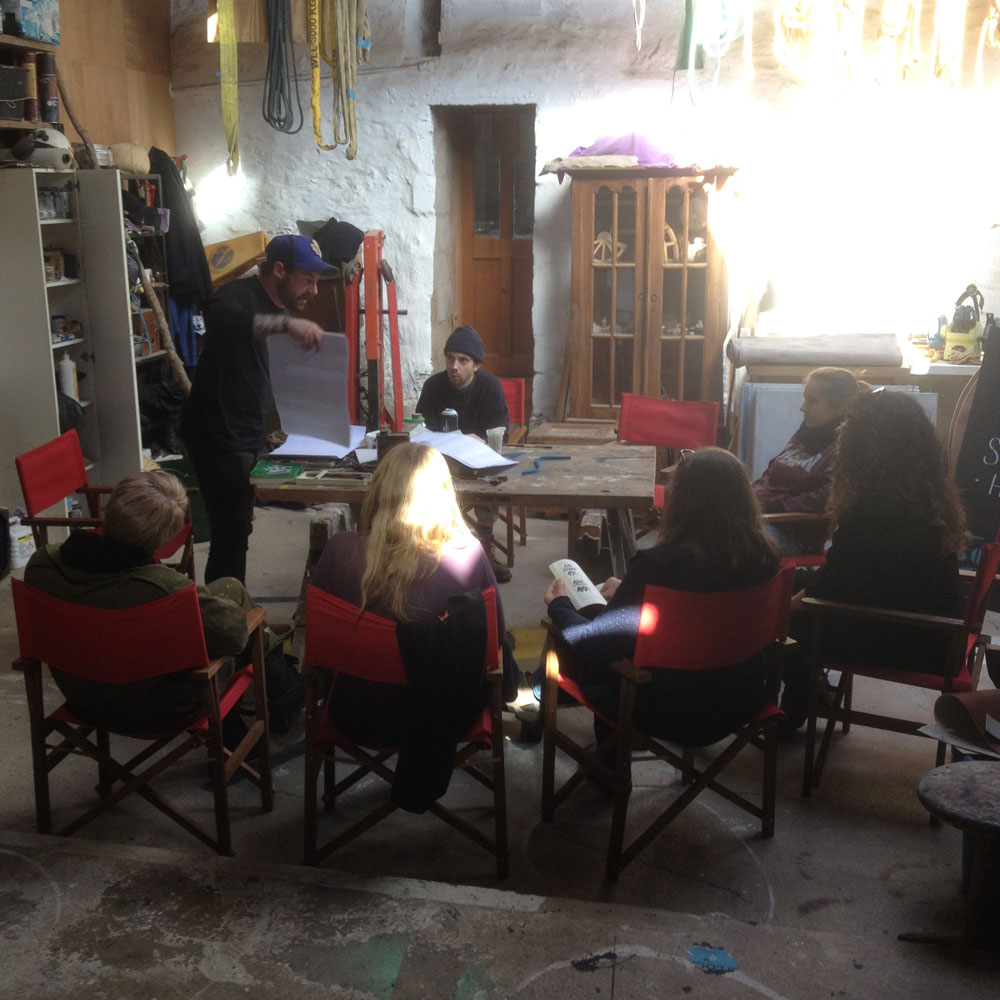
There is a resurgence of interest in the traditional art of sign painting – this is partly because the sameness and ubiquity of computer generated plastic signage is wearing thin and partly because street artists (graffiti etc) are rediscovering the old arts of hand painted signage as a language for their work. Ciaran Glöbel is good example of this – he is a street artist who for the last two years has been making a living as a sign painter.
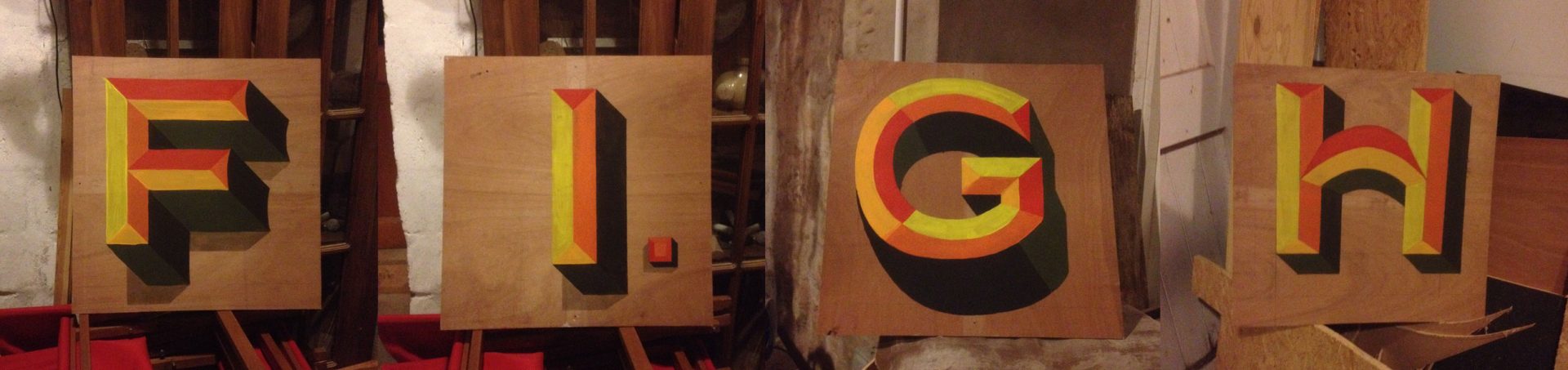
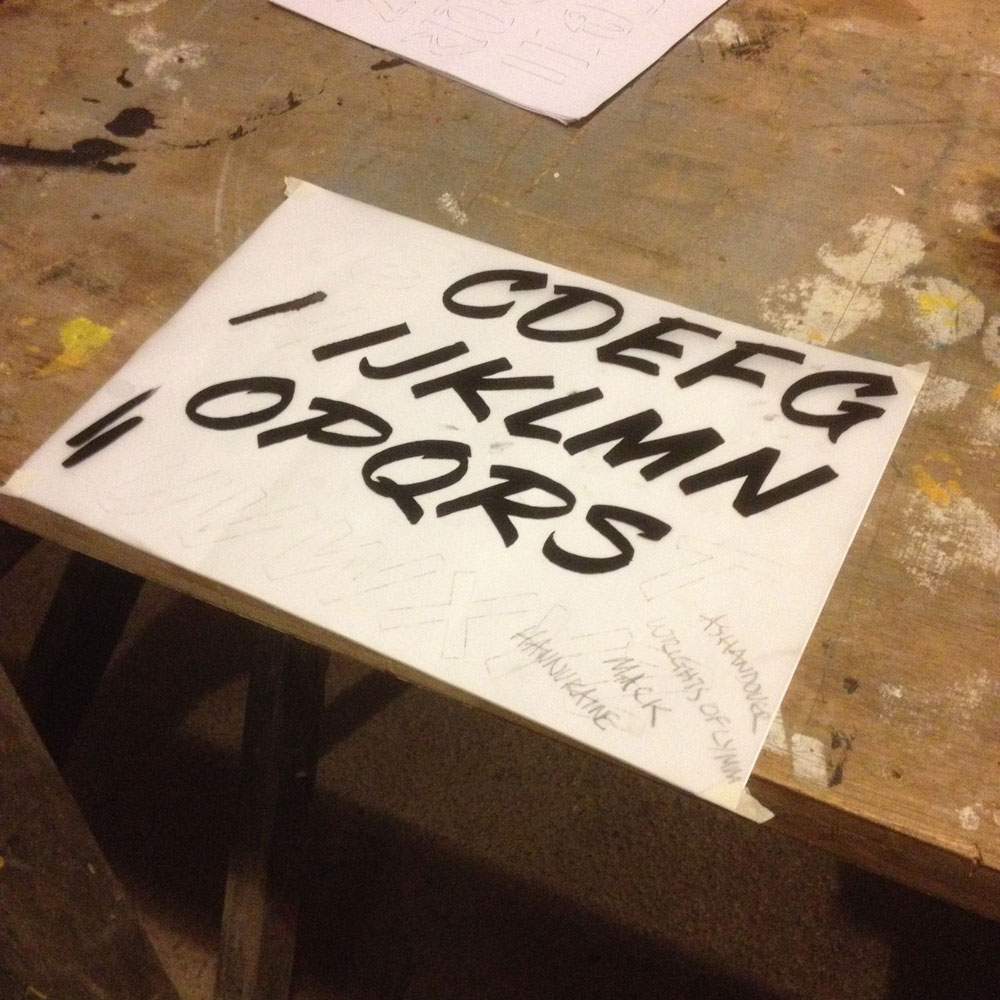
The day was rounded off with a public screening of ‘Sign Painters’ a movie which is a moving call to arms for artists to take to the streets and bring back the quality and originality of bespoke designed and hand made signage and street art.
‘I think every human being has the ability to alter their own environment with their bare hands.’ ……absolutely goddamn right!
Just imagine how different Dumfries High Street could look if all the independent traders had hand painted signage by local artists? #MakingDumfries
Thanks to Katie for organising everything and Ciaran for being so generous with his knowledge and having great banter

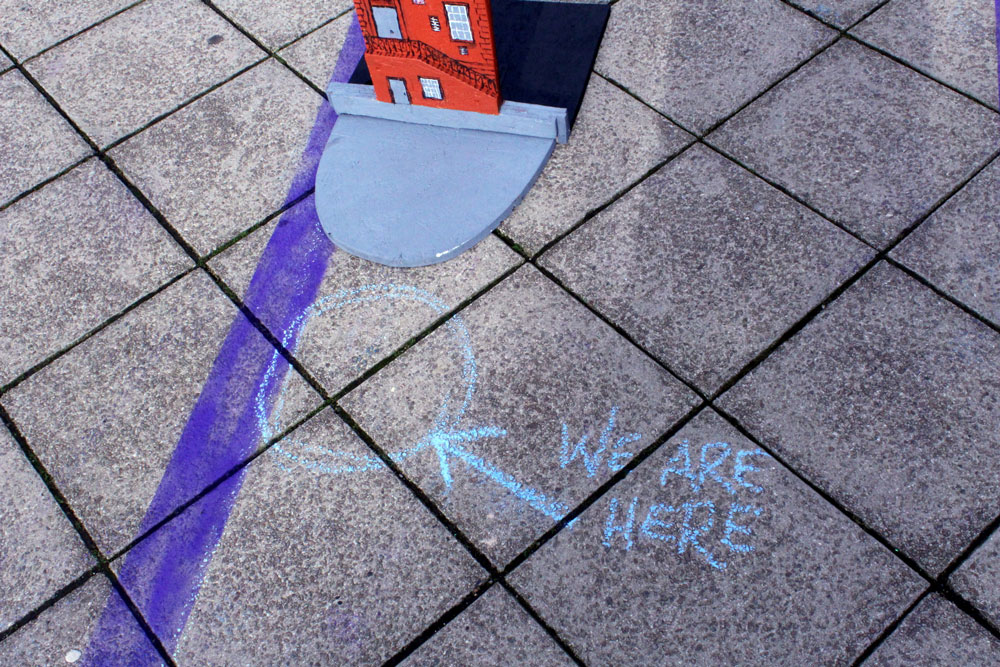
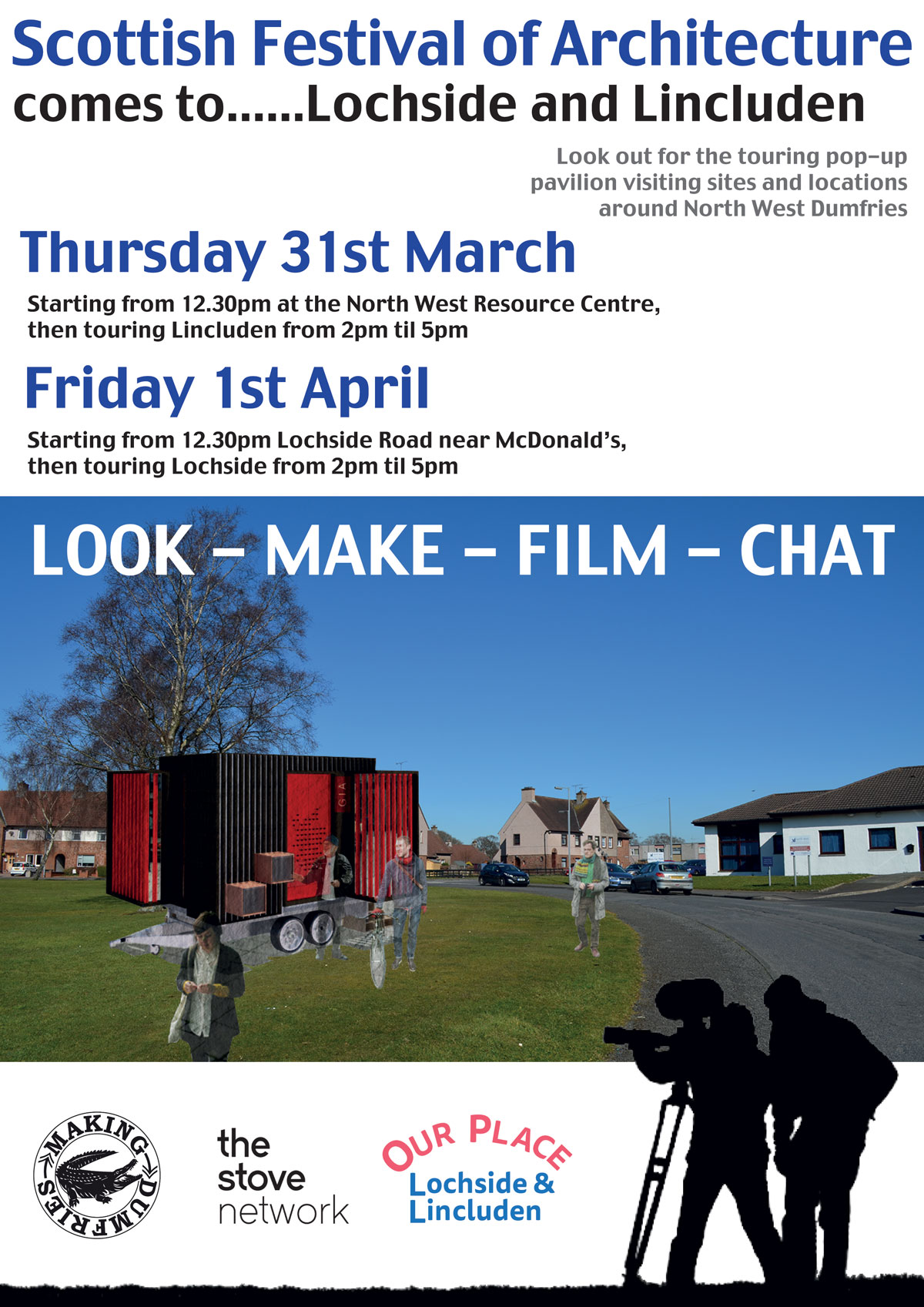
We have the use of the Scottish Festival of Architecture’s Travelling Pavillion all week – so we thought we’d take it on a wee tour of Dumfries. On Thursday 31st March you’ll find the pavillion in and around Lincluden and on the 1st April keep your eyes peeled in Lochside. These days are part of the Our Place project for NW Dumfries and mark the beginning of The Stove collaborating with locals in the area about future cultural activity in DG2.
If you are interested to find out more and/or be involved in the project – please get in touch at [email protected] or call 01387 252435
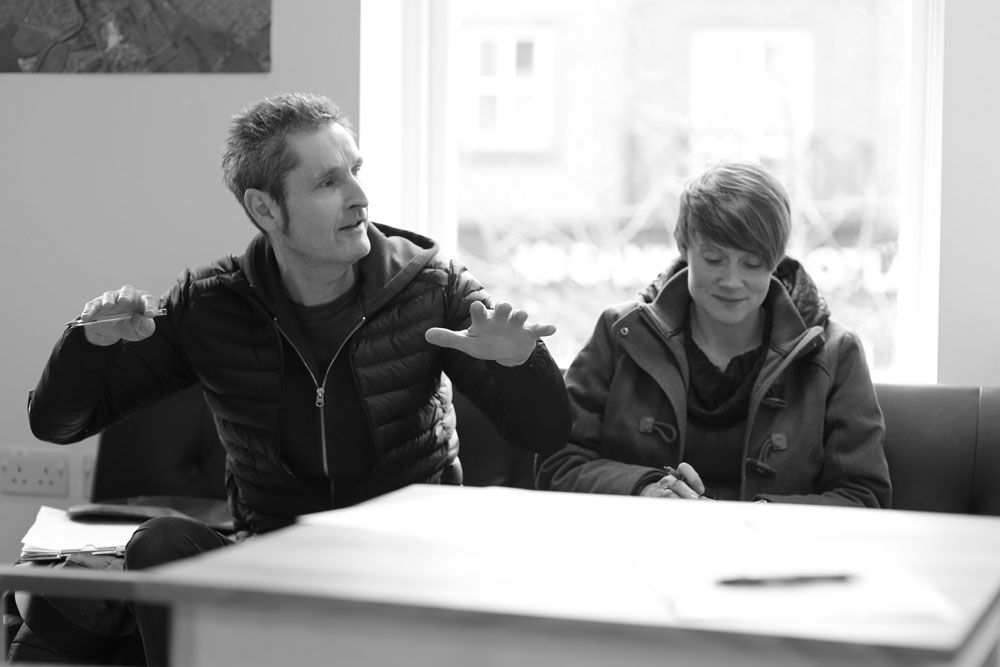
Jo Hodges and Robbie Coleman were appointed as artists-in-residence to the Art_Inbetween project – they began their engagement with the project at the Art_Inbetween Summit and are now working with ideas formed at the event…..
‘We’re delighted to have been commissioned to make new work in response to the ideas and themes discussed at the Art_Inbetween Summit held at The Stove 25/26 Feb.
The cross sectorial summit brought together people working in ‘Inbetween’ places – towns, villages and other rural areas, to recognise, re-articulate and explore the distinctiveness of the contemporary rural arts scene and to share experience and knowledge. We went to the summit with the idea of keeping our minds open and listening, but the discussions were such, that it was hard to maintain a watching brief and we ended up getting fully stuck in.
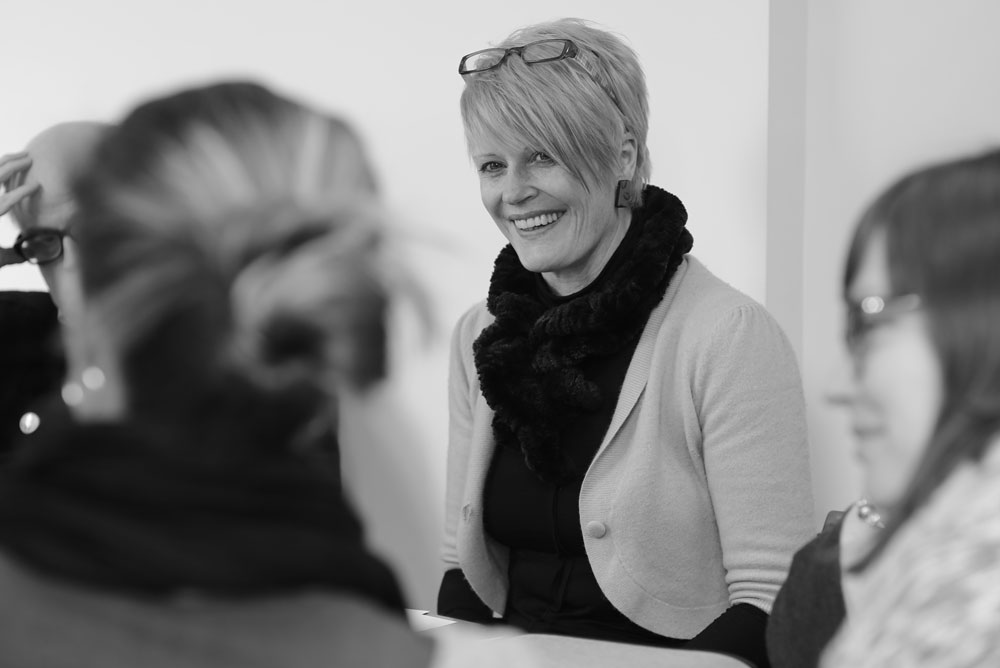

The workshops were open formats for conversations around; art as activism, the potential for creating new structures and ways of working in Inbetween places, strategies, communication and networking in rural contexts, cultural high streets and challenging traditional methods of evaluation. Download the Art_Inbetween Summit Pack
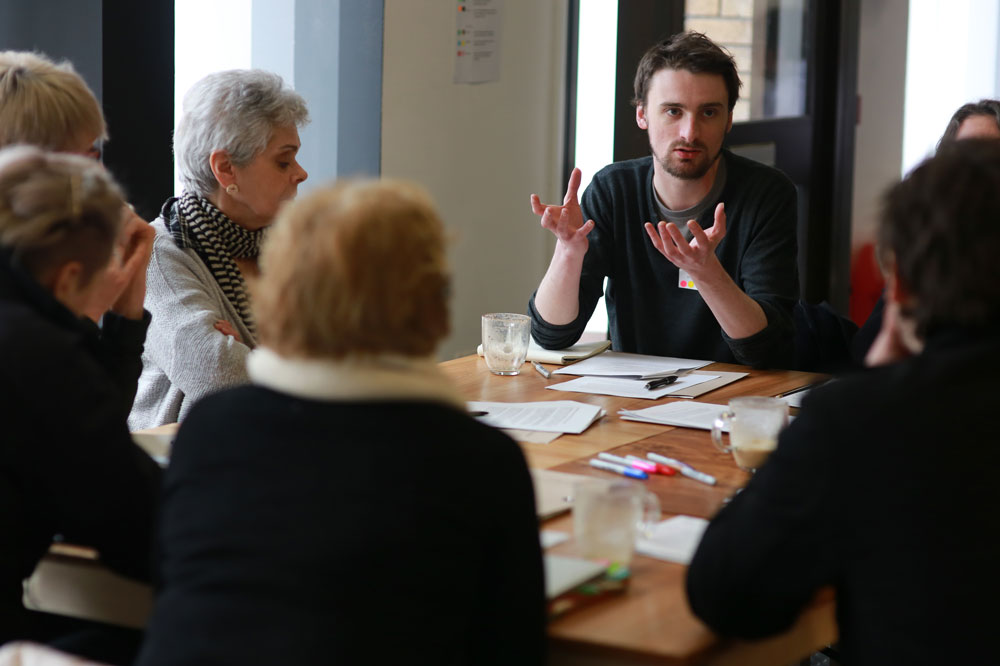
In practice the workshops extended their reach to question the language and concepts that were used as starting points. There was much talk around what constituted ‘the rural’ and what that might mean for contemporary arts practice. Were new narratives / visions needed and what role could artists have in facilitating/creating these? There was a realization that there was a lack of clear definition around these ideas and terms and we’ve been left with an interest in delving deeper; what is it about this context that creates possibilities for new forms of art practice?
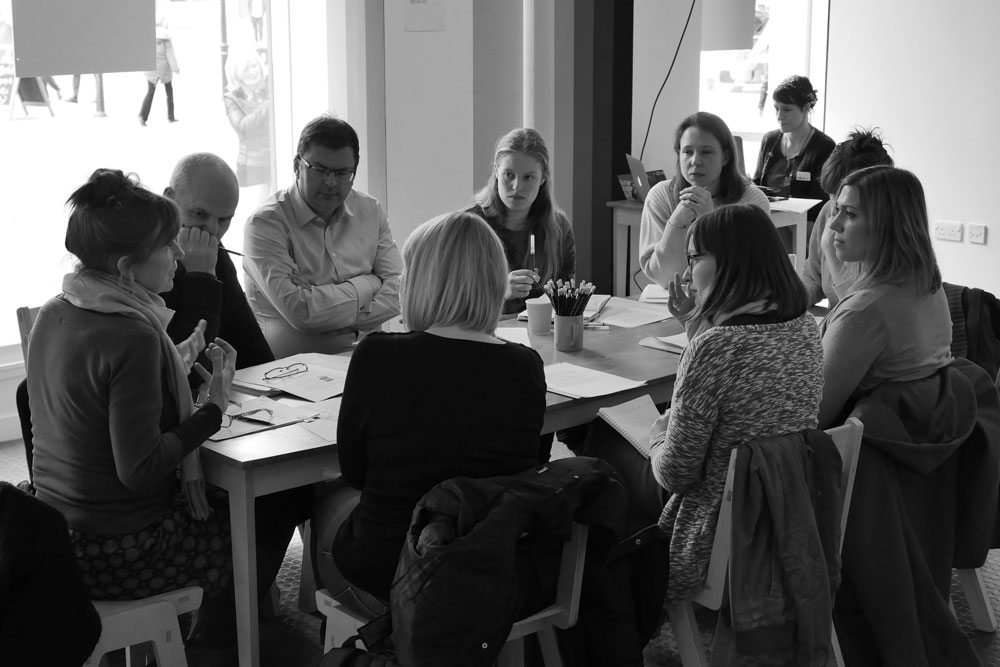
Other recurring themes of interest to us were the discussions on democracy and participation and how art may make visible/curate/ engage with civic processes. This fed into the general consensus that art practices and processes can act as active agents in thinking about and creating positive social change. We were also interested in the conversations around working collaboratively using models of co-creation across sectors / disciplines and the need to take risks in order to move into new territories of practice with transformational possibilities.

There was much talk around ideas of developing new models for evaluation of arts projects that were more relevant to the rural context and how evaluation could be built in as a creative element of any project rather than something to be done ‘later’. There was discussion about networks of various sorts and how vital they were in contributing to the resilience of ‘Inbetween’ arts practice.

The second day was for more focused work with partner organisations from The Highlands, Wales and Northumberland. We were led in this by Sam Cassels who moved participants at a hair-raising pace using specific questions and provocations in order to quickly arrive at ideas for projects that had the potential for being developed further.
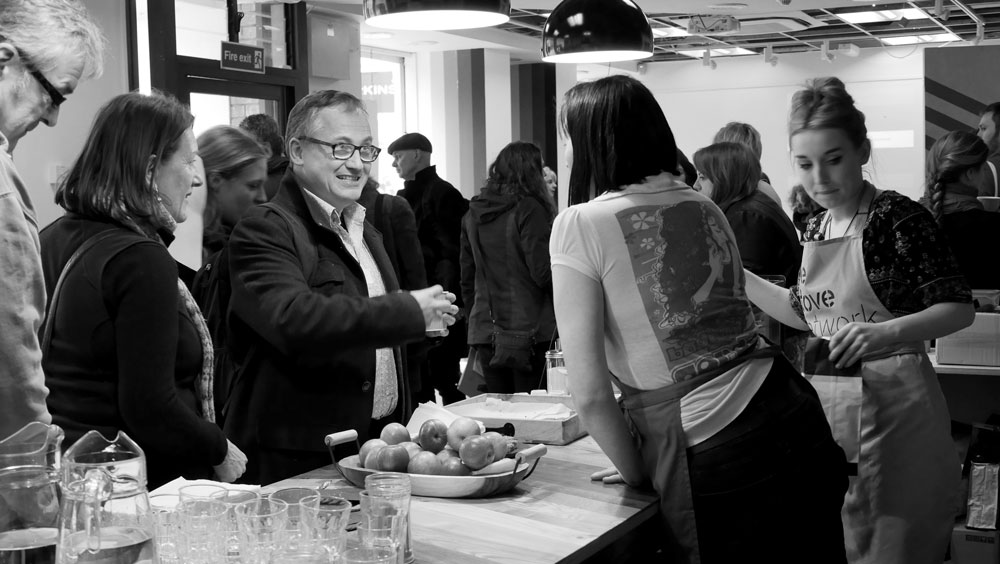
The summit was buzzing with people, conversations and ideas. It was hugely successful as a forum to share and engage with the issues in contemporary ‘Inbetween’ art practice and attracted delegates with a wide and deep interest in the subjects at hand from a range of contexts across the UK. The structure of ‘less presentations – more open discussion’ allowed for conversations to develop and commonalities to surface and be articulated.

From our point of view, as artists tasked with responding to the reach and vibrancy of these conversations, we are now starting to look for patterns, undercurrents, seams and overlaps. As a shared practice we don’t have a regular recurring methodology, but conduct conversations that evolve over time, gradually finding paths that lead us somewhere/nowhere. Currently we are at the beginning of that process.

Since the summit we have found ourselves looking at our own practice (shared and individual) and have realized that it straddles the conventional rural/urban divide in ways that we had not considered before, an area that we will try and explore and articulate as part of this commission.
We have been left with a palpable feeling of excitement about ways of working outside the urban, centralized setting and the potential for developing this model of integrated working in ‘Inbetween’ places. Our challenge now is navigate a route within this enormously rich and evolving context.’
To contact Jo and Robbie – please leave a comment on this blogpost or email [email protected]
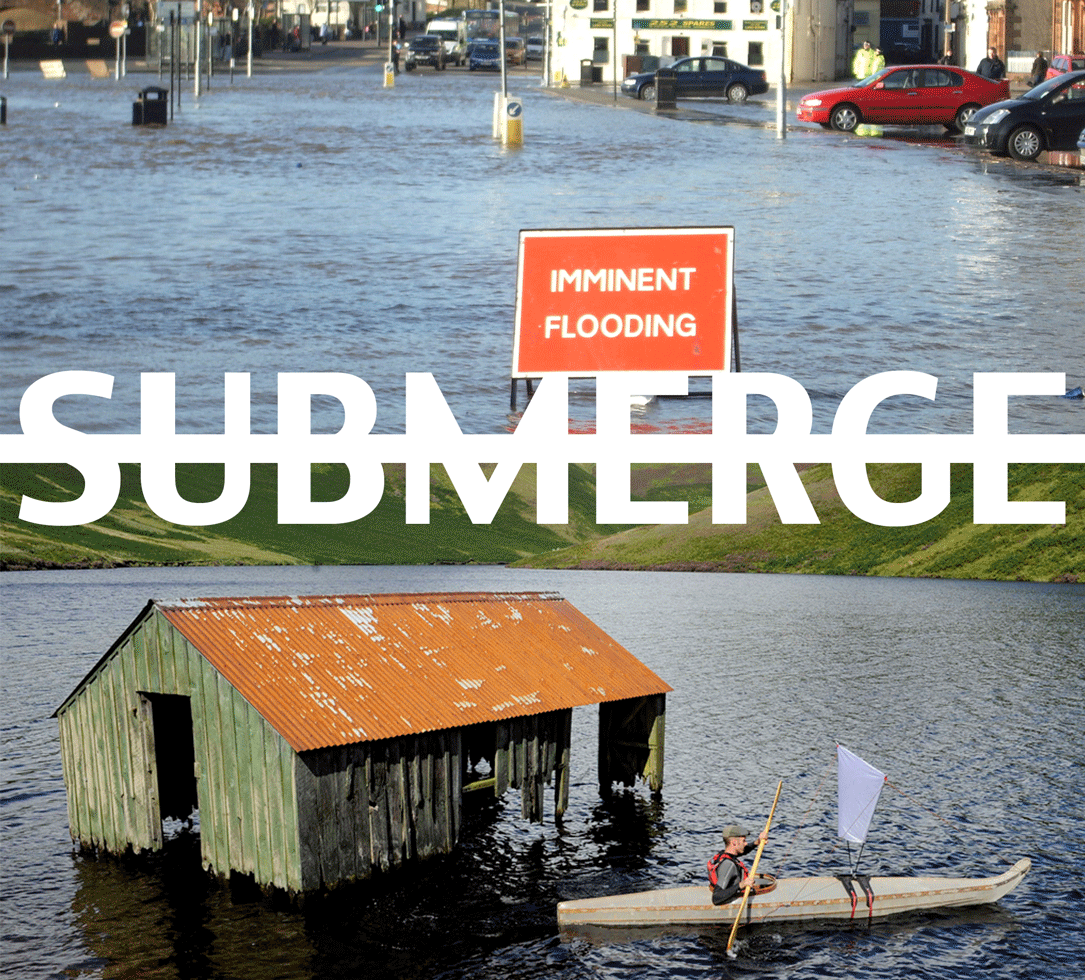
SUBMERGE offered The Stove the opportunity to imagine a Dumfries of the future—a future predicted to be up to twice as wet by the end of this century.

As we prepared for SUBMERGE, our local council unanimously voted for a plan to build a physical structure along the edge of the River Nith, aiming to hold back the surges in this spate river and prevent the flooding that has been a feature of the town since records began. Hard as we searched, we could not identify the longer-term vision for the town that the barrier plan was intended to align with—how did the barrier contribute to a future for Dumfries, we wondered? The only answer we could ascertain was that it aimed to make a small area of the town more attractive to property developers. The strategy of attempting to attract private investment to revitalise the town has been the mantra for the past 20 years; however, it has not been successful and appears increasingly questionable amid the decline of 20th-century capitalism, which is failing to deliver well-being for the majority of the population in Scotland.
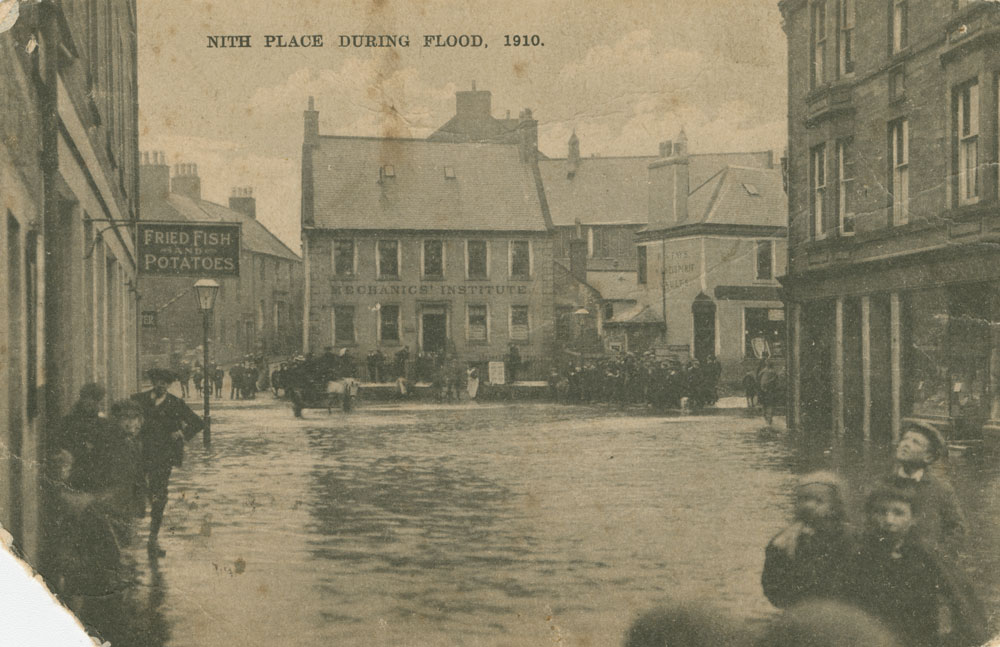
The Stove issued a call for people to join a group that would take an alternative approach and imagine a future where increased rainfall, sea levels, and river surges could be seen as an opportunity. We sought to reimagine Dumfries as a River Town—a place that embraced its environment, a place that Lives With Water.
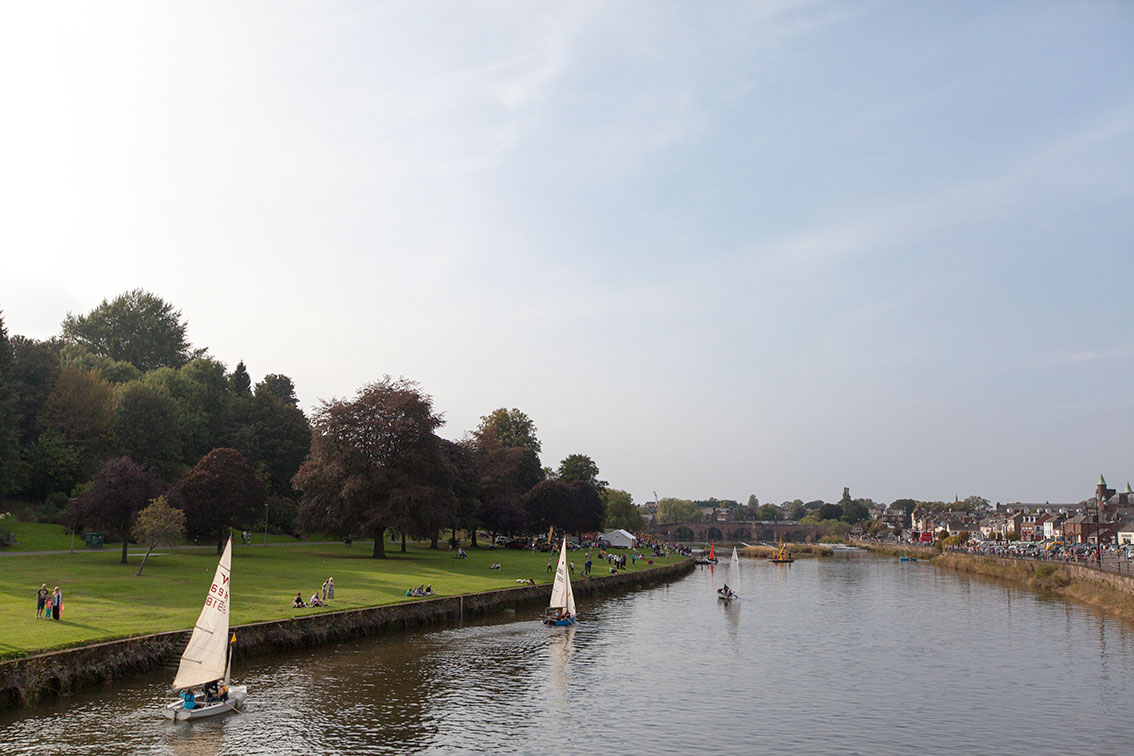
In this plan, the banks of the River Nith are rewilded as riverbank through the centre of town. These new spaces are integrated with existing green spaces adjacent to the river to create a green corridor along the Nith, which is utilised for a combination of food and energy production, leisure, culture, and education.

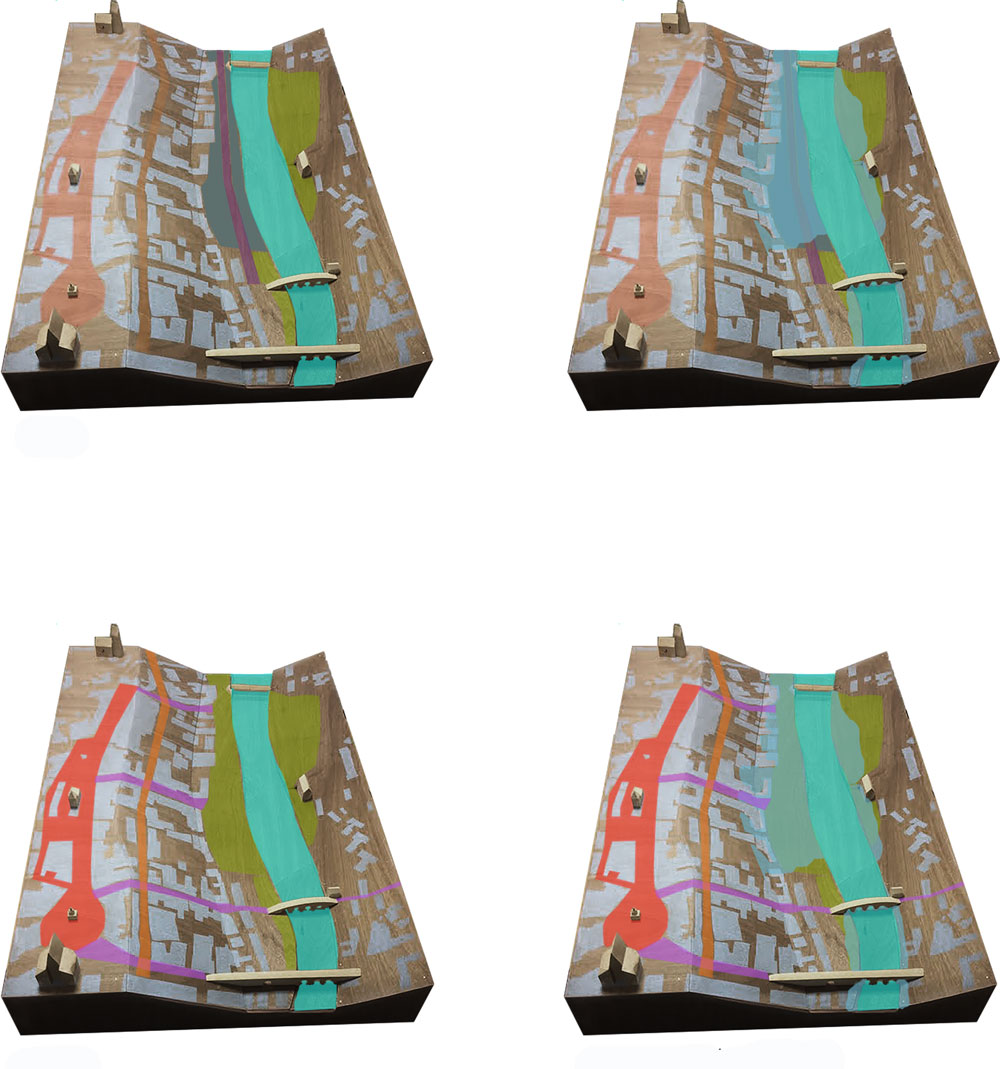
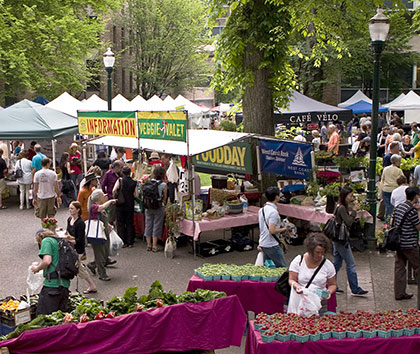
“The commercial district of the town centre is condensed and centres on its traditional functions: serving as a market for local producers, a meeting place, and a centre for culture and heritage. As the transport hub for the region, Dumfries acts as the gateway linking national and international relations to the broader region of South West Scotland.
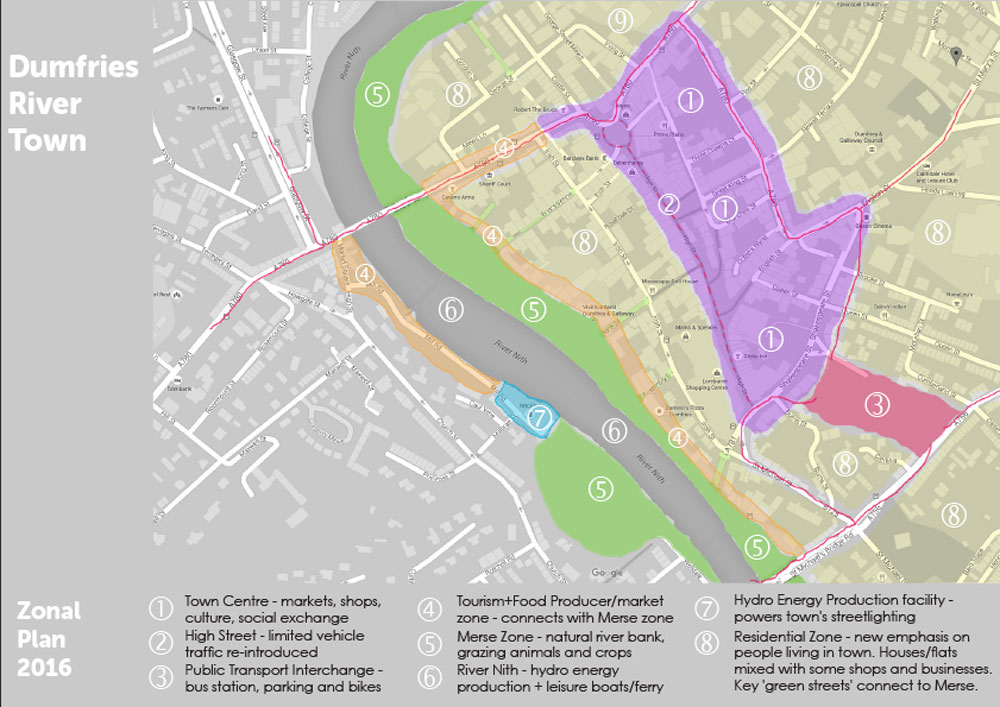
The area immediately surrounding the High Street and Market Square is converted to residential use, with urban smallholders and makers capitalising on the proximity to the market for their excess production, bringing vitality to the town centre throughout the day and night.
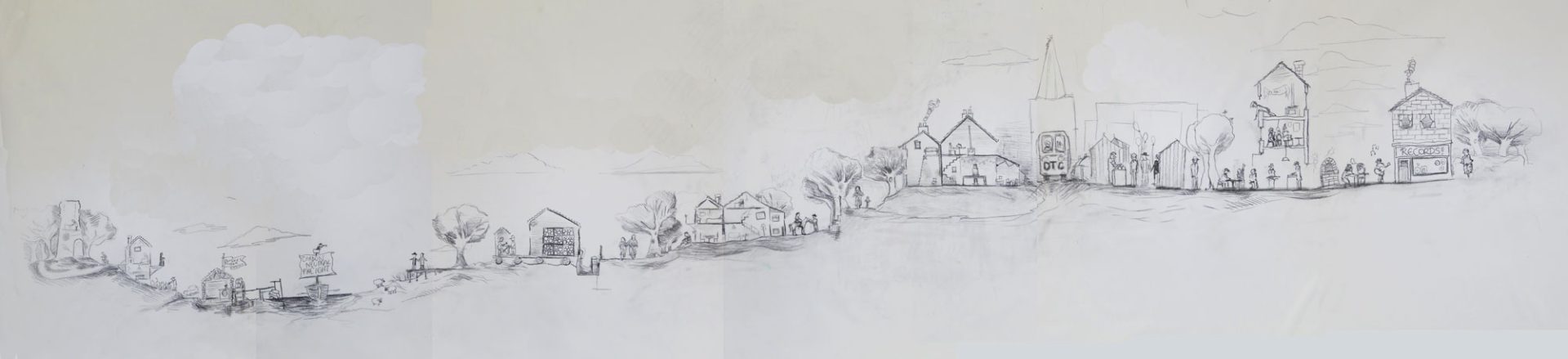
This vision was presented in a document titled ‘We Live With Water’, which was written from the vantage point of Dumfries in 2065 and featured commentaries by local writers reflecting on the future from a retrospective perspective.
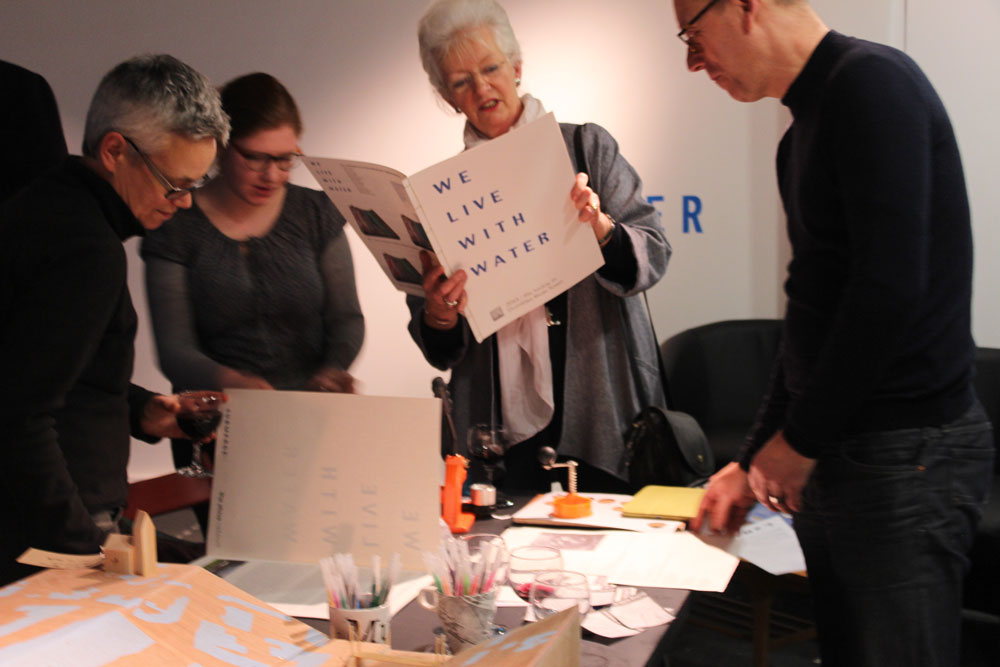
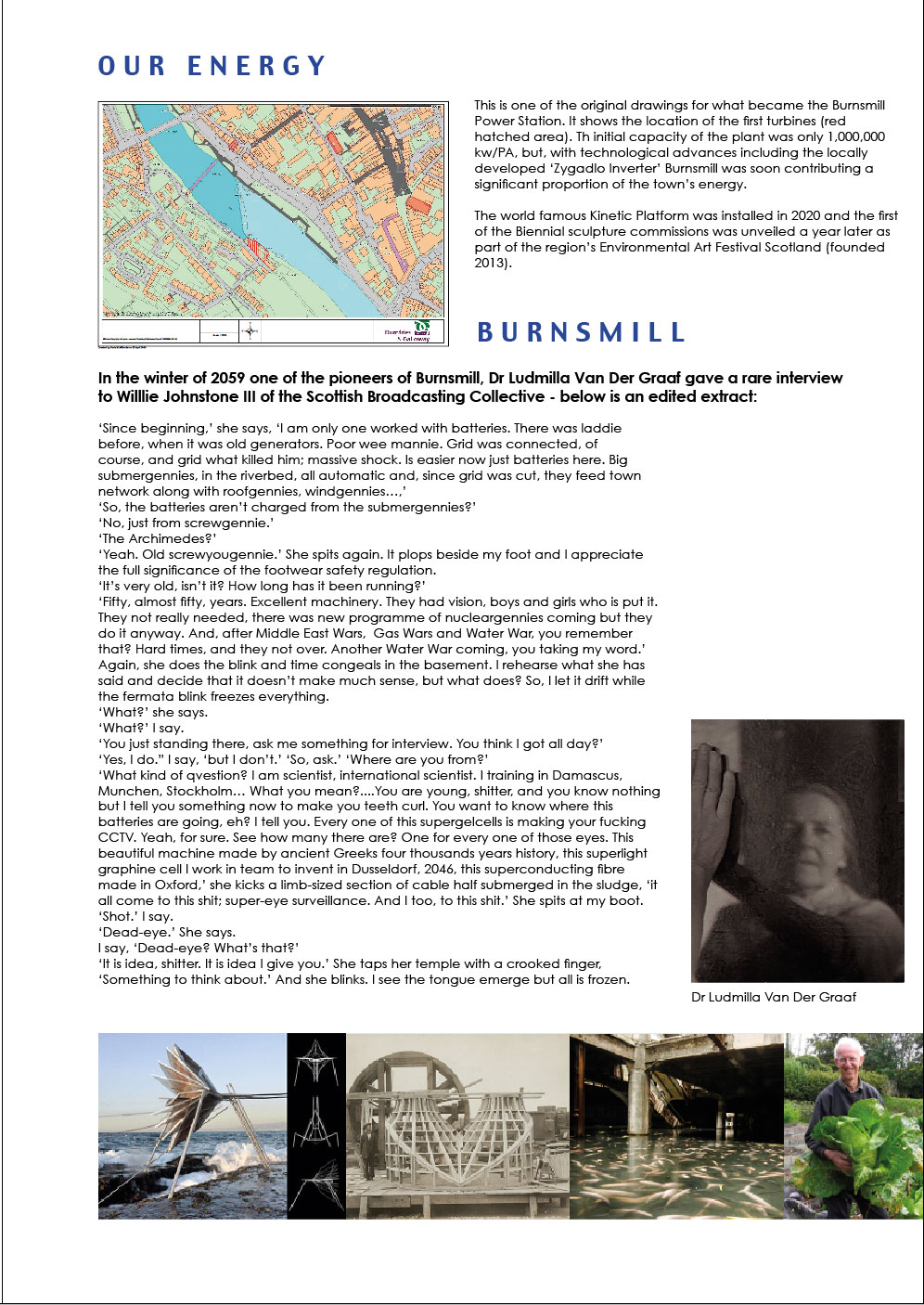
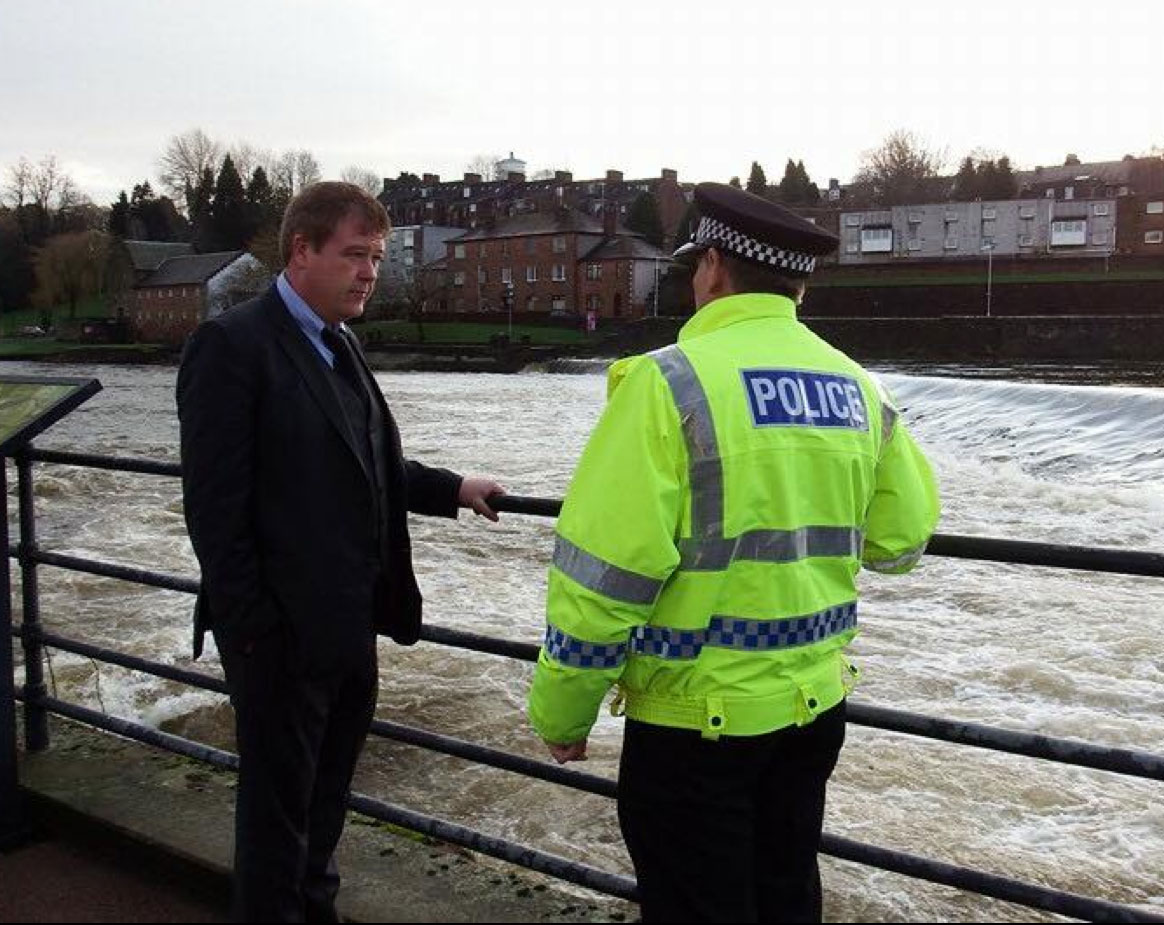
Richard Arkless MP visited his constituents in Dumfries on Monday, 7th December 2015, to inspect the aftermath of the flooding from the previous weekend. During his visit, he heard rumours of an alternative plan for the town and the river and obtained a copy of We Live With Water to take back to Westminster as a potential way forward for our town.
We Live With Water was coordinated by The Stove Network and included contributions from:
Katie Anderson
Kate Foster
Rita Pacheco
Alyne Jones
David Slater
Mike Bonaventura
Lee McQueen
Matt Baker
Mark Zygadlo
Ivor Gott
Stuart White
Mary Smith
Lauren Soutar
Rhiannon Dewar
Linda Powell
Katharine Wheeler
(and some anonymous writers)