Support Us
Categories
News

Lochside Public Art Project: New Artists!

Following our recent call out for artists to work on two new commissions as part of the Lochside Public Art Project, we are delighted to introduce the artists that were selected! The application process was highly competitive, with a variety of brilliantly different artists applying from across Scotland to work on the project.

The Lochside Public Art Project consists of four separate projects, two currently ongoing, and these two new projects that are just starting, all four will be completed by the end of the year. The project has been created by The Stove Network in partnership with DGHP, (Dumfries and Gallloway Housing Partnership) to create new permanent artworks as part of their new housing development, The Meadows, in Lochside, North West Dumfries.

Our call out was for two separate commissions:

Corners and Offcuts
A commission to look at ‘left-over’ and ‘in-between’ spaces around the new housing development, that can create interesting places for residents to pause, and can utilise some of the underused parts of the site. For this project we have commissioned Susheila Jamieson and James Gordon, artists and stone carvers based in the Borders, and have previously worked on Summerhill’s Land Art project. More about their previous works available online here
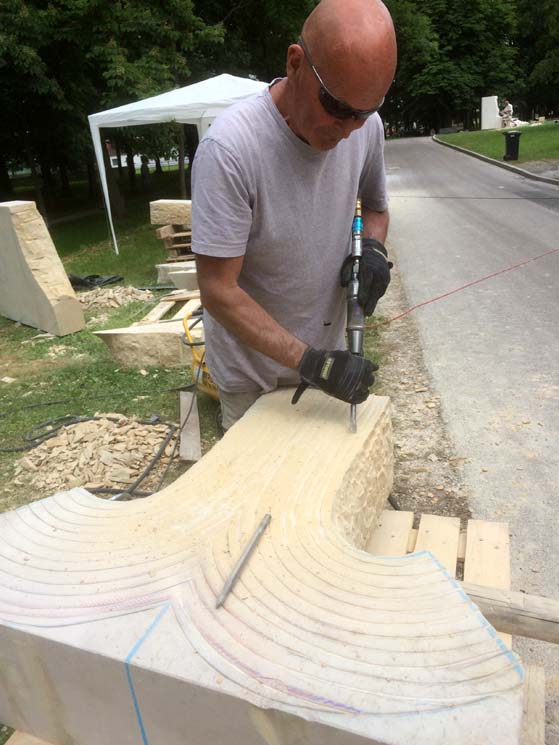
‘Jamieson and Gordon are a design company specialising in creating public and socially engaged art installations in the UK and abroad. Susheila Jamieson is a professional sculptor and arts educator, and James Gordon, a landscape designer, also sculpts. We produce commissioned artworks in consultation with local communities. Cultural heritage and other aspects of place are often a starting point for developing ideas. Much of our work is abstract and is often inspired by the wider landscape and aspects of nature. Past commissions include work for Woodland Trust Scotland, Newcastle City, East Lothian, South and North Lanarkshire, Clackmannanshire and Dumfries and Galloway councils, Sustrans and various housing associations.We use materials that enhance or reflect the environment including Corten steel, green oak, stone, galvanised steel, ceramic, bronze and glass. Our work is unique, robust and intended for outdoors.

Developing designs for artwork is often undertaken in conjunction with community/stake holder groups, and we enjoy working with and running workshops for varied groups including schools and adults.

We are delighted to have been selected to create new work for Lochside. We have worked in Dumfries before and know that different areas of the town have different identities. We are keen to create work that reflects and celebrates the unique character of DG2.   The artworks will be “carved in stone” and we are looking forward to working with the local communities of Lochside and Lincluden to develop ideas and designs. “Taster workshops” are being planned where local residents can come and try stone carving and tell us what they would like to see incorporated into the artwork – these will be advertised on the Creative Futures facebook page, and in the North West Dumfries area.’
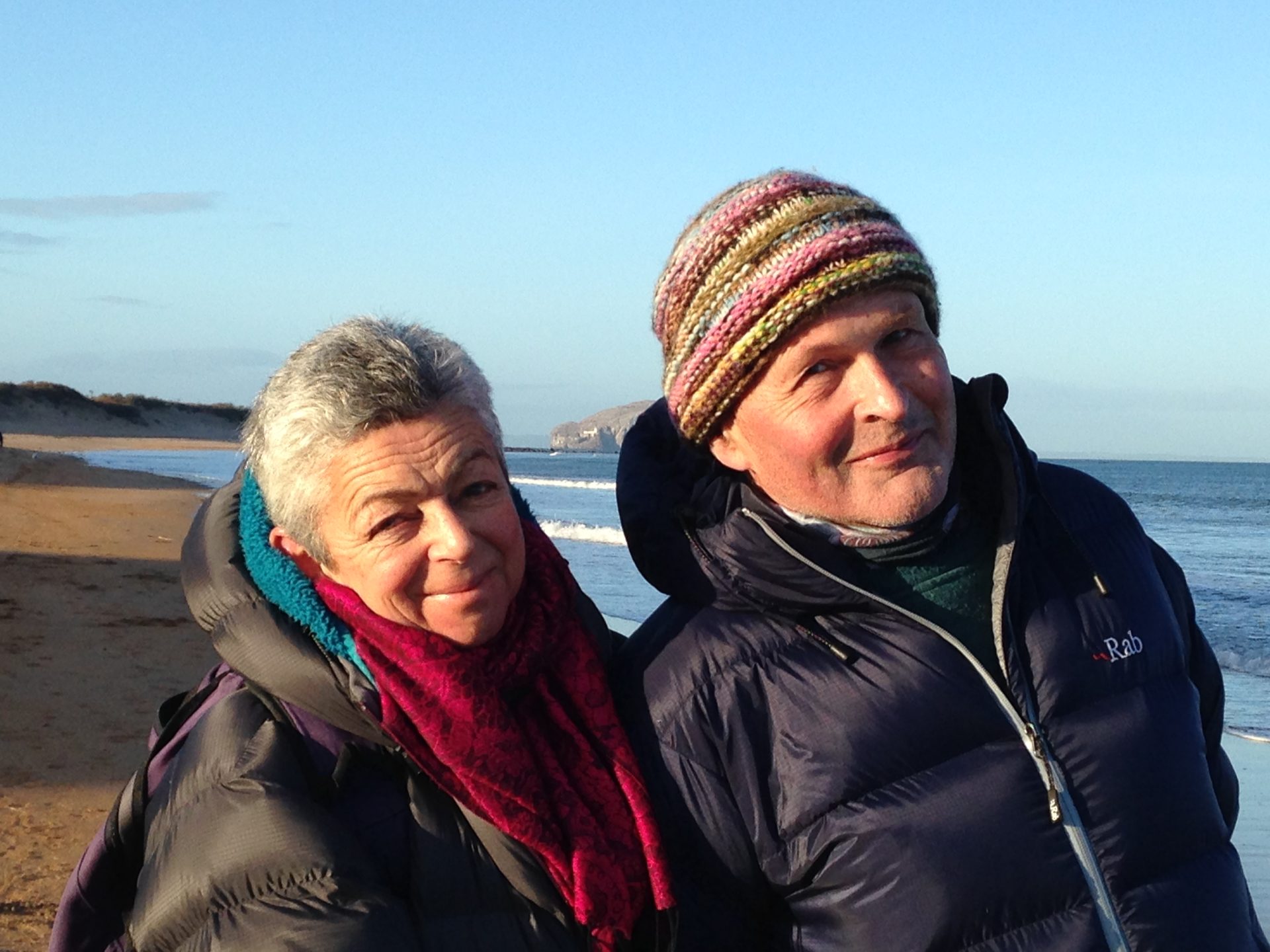
Susheila Jamieson and James Rachan – new artists for the Corners and Offcuts commission!

Signs and Symbols
Our second commission, Signs and Symbols looks to create a new visual presence across the Meadows site, taking inspiration from the wildlife and environment of the surrounding areas, the new housing styles, and ideas from local residents. For this project we have commissioned Glasgow based Design by Zag, graphic design company ran by Kat Loudon and Kirsty Geddes. More about their previous work available online here
‘Design by Zag, run by Kat and Kirsty, is a design company based in SWG3, Glasgow. As trained graphic designers, we have a strong focus on research which we use to formulate ideas, drive concepts and create relevant and meaningful projects.

We are delighted to be have been selected by the Stove Network and DGHP to work on the Signs and Symbols commission. We look forward to meeting the people of Lochside to create this piece of work for the local area.’
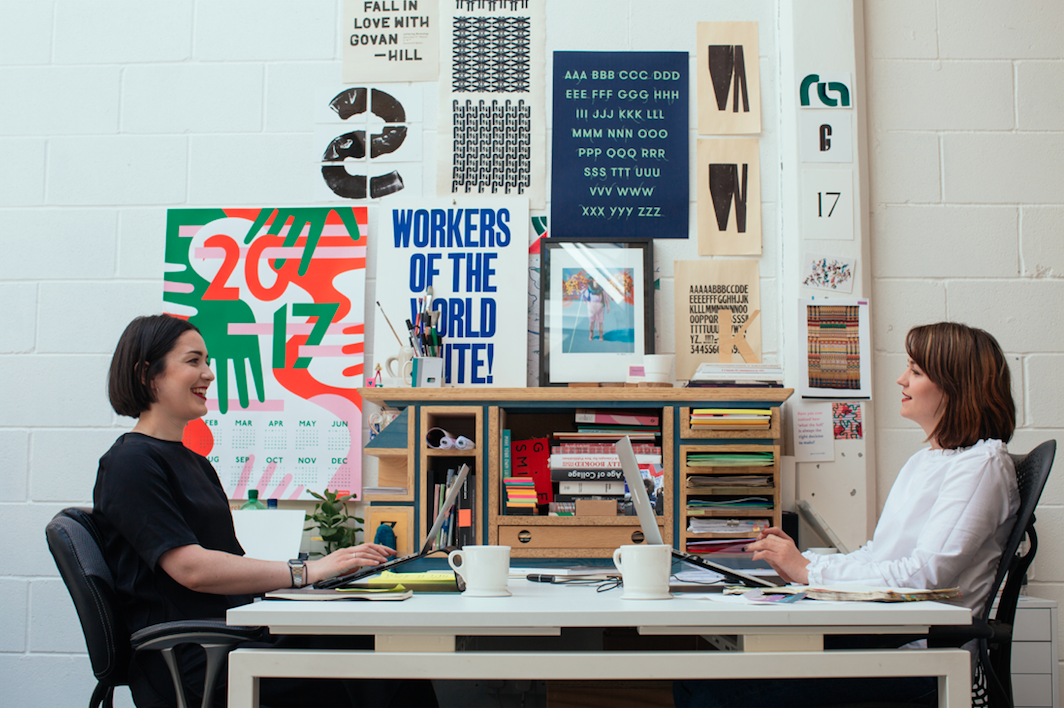
Kat and Kirsty of Design by Zag: new artists for the Signs and Symbols commission!
Categories
News

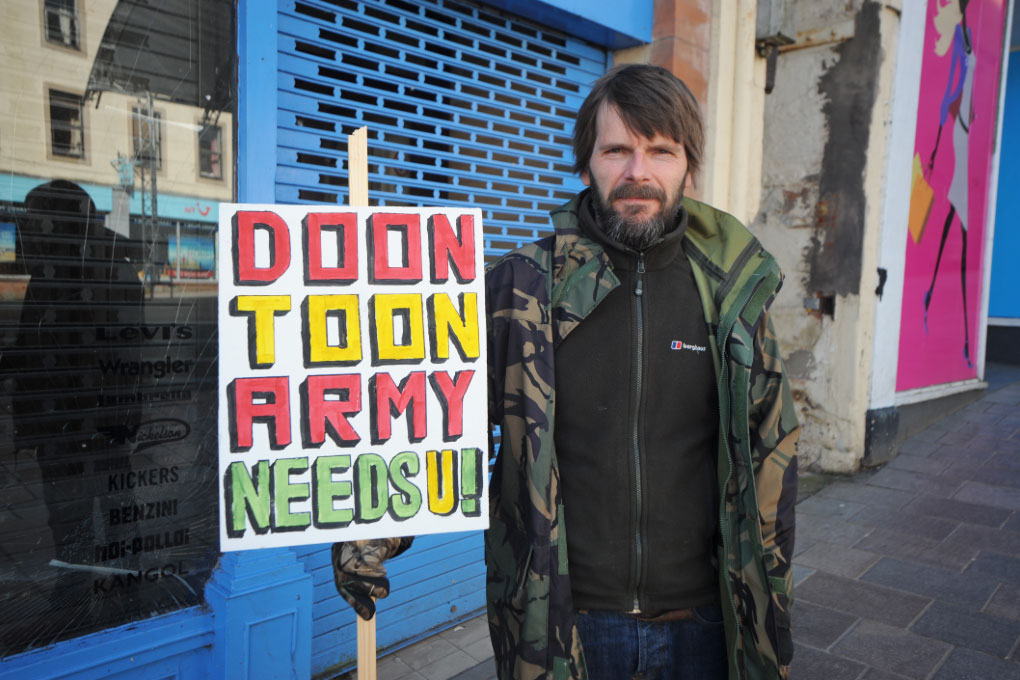
The Doon Toon Army Needs You!

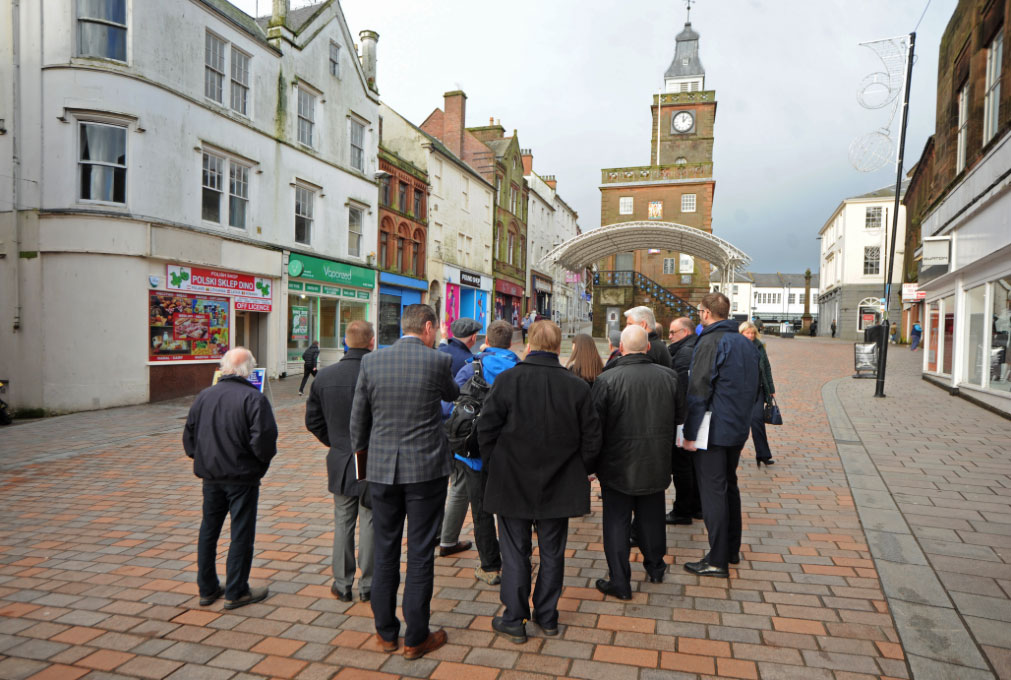
The Midsteeple Quarter Project is looking for members of the public to join them in taking back control of the High Street and be part of practical projects and practical improvements for the town by joining the ‘Doon Toon Army’.

Kevin Reid, Creative Producer for the Midsteeple Quarter Project, is hoping that all the various community groups working hard around Dumfries will join together and form a civic army which we are calling the ‘Doon Toon Army’. Power in numbers as it were, with the outlook of working together to rejuvenate the failing High Street through events, street cleans, painting and redevelopment.


The Midsteeple Quarter is a means by which local people can once more create a town centre that brings opportunity and prosperity for everyone in our community. Everyone can join – it is something that everyone will own and be able to have an equal say in directing. Kevin Reid and the Midsteeple Quarter team are looking for support from the people of Dumfries to volunteer and be part of their community army, making practical improvements in the town and putting pressure on building owners and the government to ‘Do Right by Dumfries’.

A Community Benefit Launch for the Midsteeple Quarter Project will take place on Saturday 7th April around the Plainstanes by the Midsteeple from 11am -3pm, where members of the public will have the opportunity to learn more about the project or sign up to help in any way they can. They encourage people to get involved, spread the word and be part of making a town we can all be proud of once more.

26230476_1647381418641759_7095772103159011077_n

The Midsteeple Quarter idea was built on five years of research and consultation with the local community carried out by the local community. Long-term and careful consultation facilitated by The Stove Network, Dumfries High Street Limited and other partners found that there is a wide range of different ideas for what the town needs, but the majority of the responses highlighted the need to bring more people to live back in the town centre. This will create more life during the evenings, make greater demand for services and shops and bring a greater variety and richness to the place.

Categories
News Project Updates

Dumfries Town Centre Plans Showcased at National Event

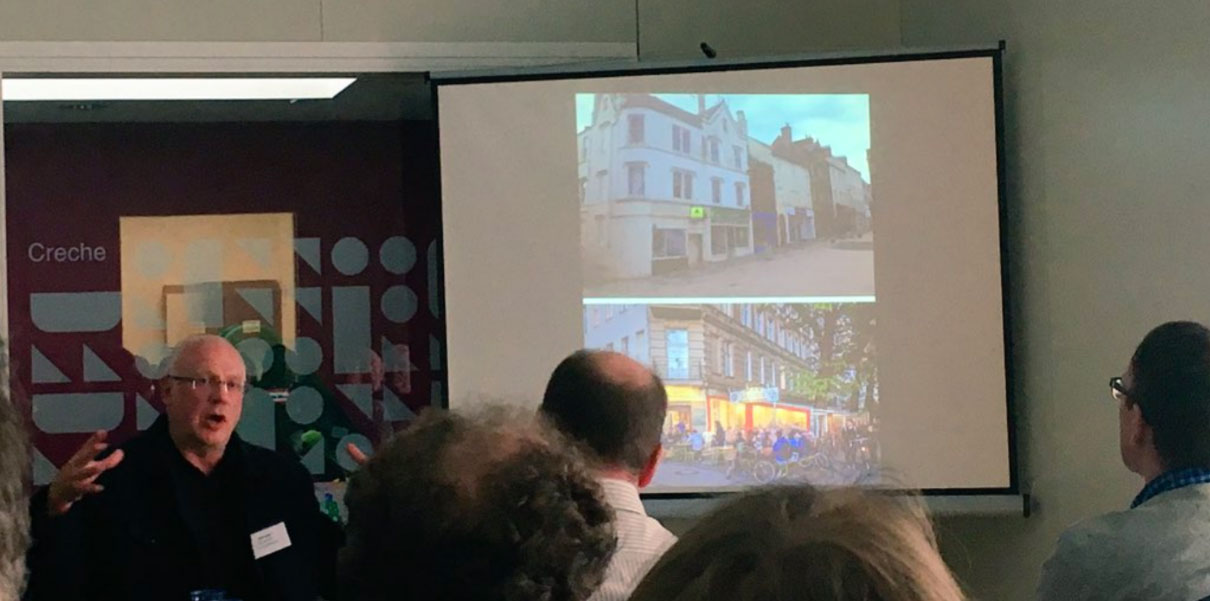
The Midsteeple Quarter Project in Dumfries has been presented as a case study at a national conference on community land ownership in Glasgow. The event, which took place on Tuesday 6th March, was led by Community Land Scotland – a registered charity which was established as a response to the need for a collective voice for community landowners in Scotland.

Our very own Matt Baker delivered the presentation last week, and commented on new legislation from Scottish Government which has made places with a population of over 10,000 people eligible for community buy outs of derelict buildings and land that is blighting their communities. For years, absentee landlords have been able to hold our High Street to ransom – this national event in Glasgow showed that Dumfries is one of the towns in Scotland that is leading the way for local people to take back control of their town centres.Up until now, communities taking ownership of their land has been a rural affair, with high profile examples such as the Islands of Eigg and Harries and Assynt in the North West mainland. The event on Tuesday addressed the need for urban communities to use the legislation and opportunities of community empowerment to regain ownership of empty builidings on High Streets that are owned by absentee landlords.
The Midsteeple Quarter Project is an example of community-led initiatives and has been working to breathe new life into Dumfries town centre by developing a section of the High Street as a live/work quarter. This project is a response to the desire to re-populate the town centre. Long-term and careful consultation facilitated by the Stove Network, Dumfries High Street Limited and other partners have identified a block of mostly Georgian buildings in the heart of the town centre as the site for this bold initiative that will see local people developing their own High Street.

On Saturday 7th April, there will be a public launch for the Midsteeple Quarter Benefit Society, and everyone in the community is invited to join in the effort to take back control of our High Street.
People can keep up to date with Midsteeple Quarter Project by visiting their website: www.midsteeplequarter.org.

Categories
Musings

Beyond Burns

From Dr Gerard Lee McKeever
I was delighted to have the opportunity to run an event at The Stove in Dumfries in February. They are a really exciting arts network who have been a driving force in revitalising Dumfries town centre in recent years, part of a much broader flowering of cultural activity in the region.

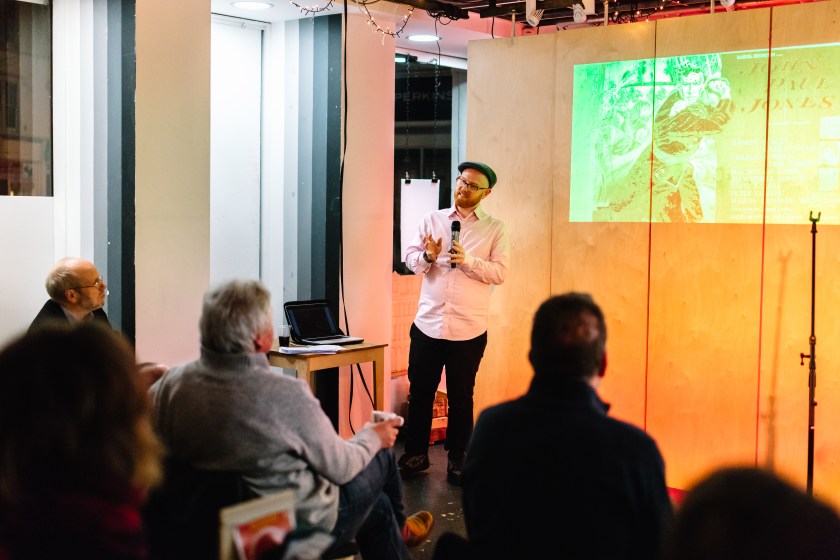
Gerry McKeever introsducing 'Beyond Burns' at The Stove
Gerry McKeever introducing ‘Beyond Burns’ at The Stove

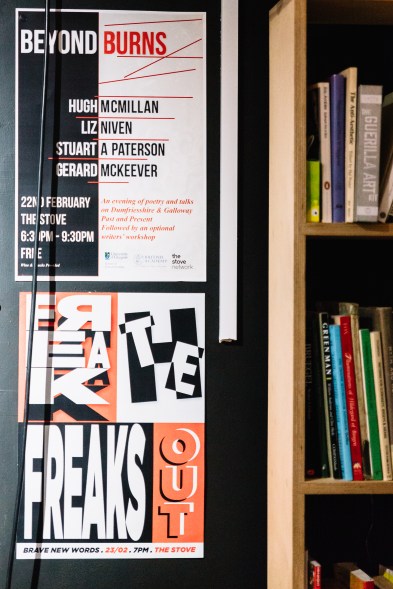
 Beyond Burns was an evening of poetry and talks about literary Dumfriesshire & Galloway, past and present – the first event funded by my British Academy Postdoctoral Fellowship. It was an opportunity to engage with the local public, aiming to inspire thinking about other literature connected to the region around the time of Robert Burns, as well as more contemporary writing.

Beyond Burns Galina Walls

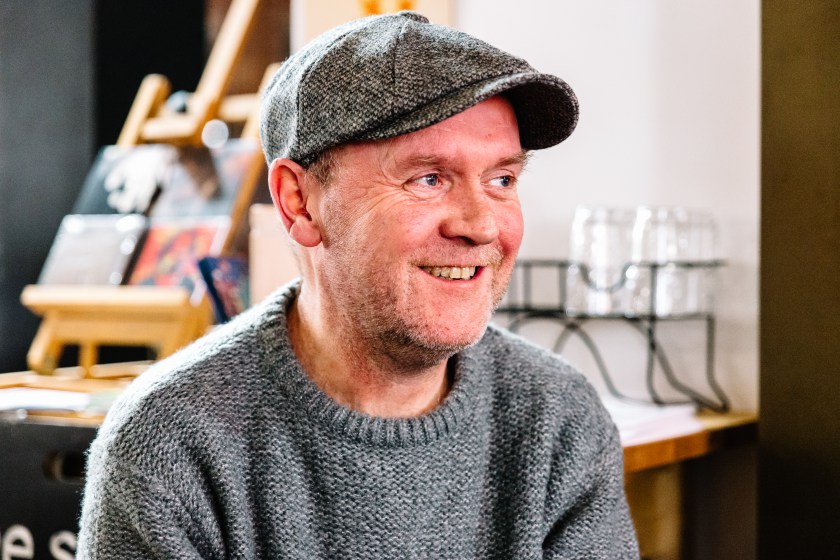
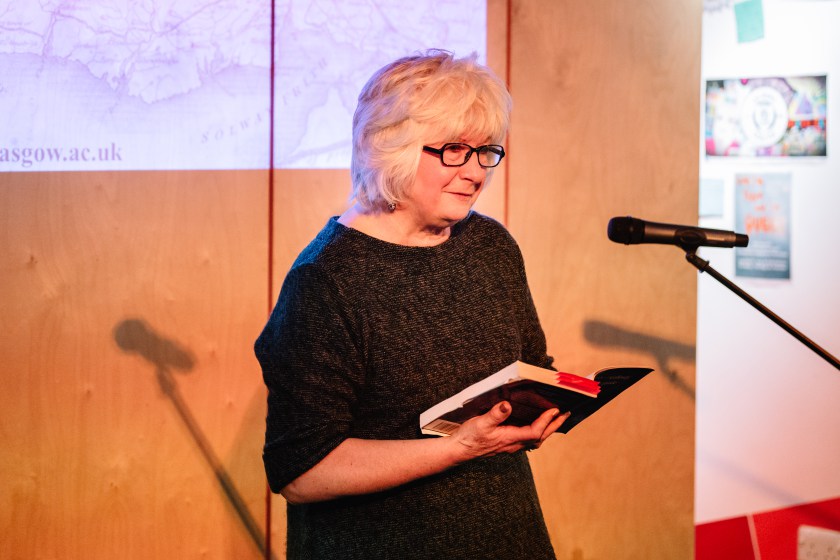
After an opening talk in which I surveyed some of the early fruits of my research, I was delighted to give the stage over to three local poets: Hugh McMillan, author of many books and pamphlets including Not Actually Being in Dumfries (2015) and McMillan’s Galloway (2016); Liz Niven, widely published in Scots and English and recently the editor of I’m Coming With You (2017); and Stuart A. Paterson, the latest BBC Scotland Poet in Residence, who has a new collection titled Looking South (2017). All three poets gave performances featuring a mix of their own work, other local poetry and reflections on the literary history of the region, with particular stress on issues including place, gender and language.

beyond-burns-stove-dumfries-gwalls-20180222-069

‘Knowledge Exchange’ and ‘Impact’ in academia have acquired the off-putting quality of all buzzwords. But literary scholars are among those best placed to engage with wider audiences. I’ve been really heartened at the response my project has had from the local community over the past six months. It’s clear that there is a significant wellspring of local knowledge and enthusiasm for eighteenth and nineteenth-century subjects. Through my involvement with the Oxford University Press edition of Burns at Glasgow, I was introduced to some creative ways of tapping into the massive public interest in Burns. Certainly no other D&G writer has his profile, but there is a real appetite for the wider literary-historical landscape here.

Beyond Burns Galina Walls Stuart Paterson
Stuart A Paterson
Beyond Burns Galina Walls
Liz Niven
Beyond Burns Galina Walls
Hugh McMillan

Engaging with three contemporary writers has also been a refreshing way of developing my thinking. Liz, Stuart and Hugh are all poets with a keen interest in the historical, geographical and political issues around living and working in this part of Scotland, with its unique perspective on local, national and global contexts. Further collaborations have already been mentioned – it’s great to reach beyond the traditional confines of scholarly research and participate in what is an optimistic moment in the region’s arts scene.

Beyond Burns Galina Walls

Beyond Burns was well-attended and closed with a Q&A session, before an after-hours writing workshop for keen attendees. The response to the event has been brilliant – I hope that it has helped to stimulate some new conversations about this rich literary history ­– including but also beyond the legacy of Burns.

Credit to Galina Walls for the photos from the evening.

Categories
Musings

Melting Pot with blueprint100

From Emily Cooper:

‘Open creative space is vital when it comes to fostering and nurturing creative thought and practice but it comes at a premium both in terms of cost and available footage. Studio space for young people can seem a daunting and unobtainable prospect and can be an almost immovable barrier when starting out.

Having a safe and inspirational environment in which young people can freely express themselves without fear of ridicule can be the catalyst that takes an “Artist”, whatever their chosen field, visual, word, music and beyond, from a being a timid foreshadowing of their full potential, to a confident and self-empowered young Artist (this time minus the air quotes).

blueprint100

Throughout my time at Blueprint, I’ve watched as waves of young people reap the benefits of being allowed to take up space, sometimes for the first time in their lives. It makes me incredibly proud to be part of such a project, a project that has helped some young people, uncertain of their paths in life, and more worryingly uncertain of their ability and worth to both pursue careers in the arts independently and also get accepted into prestigious Art Schools.

Artists, by nature, often suffer from crippling crises of confidence. A ready made cure for this can be collaboration, at least in idea and discussion, if not in practice. Meeting with peers and engaging in debate, whether harmonious or discordant, can go on to create sparks which ignite some of the most vibrant and innovative artistic endeavours.

blueprint100

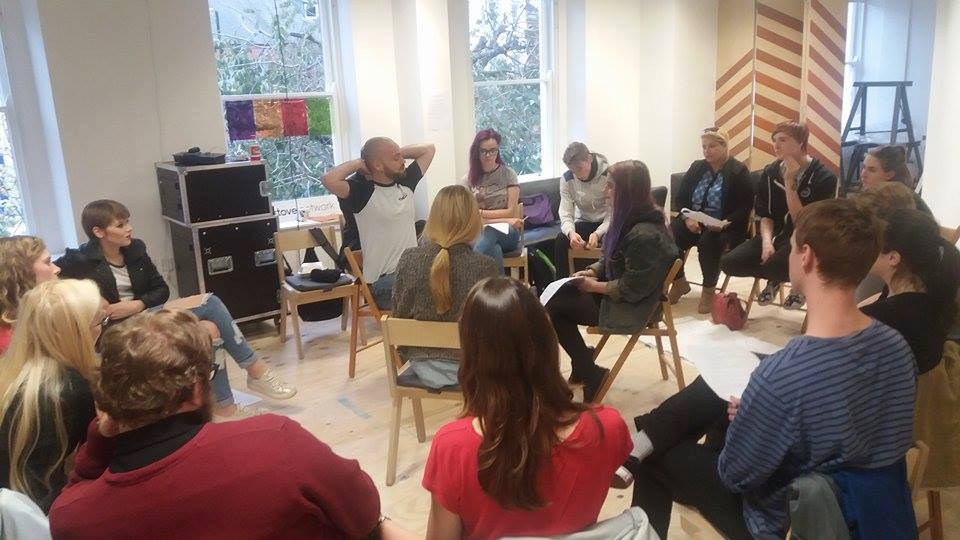
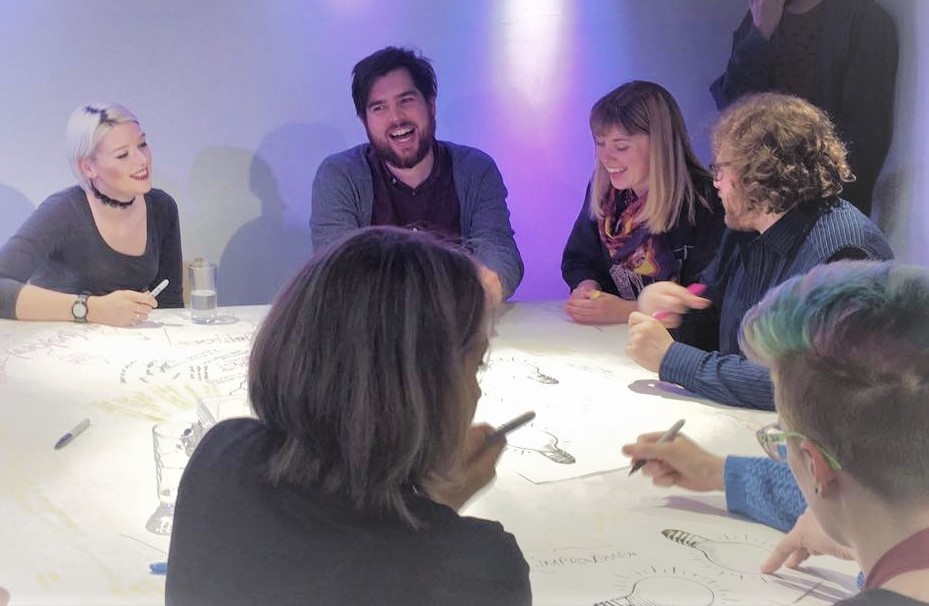
With all these things in mind, following a successful pilot, Blueprint are launching a block of four Melting Pot sessions. Melting Pot is an open studio drop-in running on every Tuesday of March from 5:30pm- 7:30pm. Young people are invited to come and hang out in The Stove Cafe, to work on their own projects and feed off the creative atmosphere.

melting point blueprint100
Categories
Musings

Guerrilla Localism in Dumfries

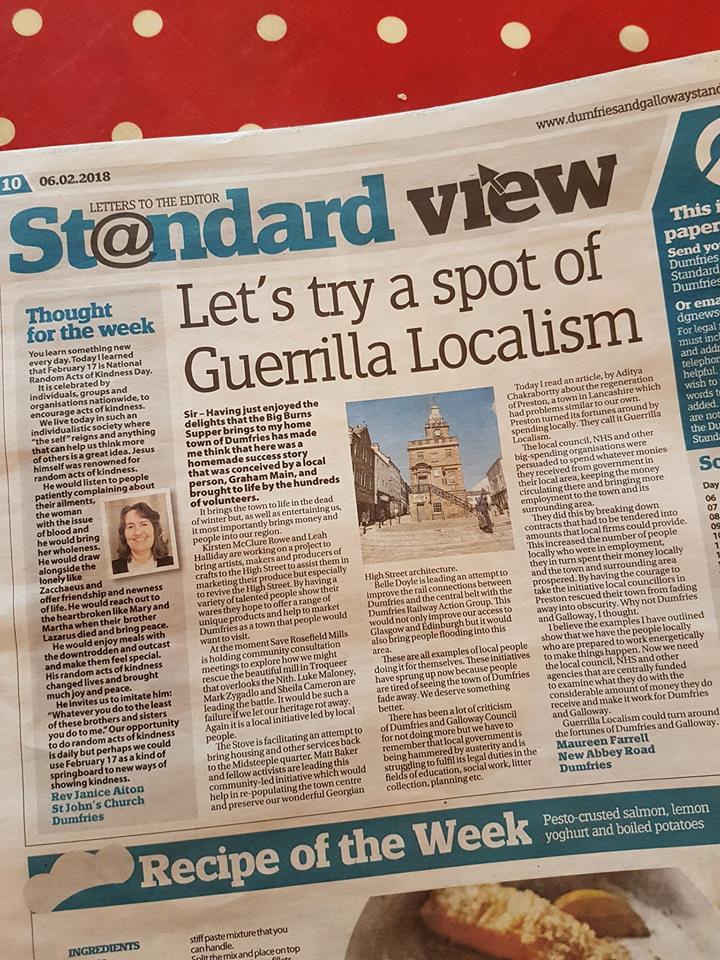
Maureen Farrell's letter in the Standard earlier this month
Maureen Farrell’s letter in the Standard earlier this month

We were inspired recently by a letter in the local Standard newspaper from Maureen Farrell, looking at some of the locally-led community projects and initiatives kicking off in Dumfries and calling for a push from agencies and larger organisations in the region to join a new movement of locally inspired positive change for Dumfries.

For those who missed it in the paper on 6 February, we’ve decided to reproduce it here.

Thank you, Maureen!

square-go-making-dumfries-number-one-eolos-exhibition-5_25845679780_o

Having just enjoyed the delights that the Big Burns Supper brings to my hometown of Dumfries, I have realised that here is a home-grown success story, conceived by a local person, Graham Main, and brought to life by hundreds of volunteers.

It brings the town to life in the dead of winter, but as well as entertaining us, it most importantly brings money and people into our region.

Kirstin McClure Rowe and Leah Halliday are working on a project to bring artists, makers, and producers of crafts to the High Street to assist them in marketing their produce, but especially to revive the High Street. By having a variety of talented people show their wares, they hope to offer a range of unique products and help to market Dumfries as a town that people will want to visit.

27337032_1969824039922946_1111937899824377833_n

At the moment, Save Rosefield Mills is holding community consultation meetings to explore how we might rescue the beautiful mill in Troqueer that overlooks the River Nith. Luke Moloney, Mark Zygadlo, and Sheila Cameron are leading the battle. It would be such a failure if we let our heritage rot away. Again, it is a local initiative led by local people.

Rosefield Mills

The Stove is facilitating an attempt to bring housing and other services back to the Midsteeple Quarter. Matt Baker and fellow activists are leading this community-led initiative, which would help in repopulating our wonderful Georgian High Street architecture.

Belle Doyle is leading an attempt to improve the rail connections between Dumfries and the Central Belt with the Dumfries Railway Action Group. This would not only improve our access to Glasgow and Edinburgh, but it would also bring people flooding into this area.

These are all examples of local people doing it for themselves. These initiatives have sprung up now because people are tired of seeing the town of Dumfries fade away. We deserve something better.

There has been a lot of criticism of Dumfries and Galloway Council for not doing more, but we have to remember that local government is being hammered by austerity and is struggling to fulfil its legal duties in the fields of education, social work, litter collection, planning, etc.

Today I read an article by Aditya Chakrabortty about the regeneration of Preston, a town in Lancashire which had problems similar to our own. Preston turned its fortunes around by spending locally. They call it ‘guerrilla localism’. [You can read the article in full here.]

The local council, National Health Service (NHS), and other big-spending organisations were persuaded to spend whatever monies they received from government in their local area, keeping the money circulating there and bringing more employment to the town and its surrounding area.

They did this by breaking down contracts that had to be tendered into amounts that local firms could provide. This increased the number of local people who were in employment; they, in turn, spent their money locally, and the town and surrounding area prospered. By having the courage to take the initiative, local councillors in Preston rescued their town from fading away into obscurity. Why not Dumfries and Galloway, I thought.

I believe the examples I have outlined show that we have the people locally who are prepared to work energetically to make things happen. Now we need the local council, NHS, and other agencies that are centrally funded to examine what they do with the considerable amount of money they do receive and make it work for Dumfries and Galloway.

‘Guerrilla localism’ could turn around the fortunes of Dumfries and Galloway.