Support Us
Categories
Musings News

Reimagining Where We Live

Cultural Placemaking & the Levelling up Agenda

The Stove often contributes to Government consultations – these are one of the ways that policy is shaped. Committees are the way that Government oversees what it does, so the Culture, Media and Sport Committee looks after the work of the Dept of Culture Media and Sport (DCMS), by suggesting new policy directions and holding ministers to account for what they have promised. It is these Committees that run consultations – when they want to explore something, they call for people’s views, they then hold committee sessions to discuss what has been submitted and often call people to speak to them at these sessions. Following this, a committee will make set of recommendations to Ministers and often new policy results.

In February of this year, a consultation (they call them ‘Calls for Evidence’) was announced by DMCS which was around subjects very relevant to the work of The Stove. Our very own Matt Baker pulled together a Stove submission, but also encouraged Stove Members to contribute to this.

The below is the submission of Hope London, who is a commissioned artist working as part of the What We Do Now project, which forms part of the national programme called Culture Collective coordinated by Creative Scotland.


Reimagining where we live: cultural placemaking and the levelling up agenda

By Hope London

Background

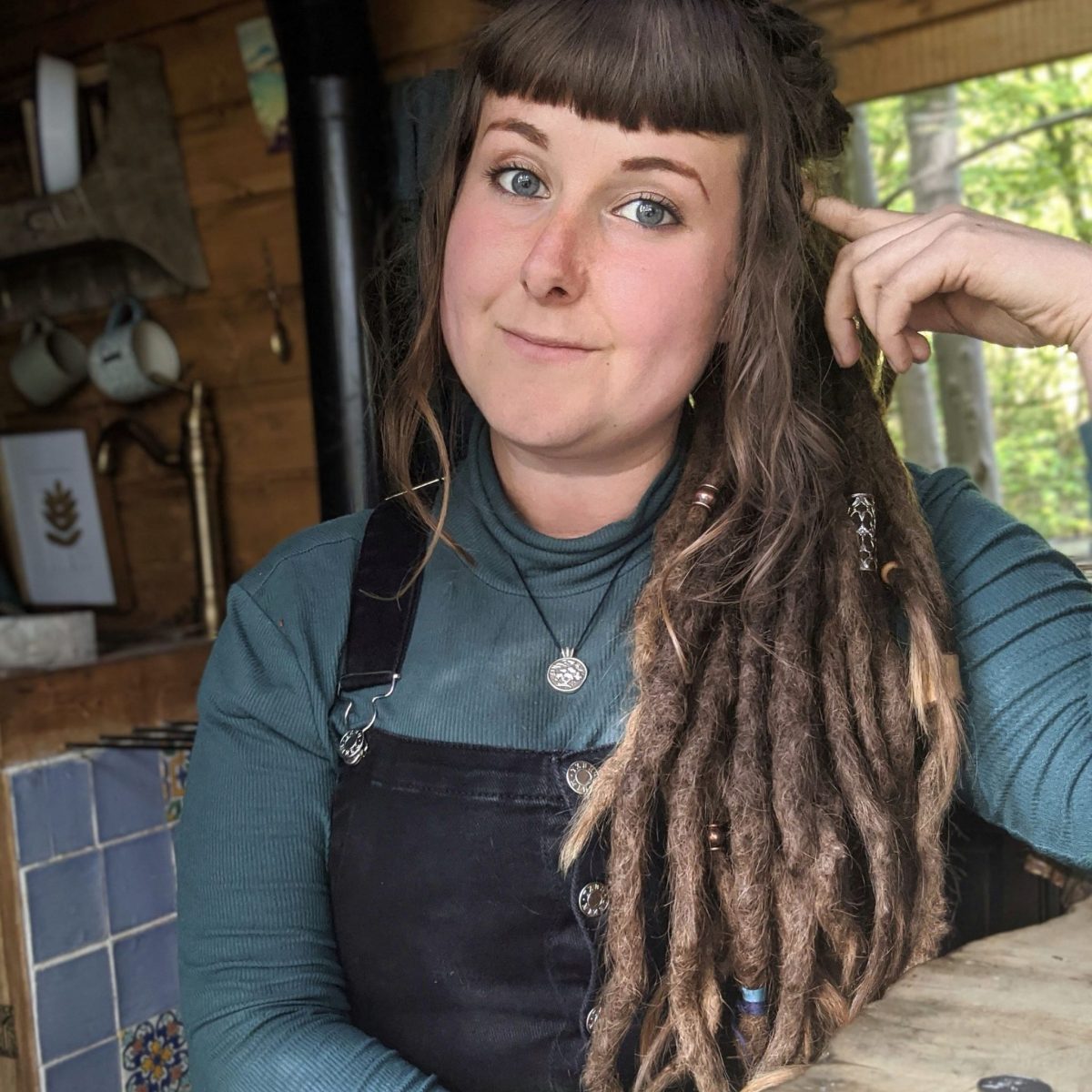
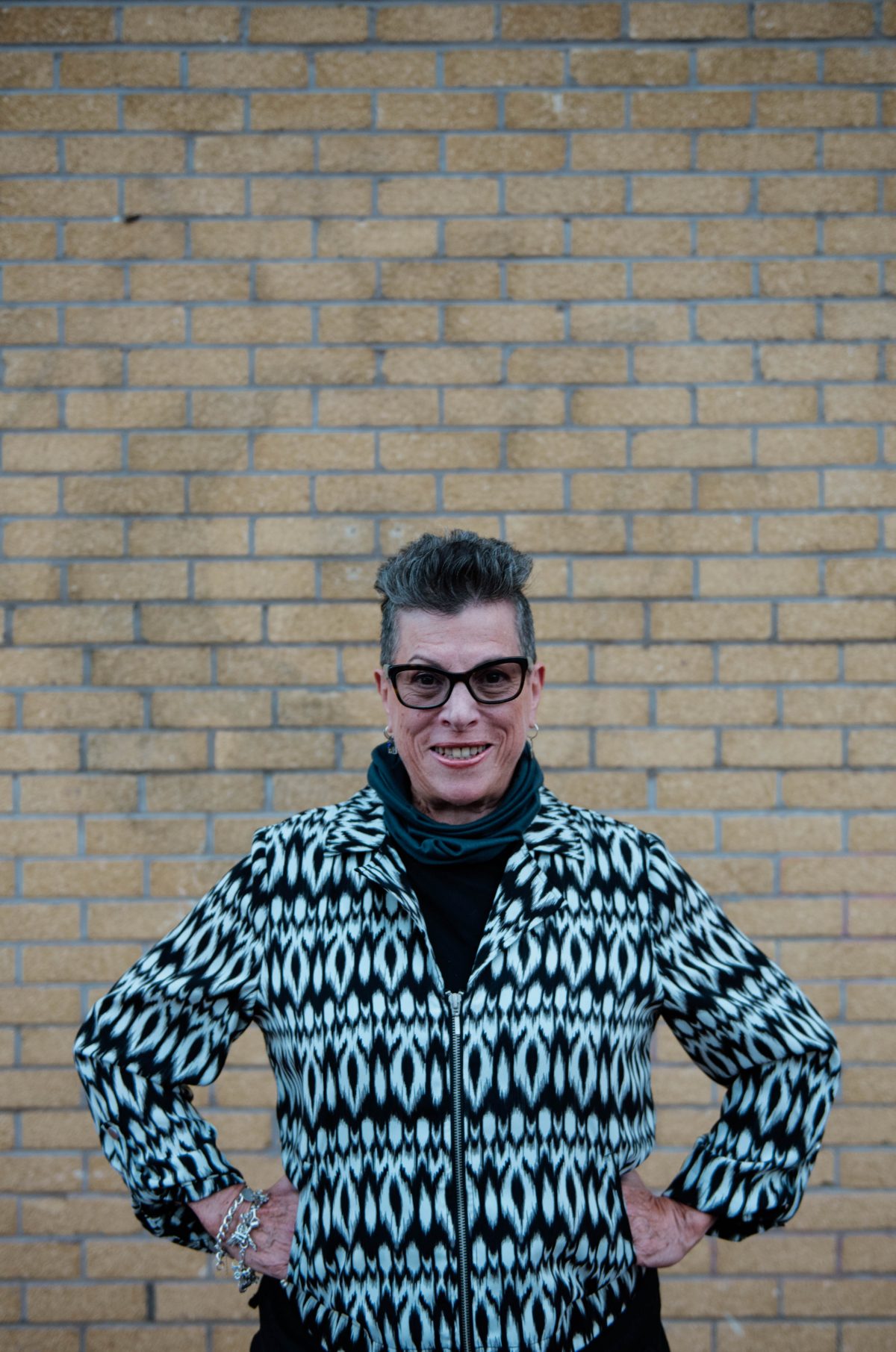
My name is Hope London. I’m an artist with a socially-engaged practice and over thirty years of experience in arts management, consultancy and education throughout the UK, including legal issues for the arts and creative industries.  I believe in the transformative power of the arts to make life better and love working with people to release their creative potential.   Website hopelondon.com

I’ve worked in towns and cities labelled some of the most deprived in the country –  Liverpool and Manchester (in the 1990s/early 2000s); North West and North of England (including Barrow in Furness, Burnley, Hull, St. Helens, Newcastle), the Welsh valleys and South West Scotland. Currently commissioned by The Stove (Dumfries) as established artist for ‘What We Do Now’, a Creative Scotland | Culture Collective project in the seaside town of Stranraer, working with the community to re-imagine their vision and identity for the town in the future. 

Introduction

I will focus on the first three questions:

  • How can culture reanimate our public spaces and shopping streets?
  • How can creatives contribute to local decision-making and planning of place?
  • How can the Government support places without established artistic infrastructure to take full advantage of the opportunities that the levelling up agenda provides?

Artists|creatives are often asked to achieve miracles. We may be called upon to work in deprived areas on arts-related projects with community groups, public art commissions, festivals or events.  We wave our wands in the face of post-industrial decline, deteriorating infrastructure, generational poverty, inadequate public transport, lack of opportunity, even a sense of hopelessness about a positive future. 

Sometimes it works.  Successful projects benefit the people who participate, sometimes profoundly.  I can think of many positive examples involving young people, often those with mental health issues or disabilities. But one-off, short-term projects or those aimed only at a specific group don’t lead to major change across the community or help to re-animate the high street and increase economic opportunity. Poorly conceived or executed projects on the other hand, such as works of public art that aren’t properly maintained, can be downright negative, serving to reinforce a sense of neglect. 

Cultural place-making works best when culture is a catalyst, working organically – not imposed top-down but embracing local culture and building from the ground up.

Innovative thinking, sustained attention and commitment of resources are essential ingredients; otherwise, the arts are just a sticking plaster over an unhealed wound.  Artists and creative producers embedded within a community can play a profound role in the healing process that will lead to the kind of deep, ongoing positive change envisaged by the Levelling Up agenda.  It starts by connecting with the people who live and work there.

Artists|Creatives and Cultural Place-Making

Artists are well-placed to do the work – lack of formal arts infrastructure is not an obstacle*

Arts and creative professionals with a background in community work are well-positioned to work at ground level as a catalyst for cultural place-making, even in areas of the country there is little recognised arts infrastructure.  Local councils, arts councils (e.g. Creative Scotland) and local/regional arts organisations know how to advertise, recruit and work with communities to commission artists/creatives to work with them.  Where needed, appropriate training could be made available (how to prepare a brief, recruit, commission and work with artists and creatives).

Artists can come into a place first.  A formal arts infrastructure is likely to evolve later. There are usually more creative people in every community than some at national level might imagine, albeit a less formal kind of infrastructure.  Artists who work in communities know how to connect and collaborate with local creatives and build on people’s interests, abilities and resources to help communities take advantage of opportunities offered by the Levelling Up agenda.

The ‘art project’ is the place itself.  Artists use creative tools to help communities express what they need and want.

Artists are able to create projects designed specifically to discover what local people most want and need.  We’re currently doing this kind of work as part of the ‘What We Do Now’ project in Stranraer, a rural town in South West Scotland.  My colleague Rory Laycock and I co-designed The Stranraer Colouring Book and printed 1,000 copies for distribution throughout the community.  We first talked to a range of local people on the street and at community events to find out what they wanted to change in their town.  We discovered that amongst their top priorities were certain landmark buildings that have become, in their words, neglected or abandoned ‘eyesores’ – omnipresent, depressing structures that lower community morale and deter new businesses and tourists.

The colouring book is just one example of an artist-led intervention – a fun, accessible way of giving people a chance to express their views and make them known.  The completed books will be collected and documented.  There will be an exhibition, and the information gleaned will be collated and shared with local government and more widely, for use in planning redevelopment and making a case for the necessary support. 

* Question 3How can the Government support places without established artistic infrastructure to take full advantage of the opportunities that the levelling up agenda provides?

Artists|creatives initiate change organically – this is a chance to do it better

Perhaps the first question should be expanded to ask “how can culture reanimate our public spaces and shopping streets without making the town too expensive for local residents and businesses?”  This relates directly to the second question: How can creatives contribute to local decision-making and planning of place? 

Sometimes artists|creatives are commissioned to work on cultural place-making projects – but perhaps more often, artists and creative businesses initiate change organically by gravitating to cheap living, working and retail spaces, and kick-starting regeneration. I witnessed this process while living in New York’s East Village in the 1970s and there are numerous examples worldwide.  As boarded-up buildings are replaced by new shops, galleries, restaurants, bookshops and cafes alongside established businesses, public spaces and shopping areas become more vibrant and interesting.  Morale is lifted when eyesores are cleaned up and derelict buildings refurbished.

The danger, however, is gentrification – as more affluent people are attracted to the area, property prices and rents increase; local people who don’t own their properties may be forced out or decide to sell.  Often, the very artists who moved in and started the regeneration process can no longer afford to stay.  This has not yet happened in Stranraer.

You have an opportunity to harness the power of artists and culture to ‘do regeneration’ better, avoiding the pitfalls of gentrification.  In this context, it’s important to remember that people are at the core of culture.  Public spaces and shopping areas are animated by food, fashion, art, music, dance, trees, gardens, architecture, design, performance, shopfronts, street vendors…and the people who live, work and shop there.  Regeneration is supposed to be about making people’s lives better. You don’t want to lose them in the process.

If affordable live/work/community spaces are a serious part of the long-term regeneration plan, local residents and businesses won’t be priced out, and creatives|artists will be encouraged to stay in the area as well.

Artists animate streets and spaces

Streets and public spaces are key to regeneration.  Artists, working with community groups, can co-create projects and programmes of work to bring the public realm alive.  Other creatives can be brought in, commissioned by the community to realise events and projects. Safe, clean, well-designed spaces in the public realm are potential stages for street markets, festivals, horticulture/permaculture, processions, sporting events, performance. Vistas obstructed by rubbish skips and cars – like the view of the sea in Stranraer – can be opened up and walkways/viewing platforms built.  Uninspiring walls can become landmark murals or vertical gardens.  Dingy alleyways can be lit in creative ways.

Blighted buildings needed to be addressed as a priority – artists can help

Buildings, vacant lots and other structures (like the disused former ferry pier in Stranraer) in private ownership pose a sticky problem.  Local councils may have authority over what happens in public streets and squares or buildings that they own, but the legal situation is more complex when it comes to requiring owners to repair deteriorating property and/or put it into productive use. 

In Stranraer, as in small post-industrial towns up and down the country, neglected, poorly maintained and empty buildings are more than an eyesore.  Such buildings blight shopping streets and public spaces, affecting the well-being of the people who must pass them every day. Empty or underused, paint peeling, window frames caving in, trees growing through rooftops – while people require housing, workshops, studios and offices – they are literally a waste of space. 

Until there are effective administrative and legal mechanisms for addressing the problem, re-animation risks being superficial and ultimately ineffective. I understand property rights, and that owners must have a reasonable chance to make repairs to a required standard before penalties may be imposed.  However, given the deplorable state of some of the high-street buildings in towns where I’ve worked (in Scotland, North West England, Wales), existing regulations are not doing the job.

I believe a thorough overhaul of regulations is required – for example, requiring compulsory sale orders when owners are unable or unwilling to repair a building that has become an aesthetic detriment to a town – an eyesore, even if it has not quite reached the stage of posing a danger to the public. The legal and business issues involved may be daunting but not impossible.  Community buyouts or purchase by housing associations may be options if a building is up for sale or there is a compulsory purchase by the Council.  Funding is a huge problem but there are innovative ways to encourage owners, developers, residents and artists to work together, with contractual obligations in place to ensure buildings are refurbished to agreed standards and used for the intended purposes at affordable prices.   I know it’s a huge task but in my opinion it’s key to creating the kind of culture-driven levelling up you want to achieve.

Neglected buildings could be refurbished, and those beyond repair gutted and re-designed.  All could become affordable, eco-friendly living, working, business incubator, training, conference or arts/events spaces.  Artists and creatives can put a community’s vision into tangible form with proposals for new uses, re-design and even innovative forms of ownership/partnership to manage buildings.

In short, culture can re-animate buildings, shopping streets and public spaces through:

  • artists and creatives working with communities, using arts-based approaches to articulate a vision for their place and a plan to make it happen (collaborating with the community on local decision-making and planning of place)
  • events, festivals, performance, art, music, food, street markets and more…the whole range of arts and cultural activities that bring streets and public spaces to life
  • improving the aesthetics and utility of the public realm – addressing ‘eyesore’ buildings, rubbish, public realm design, using all tools at the disposal of artists|creatives including planting, street furniture, building facades, lighting, temporary interventions and longer term artworks
  • encouraging artists|creatives to start and operate businesses, shops, cafes, workshops and live/work spaces in premises that are affordable…and finding ways to avoid gentrification
  • re-designing and using derelict buildings for cultural purposes that benefit the community – keeping them in public or third sector ownership where possible
Categories
News Project Updates

What is Dandelion All About?

By Beth Piggitt

Beth Piggott – Emerging Creative Producer

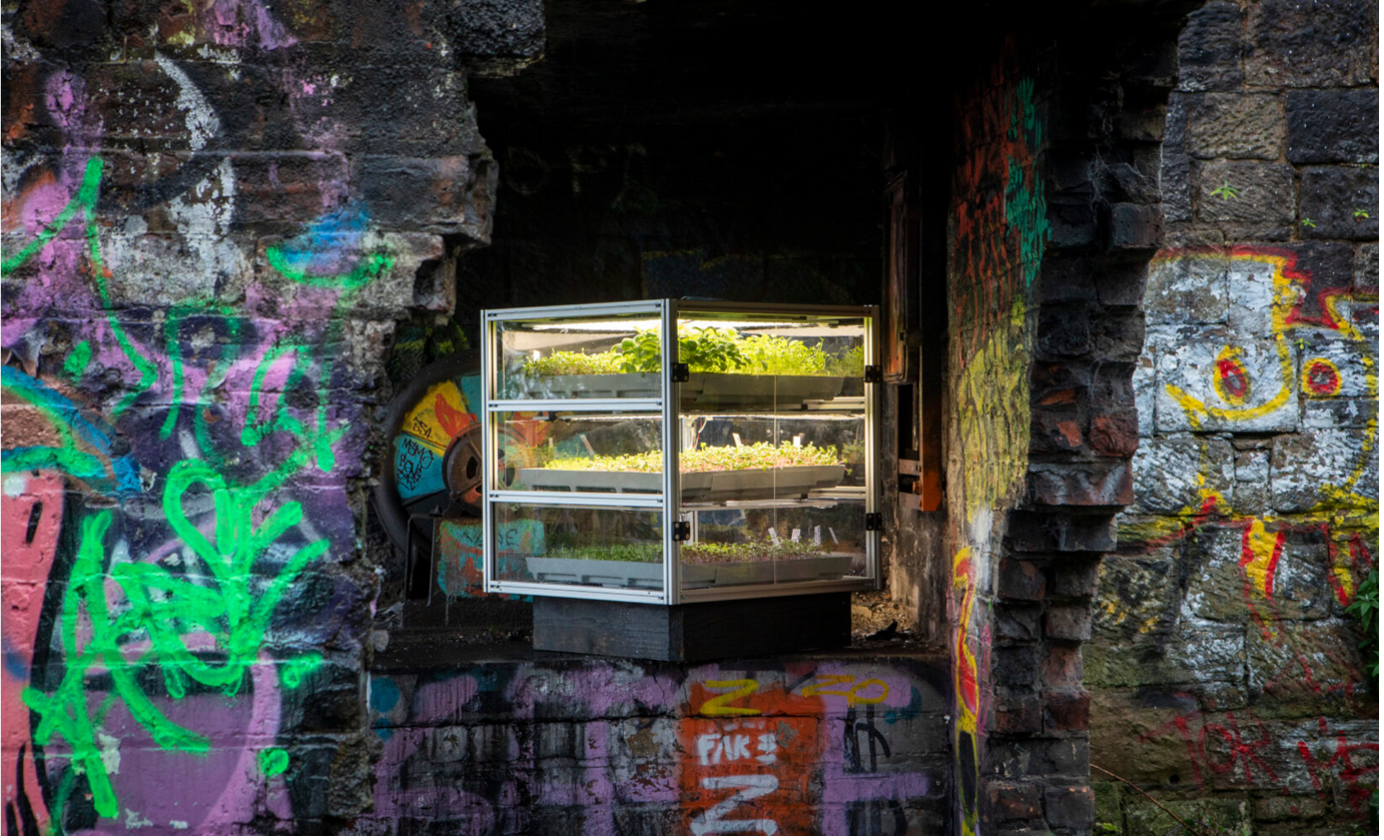
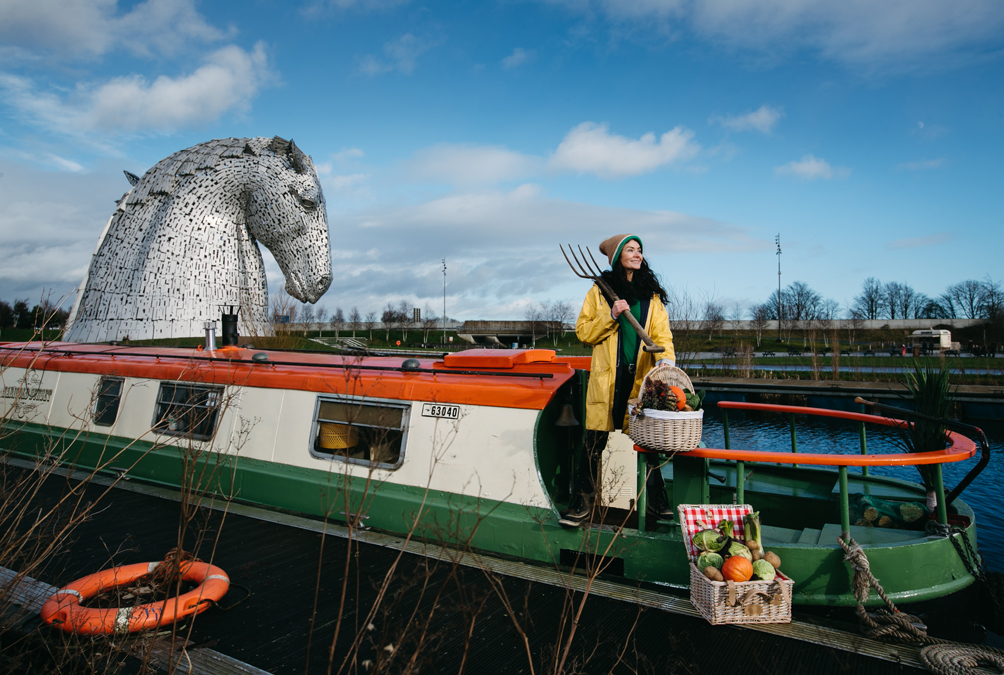
Dandelion is a national creative community food growing initiative that is coming to Stranraer.  It is part of the UK wide UnBoxed Festival; a UK wide celebration of creativity taking place in 2022.  A new community garden, known as an Unexpected Garden, will be created on the harbour that brings together food, culture, ideas, and technology driven by the concept of sow, grow and share.  There will be 12 unexpected gardens across Scotland including floating gardens in Falkirk and touring garden on the back of an HGV lorry in Caithness. At the heart of the project, we want to reconnect people with the food they eat, how it’s grown and show them that in the unlikeliest of places food can be grown. There will be a summer events programme which will culminate in a harvest festival in September – with the aim of re-establishing it as a cultural festival for the town.

Why we’re doing it?

Dandelion is committed to empowering young people, inspiring the creative sector and offers new opportunities for the Stranraer community – which is why we’re taking part. Working in partnership, Stranraer Development Trust and The Stove Network are proud to be part of this new initiative that’s going to get hundreds of people growing their own food across Scotland, with over 400 schools taking part and a new archive or stories about growing, gardening and the unique history and memories of the town and local traditions.

What have we planned?

Our Unexpected Garden will be a hive of activity over the summer with a range of volunteer opportunities, events, workshops, and our take on the Harvest Festival. The garden will be a fantastic opportunity for people to come and learn the basics of food growing, try their hand at gardening and become part of a vibrant community; we are looking forward to welcoming new and experienced gardeners (I include myself in the latter).

People will be able to attend our free events and workshop programme over the summer which will encompass talks, music, crafting, music, and art, as well as veggie and herb plug giveaways and vertical farms on tour. Find out more about our programme of events on our Facebook Page.

Process up until now?

Over the course of the past few months, I’ve enjoyed having the opportunity to chat with members of the community to hear what they want to get from the garden and the types of activities they’d like to see there. The garden will be a community project that will continue to evolve over the summer, and I am looking forward to watching it grow as more people visit the garden and leave their mark on it.

Part of my own personal process has involved moving up to Scotland from a small town in Leicestershire and coordinating the build of a new community garden; two things I never imagined happening in my wildest dreams; a comforting reminder that you never know what’s around the corner. I’m sure the garden will continue to remind me of that.

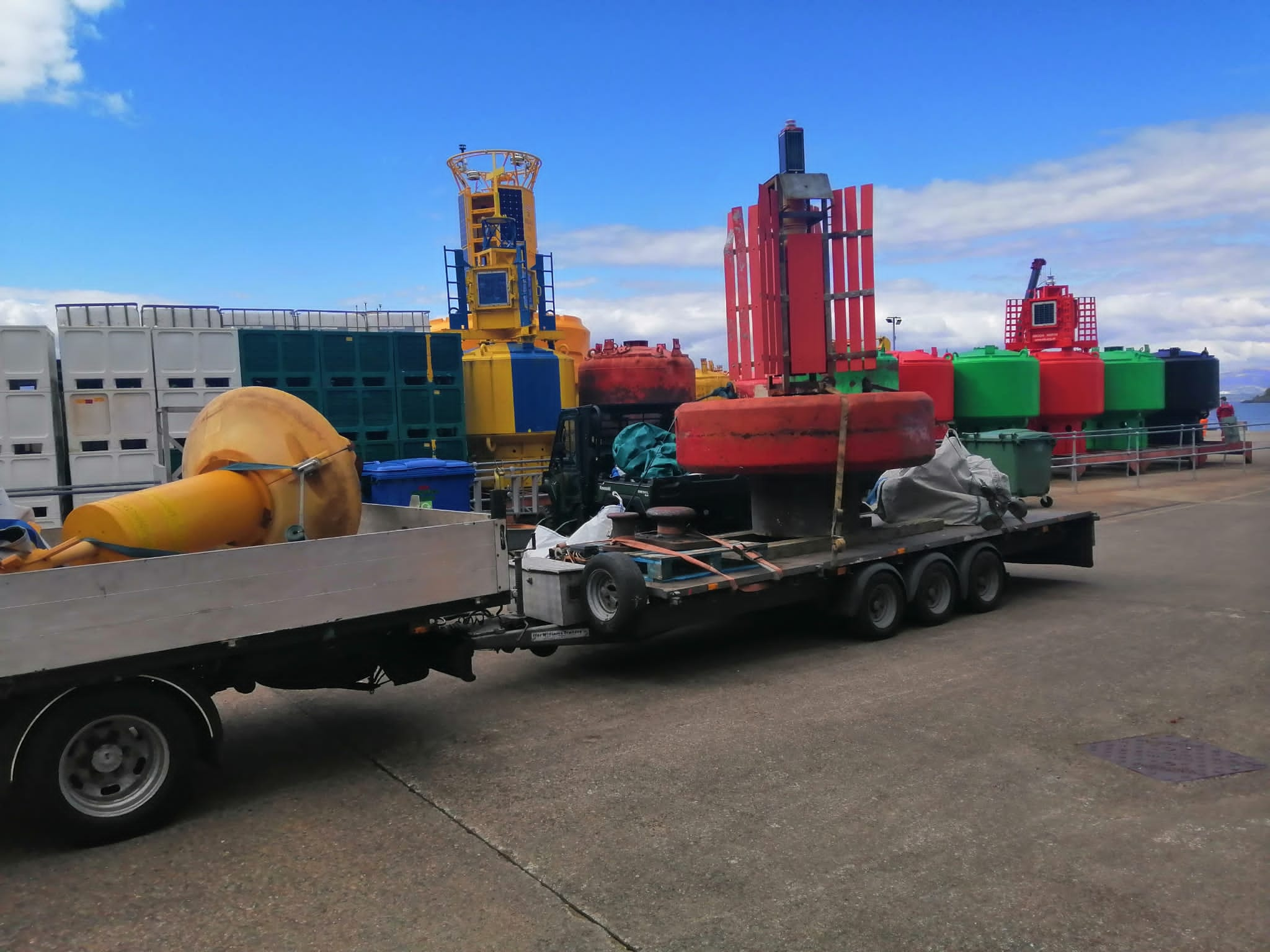
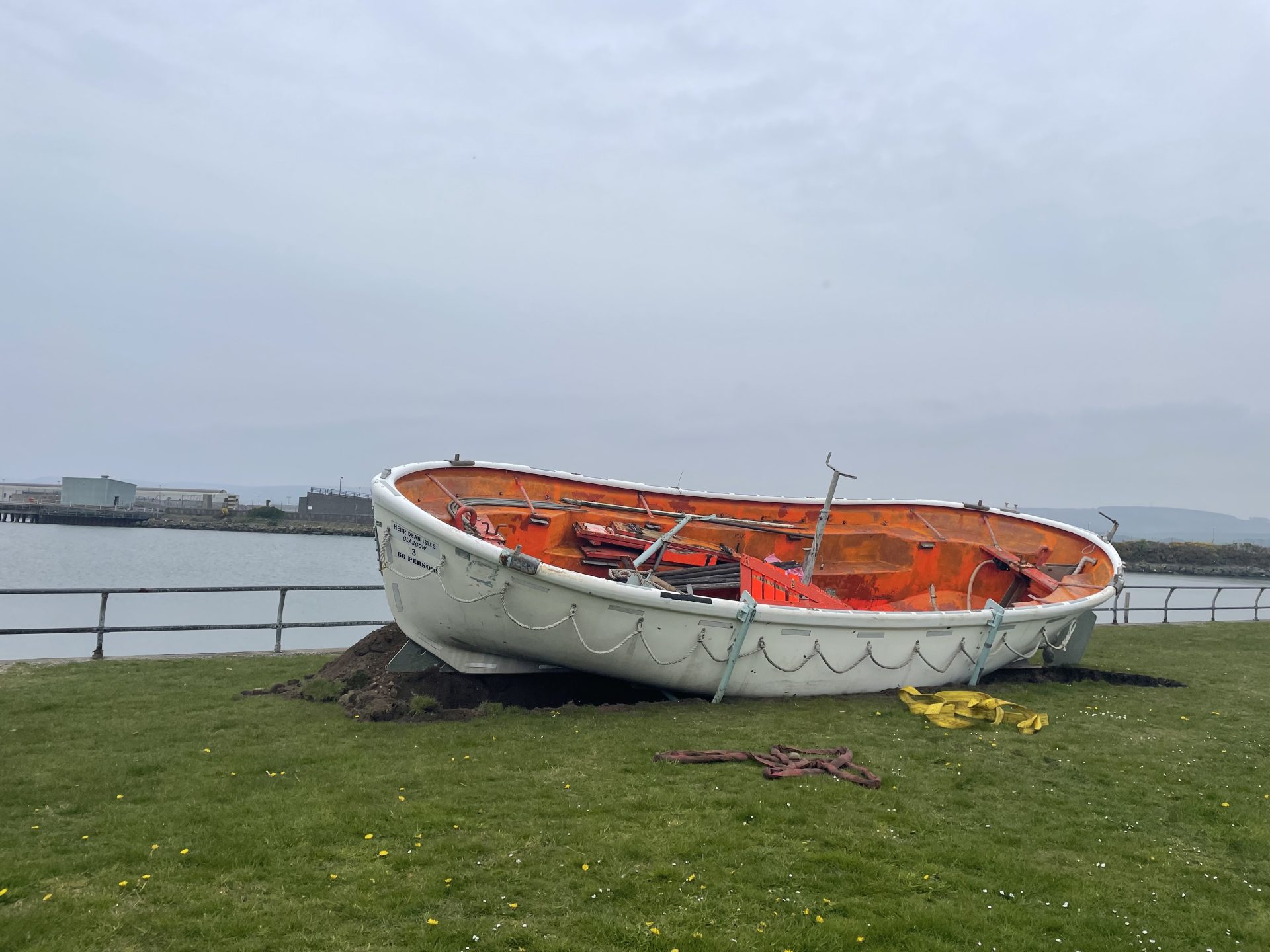
We’ve been lucky to have the support of Northern Lighthouse Board and CalMac who are donating old nautical items including a 27ft lifeboat and 2 big colourful ocean buoys to the garden to help us create a garden fit for a seafarer. Burns Real Ale and Dumfries & Galloway Council have kindly allowed us the space to bring the project to Stranraer and Ulsterbus, who will be providing access to water for the garden have also kindly housed 25 tonnes of soil & mulch.

Find out more about Unboxed & Dandelion

Categories
Musings News Project Updates

Creative Spaces – The Power of Community

By Leanne Bradwick

Creative Spaces has been supporting me for the last 10 months, helping build the confidence I needed to establish myself as an artist within my own practice, but also supporting me to make new connections that have helped me break into the realm of community art.

This experience has given me the opportunity to explore a large variety of creative ventures and has allowed me to engage with the young people of D&G.

Hear more about my experience and what I’ve learned through the Creative Spaces programme below…

Since completing her time as a Creative Spaces Associate Artist, Leanne has secured regular work helping the community as part of the production team at The Stove Network.

Categories
Musings News Project Updates

What is the Artist’s Responsibility in Addressing Social Issues?

By Rachel Shnapp

Rachel Shnapp

This past weekend, I found myself having lunch with a friend and a stranger. The friend, similarly to myself, is a filmmaker and facilitator of creative activities for young people in rural communities. The stranger, also a filmmaker and facilitator of both creative and career opportunities for young people, works in the South of Scotland, like my friend and myself (as I did up until recently).

The conversation over lunch meandered from our individual film practices, desires and influences, to creative opportunities for young people in the South of Scotland, and in rural Scotland more generally, to the role of arts organisations in tackling, or at least contributing to, the social issues that are so frequently found in rural spaces, and what responsibility art practitioners have to help.

Image by Rachel Shnapp

These are questions that, over the past year, have seeped into the conversations I have had with colleagues, mentors, and friends. Whilst programming events for young people, my team and I very quickly learned that the creative output really is not the goal of this work. What the goal is, though, is a very big question. More than that, it has hugely wide scoping answers. I’ll hazard a guess in saying that some of the aims are to create an environment for young people to explore their own creative practice, to experiment with the arts in various media, to have stimulating conversations with other people that may push the parameters of their perception of the world. But, of course, it’s a lot more than that. What some young people in rural communities lack is not simply the ability to create artworks, but safe spaces in which they can explore, grow and experiment. Where they can spend the long winter nights with friends out of the cold and the wind. Where they can be around people who will accept and support them for who they are, inclusive of any and all traits and qualities.

Of course, there is the need for young people to simply gather with others to creatively make and explore, but as it is said again and again, no art exists in a vacuum, nor does the creative facilitation that works on in the background behind the art. Young people also need all the things that society is not yet providing them with, and, whether it’s right or not, if some of that support comes from the creative community, then is that really such a bad thing? At least in that case, it’s coming from somewhere. Instead of shying away from the reality that arts organisations and practitioners have been and still are relied on to do developmental work, they should lean into it, finding organisational partners with the relevant expertise with whom they can mutually support each other to make change.

I was having lunch with my friend and a stranger, and once I’d left the café, I realised the conversation we had was one that, a year ago, I wouldn’t have been able to contribute to at all. I would have sat at the table shocked at these people’s’ knowledge of the rural art scene, the social issues being faced in rural Scotland, and their intersection. It’s easy to forget what we’ve learned once we’ve learned it. One year on since beginning Creative Spaces, I’ve learned more than I could have imagined about creative production, creative youth work, and the arts in rural spaces. I’ve learned more than I could have imagined about what it is to be a young person today in rural Scotland, independent of my own experience, and I’ve learned that being a creative practitioner (whether you identify as an artist or not), is rarely just about you and your work. As I said, we don’t create in a vacuum, we create in a world, a world that’s sadly riddled with social injustices. I think that if we can all play our part in seeing that world become a little bit safer for even a few people, then the world would be a better place altogether.

To me, good art is that which comes as close to the truth as possible.

It’s hard to ignore the truth when you’re looking right at it, and the truth is that Scotland, particularly its rural regions, have a lot of social issues that aren’t being addressed. I may not have a complete answer to the question I have posed, but I’m proud to be part of the conversation.

Categories
Musings News Project Updates

Creative Spaces – What I’ve Learned

By Jodie Barnacle-Best

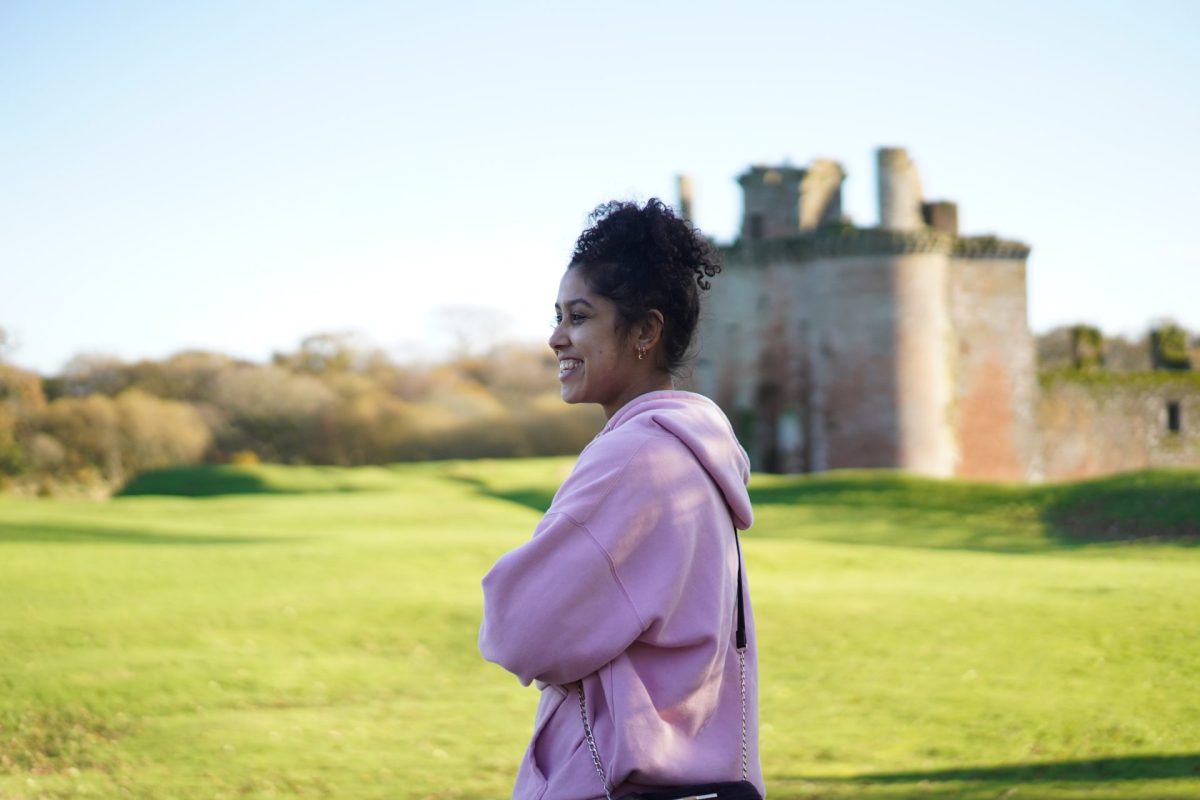
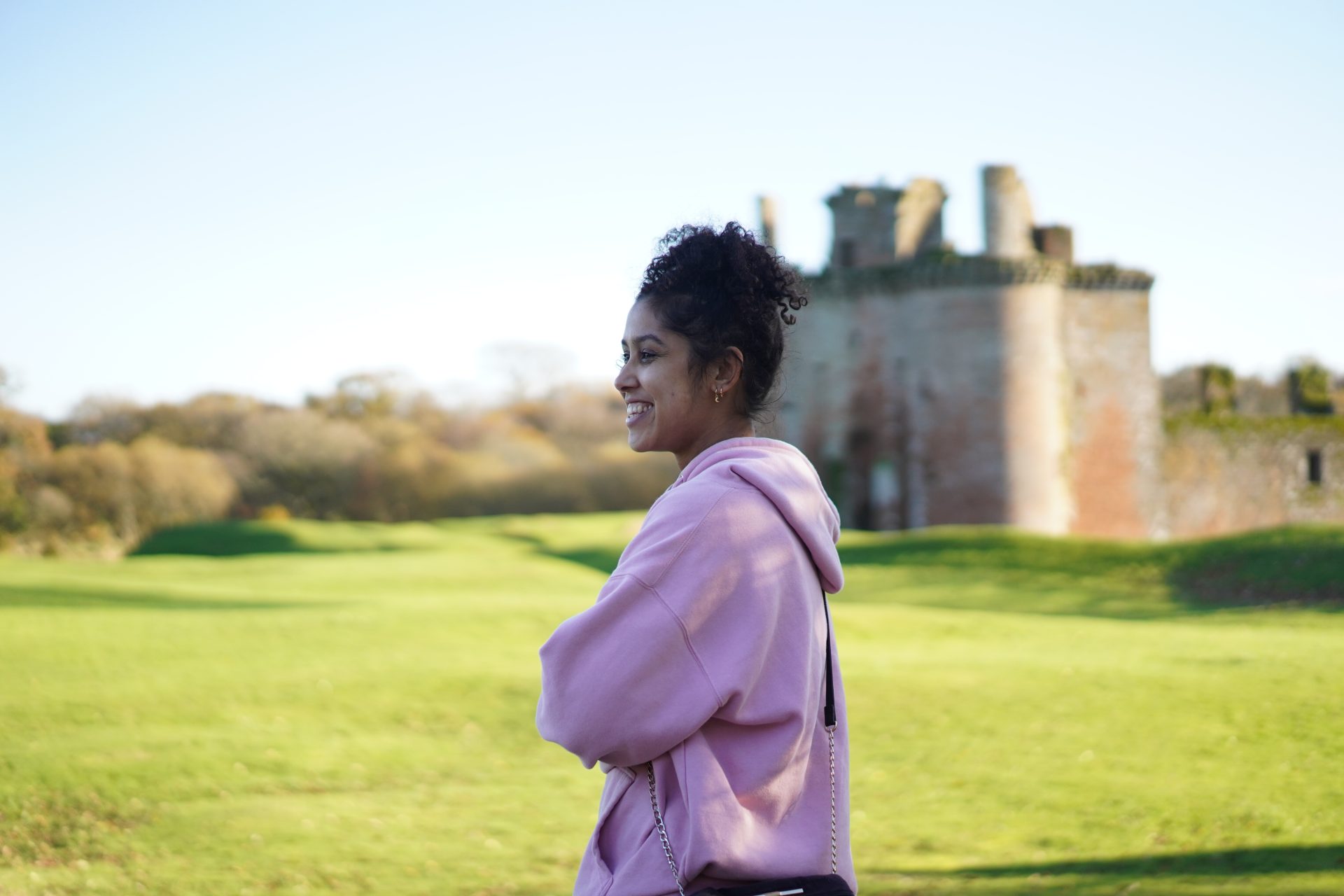
Jodie @ Caerlaverock Castle

Just over ten months ago now, I joined the Creative Spaces team alongside Rachel, Leanne and Jenna. Never having stepped foot in Dumfries, I tried to piece together what I thought The Stove was from behind my computer screen in Glasgow back in early 2021.

In the thick of a Masters, scouting the internet for opportunities which would allow me to exercise creative thinking in a purposeful way (a disappointingly hard task when you’re graduating in fashion…) while giving myself time to reflect and develop on the dreaded ‘WHAT NEXT?!’ question, joining Creative Spaces seemed like a good step to take.

Describing what I have learned as part of Creative Spaces would take too long, and even listing it out would be pretty exhaustive! It has been a whirlwind experience characterised in large by a trial-and-error approach. University and formal education settings in general have given me *a lot* (in fact, we did a whole block of events on this called ‘So You Wanna Go to Art School?’ back in September!)…

... but my time as a ‘Creative Spacer’ has been educating in ways I couldn’t anticipate.

Every day truly is a school day as our small (but mighty!) team handled everything from concept to production of our bi-monthly workshop programming alongside several one-off events.

It was real-life, project problem solving. And each week that looked different. From getting stuck in (and drenched) at Nithraid to having a day of ‘work’ which involved gathering foliage throughout D&G to decorate for the Wild Goose Festival closing event, to emailing pretty much every school in D&G to market our events…we did it all.

The days were constantly changing…and sometimes seemingly never-ending, but always fun when working alongside three others under 30 all with the same propelling goal; to put on interesting events for other young people in the region.

A big part of why I wanted to be a part of Creative Spaces was to become more engaged in community arts and look at ways my individual practice could connect with others.

Perhaps the hardest lesson in it all, was just how challenging this seemingly simple task is. Increasing engagement and ensuring we were facilitating activities and events which were of interest to our community at times felt like an uphill battle. Having spoken to many people in the scene and even having read some books on community art and participatory practice, it’s clear how universal this is. But when it all clicked into place, boy did it feel good!

I wrapped up my time with Creative Spaces with my personal project, ‘REMAKE Dumfries’, a month-long project of clothing regeneration with a collective of young people in Dumfries and Galloway. Facilitating this project involved utilising all the skills and experiences already under my belt. An individual project, succeeding because of the trials and errors that came before. An ending to my time on the Creative Spaces team that I’m proud of.

To sum up ten months in 500 words is inconceivable, but I hope I’ve managed to convey the core of my experience. Ten months full of connecting and creating, sometimes planned, sometimes off the cuff, sometimes succeeding, sometimes falling short. The opportunity to try and test has been a real privilege. My biggest take-away of all? Not everything has to be meticulously planned and conceptualised like it’s a three-month long university project.

Sometimes the most success comes from the simplest or spontaneous of ideas.

The ‘real’ world doesn’t mark you on your workings out (in fact they often don’t see them at all), so whatever messy route you take to get there, sometimes the most important thing is simply that you did.

Since completing her time as a Creative Spaces Associate Artist, Jodie has join the Board of Directors at The Stove Network.

Categories
News Opportunities

Arts & Engagement Officer

Our friends at The Stranraer Development Trust are seeking to appoint an Arts & Engagement Officer to help support the development of a thriving cultural sector and a potential major capital project for the re-development of a derelict heritage building in the town centre of Stranraer.

This is an exciting opportunity for a motivated person to use their creativity to bring local people into the heart of regeneration initiatives in Stranraer.

Arts & Engagement Officer – Stranraer Development Trust

Salary: £30,000 (pro rata).

Hours: 25 per week.

Duration: The post is funded for an initial 12 months with potential that it will be continued if successful.

Key Responsibilities

  • Developing and delivering a creative programme in partnership with local stakeholders in and around Stranraer town centre.
  • Developing and delivering creative community engagement projects that support and inform potential re-development projects for the town.
  • Supporting the development of a multi-artform network of creative practitioners in Stranraer
  • Setting up and programming a small ‘Project HQ’ (eg small empty shop unit or under used space) for the project that will help facilitate the aims of the project and serve as focus for
    creative vibrancy for the town
  • Working as part of a project team comprising SDT, DGC and TSN and other consultants involved in capital project development
  • Working as part of Stranraer Development Trust team to support the charities wider aims and objectives
  • Providing project monitoring and reports as required
  • Managing project budget

Skills and Experience

We recognise that all types of work experience are valuable and provide useful transferable skills, so please do tell us about your previous work history and the skills you can bring to the role of Arts & Engagement Officer for Stranraer.

It is essential that you have:

  • Commitment to being based within the community of Stranraer for the role
  • Experience of working with artists
  • An ability to build relationships with communities, colleagues, external partners, and stakeholders
  • The ability to manage different priorities and work to tight deadlines
  • Excellent communication skills
  • Competent IT skills
  • An interest in community wealth building

Personal Qualities
We are looking for people who are:

  • Familiar with Stranraer
  • Open and engaging
  • Approachable and empathetic
  • Curious and creative
  • Resourceful and adaptable
  • Team players

Interested, but want to know more?
For all of the details you’ll need and to find out more about the role visit the Stranraer Development Trust website.

How to Apply

Deadline for Applications: Sunday 1st May, midnight

Please provide a CV and covering letter of no more than 500 words, identifying what interests you about this opportunity and why you feel you are suited to the role.

Please send by email to [email protected] (max file size of 5MB) with heading Arts and Engagement Officer