Support Us
Categories
Musings

Contemporary Creative Currents in Scotland in memory of Gordon Robertson

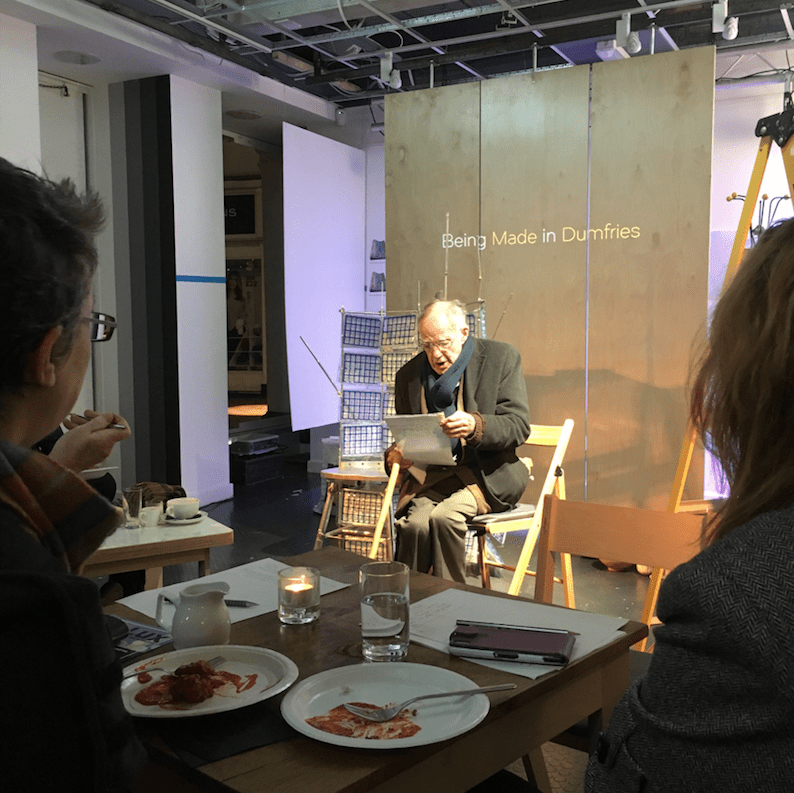
Last week we were delighted to host the event ‘Contemporary Creative Currents in Scotland’ featuring two illustrated talks by national cultural figures –  Andrew Crummy and Collective Architecture. Presented by The Saltire Society and The Stove Network, the event was in memory of Gordon Robertson who was an active and much missed member of both organisations.

The first talk was by Ross Aichison of Collective Architecture; an award-winning, 40-strong, employee owned studio across Glasgow and was established to pursue themes of participation and sustainability in architecture. They are are one of the most exciting young practices in Scotland and unique in the way that they are structured to give all who work there a say in the work of the practice. Ross gave a fascinating acoount of the design ethos of collective and two specific current projects, one in Dundee and the other in the old school site in Lockerbie.The next talk was from Andrew Crummy, an independent artist. Andrew Crummy has a unique place in the history of community art in Scotland. His mother, Helen Crummy, started the highly influential Craigmillar Festival Society which began as a grass roots festival for local children and grew to become a launch pad for household names such as Billy Connoly, Bill Patterson and Jimmy Boyle.

Andrew grew up within this amazing cauldron of creativity and gave a first hand account of the people and the ethos of the community projects in Craigmillar and the associated works around the country. Andrew himself became an artist and is best known for leading the Great Tapestry of Scotland Project which involved over 1000 volunteer stitchers and is now being housed in a specially built venue in Galashiels.Andrew wrote the chapter on Scottish community art in the book published last year called ‘Culture, Democracy and the Right to Make Art – The British Community Arts Movement’. At the event, Andrew announced that the rights to this book has now been bought by Manchester University who have made it available as a free download link here

The evening was in memory of Gordon Robertson, a man of wide-ranging and eclectic interests, which were rooted deeply in his local community in Dumfries and his upbringing but ranged across genres from painting to writing and opera. He was particularly keen on international travel and a regular on exchanges to Gifhorn (Dumfries’ twin town in Germany) whilst at the same time nurturing a strong commitment to the culture and history of his beloved Dumfries.
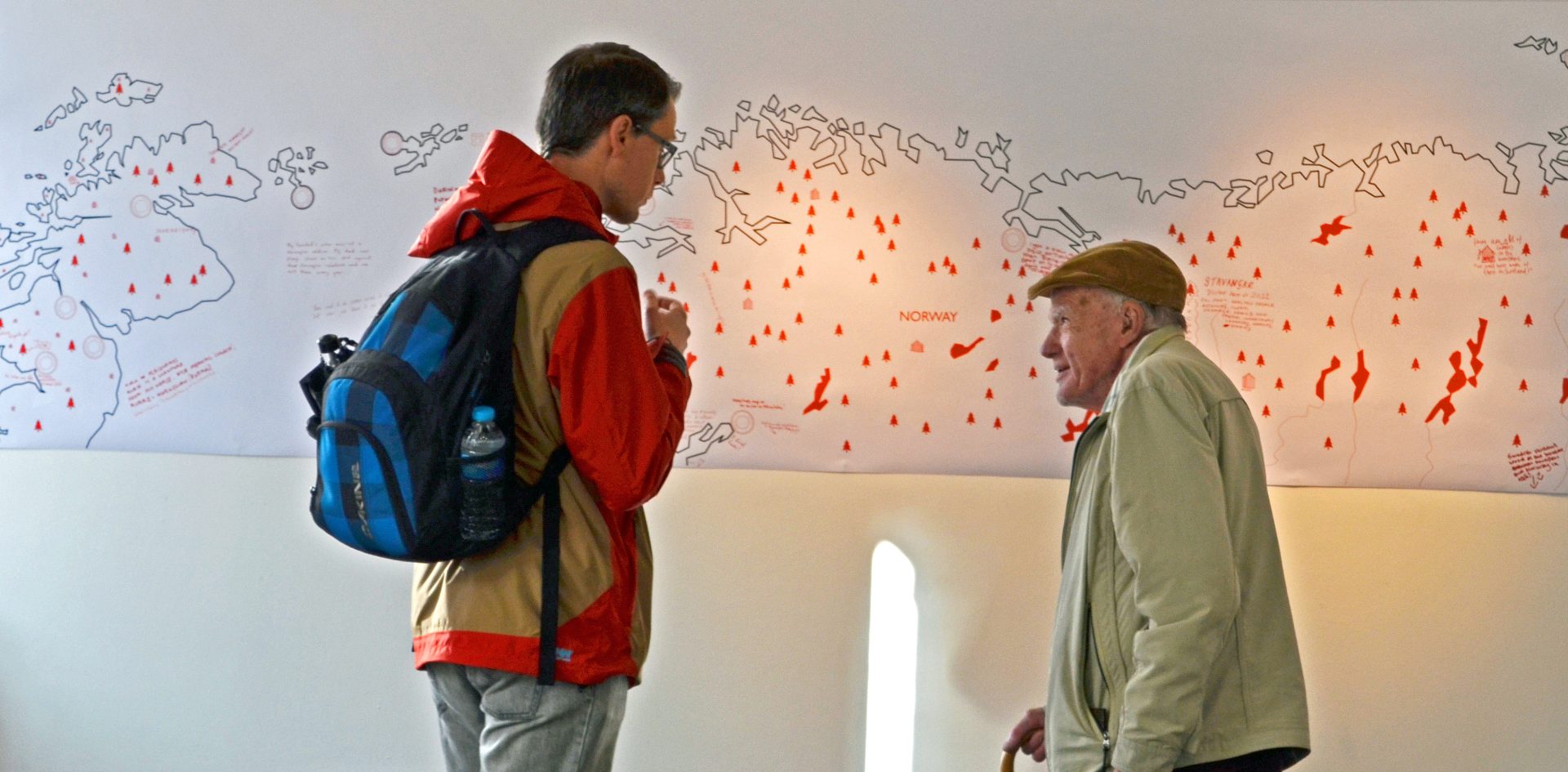
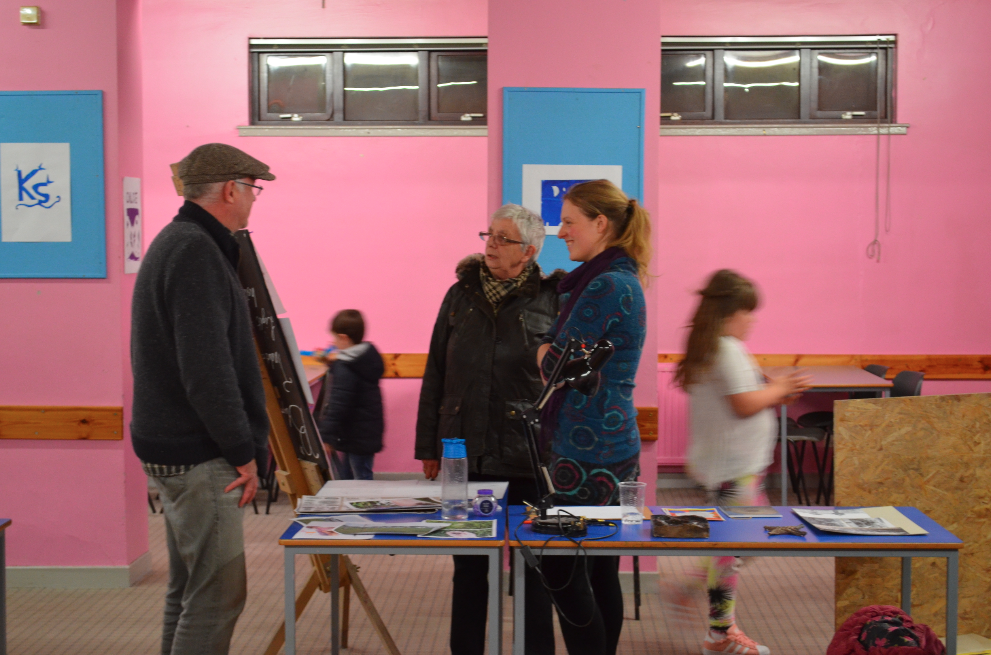
A collection of his paintings was also exhibited in The Stove Cafe space. In Gordon’s later years, it was his artwork in particular which held his greatest interest – his style and his different use of mediums was wide ranging and topics were diverse with particular focus on local landmarks but also featured interpretations from his travels to Germany and Iceland. 

He frequently had his paintings exhibited in venues across the community, he was very knowledgable on multiple subjects and wrote many articles on topics of historical interest and would speak at local events – he was a passionate Burnsian and therefore a ‘weel kent’ face in the local community. If you ever passed him in the street and exchanged a pleasant ‘How are you Gordon’ you had to be prepared for a long response… and more often than not you would leave knowing something that you didn’t know before the encounter started!

His death at the age of 82 earlier this year will leave a void in the community and his enquiring mind along with his ability to retain a vast memory of historical knowledge even in his later years will be sadly missed. However, the small selection of his work which was exhibited will allow his memory to live on and is a fitting lasting legacy to a very special Doonhamer. 
Categories
News

Lochside Public Art Project: New Artists!

Following our recent call out for artists to work on two new commissions as part of the Lochside Public Art Project, we are delighted to introduce the artists that were selected! The application process was highly competitive, with a variety of brilliantly different artists applying from across Scotland to work on the project.

The Lochside Public Art Project consists of four separate projects, two currently ongoing, and these two new projects that are just starting, all four will be completed by the end of the year. The project has been created by The Stove Network in partnership with DGHP, (Dumfries and Gallloway Housing Partnership) to create new permanent artworks as part of their new housing development, The Meadows, in Lochside, North West Dumfries.

Our call out was for two separate commissions:

Corners and Offcuts
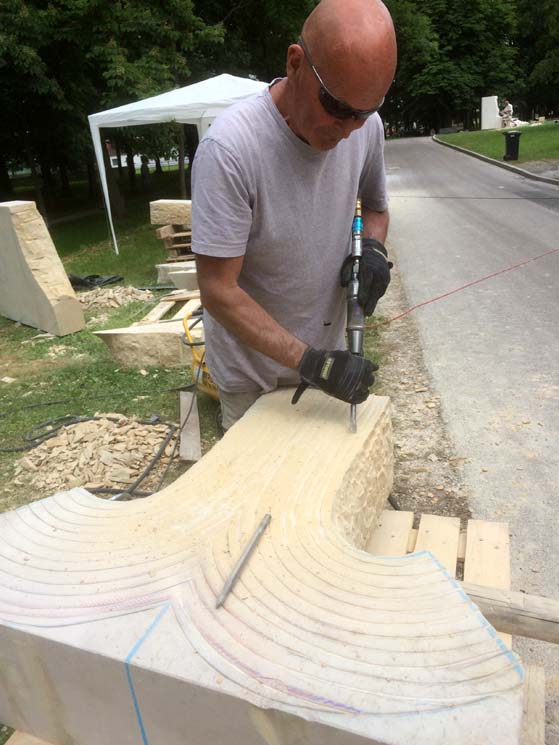
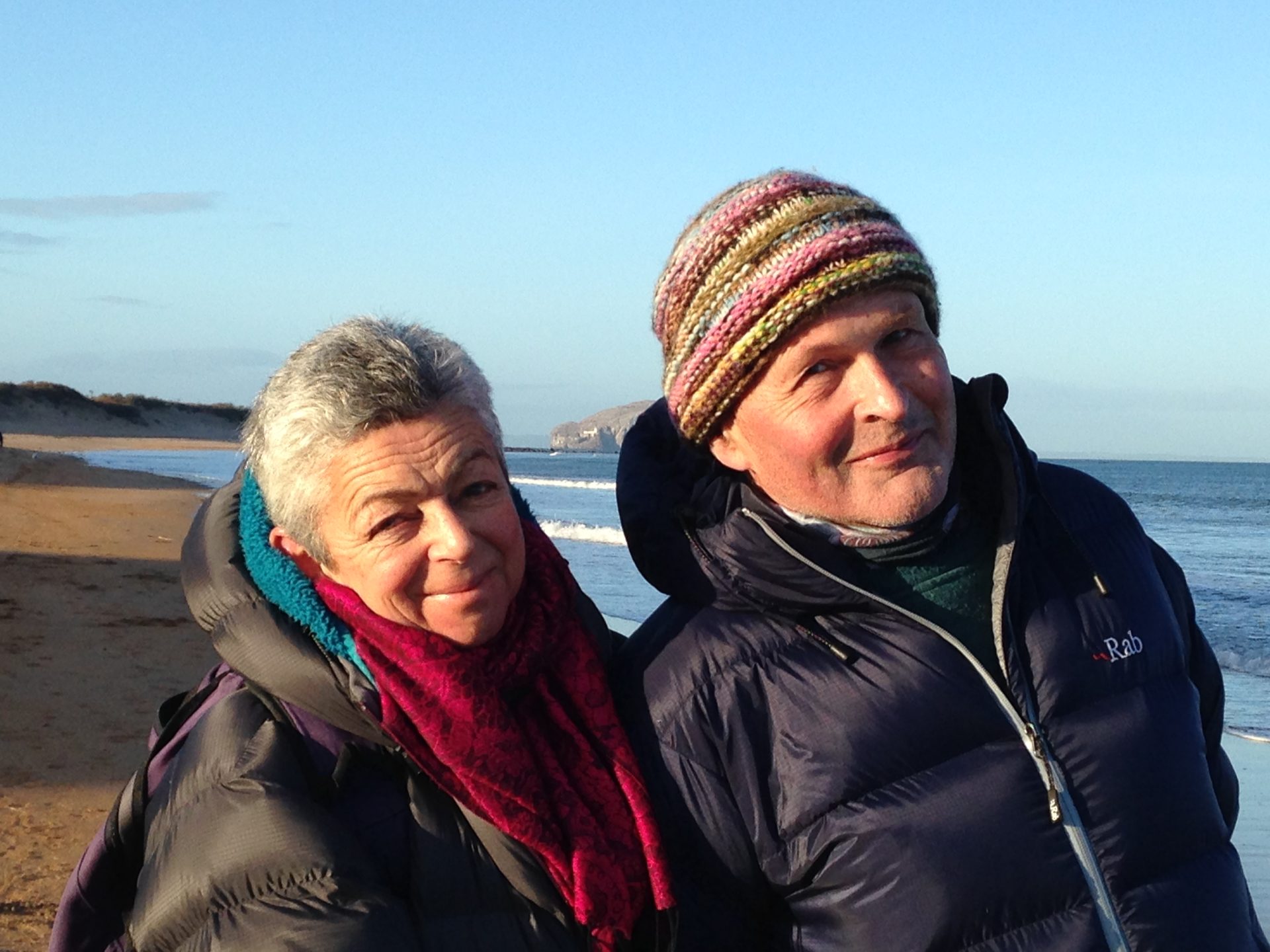
A commission to look at ‘left-over’ and ‘in-between’ spaces around the new housing development, that can create interesting places for residents to pause, and can utilise some of the underused parts of the site. For this project we have commissioned Susheila Jamieson and James Gordon, artists and stone carvers based in the Borders, and have previously worked on Summerhill’s Land Art project. More about their previous works available online here

‘Jamieson and Gordon are a design company specialising in creating public and socially engaged art installations in the UK and abroad. Susheila Jamieson is a professional sculptor and arts educator, and James Gordon, a landscape designer, also sculpts. We produce commissioned artworks in consultation with local communities. Cultural heritage and other aspects of place are often a starting point for developing ideas. Much of our work is abstract and is often inspired by the wider landscape and aspects of nature. Past commissions include work for Woodland Trust Scotland, Newcastle City, East Lothian, South and North Lanarkshire, Clackmannanshire and Dumfries and Galloway councils, Sustrans and various housing associations.We use materials that enhance or reflect the environment including Corten steel, green oak, stone, galvanised steel, ceramic, bronze and glass. Our work is unique, robust and intended for outdoors.

Developing designs for artwork is often undertaken in conjunction with community/stake holder groups, and we enjoy working with and running workshops for varied groups including schools and adults.

We are delighted to have been selected to create new work for Lochside. We have worked in Dumfries before and know that different areas of the town have different identities. We are keen to create work that reflects and celebrates the unique character of DG2.   The artworks will be “carved in stone” and we are looking forward to working with the local communities of Lochside and Lincluden to develop ideas and designs. “Taster workshops” are being planned where local residents can come and try stone carving and tell us what they would like to see incorporated into the artwork – these will be advertised on the Creative Futures facebook page, and in the North West Dumfries area.’

Susheila Jamieson and James Rachan – new artists for the Corners and Offcuts commission!

Signs and Symbols
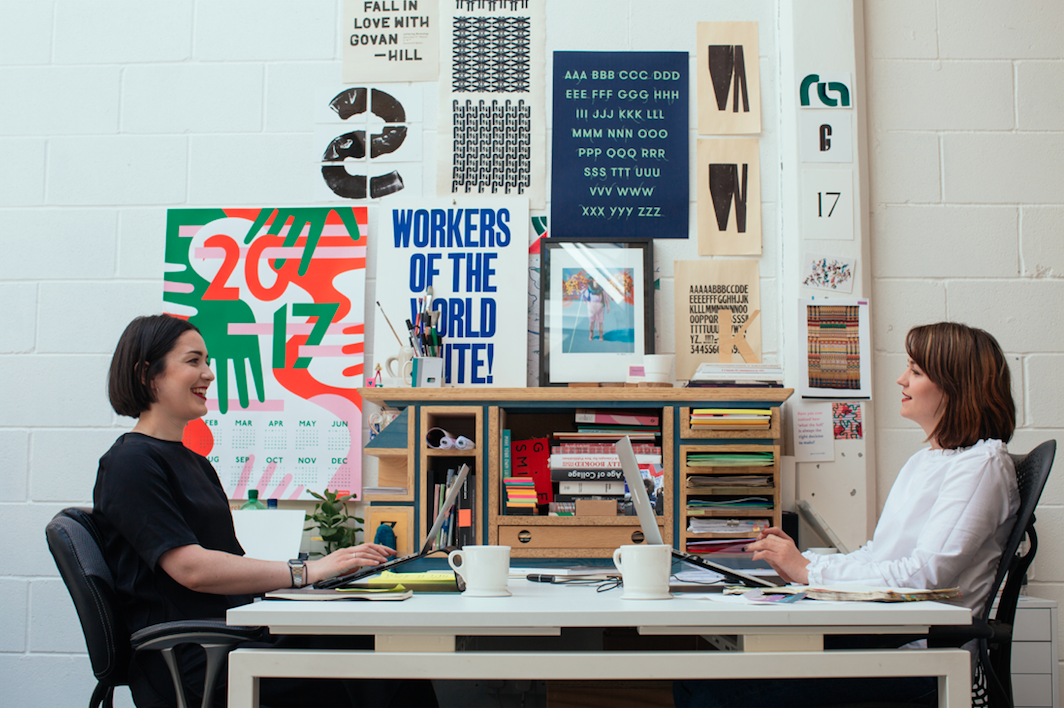
Our second commission, Signs and Symbols looks to create a new visual presence across the Meadows site, taking inspiration from the wildlife and environment of the surrounding areas, the new housing styles, and ideas from local residents. For this project we have commissioned Glasgow based Design by Zag, graphic design company ran by Kat Loudon and Kirsty Geddes. More about their previous work available online here

‘Design by Zag, run by Kat and Kirsty, is a design company based in SWG3, Glasgow. As trained graphic designers, we have a strong focus on research which we use to formulate ideas, drive concepts and create relevant and meaningful projects.

We are delighted to be have been selected by the Stove Network and DGHP to work on the Signs and Symbols commission. We look forward to meeting the people of Lochside to create this piece of work for the local area.’

Kat and Kirsty of Design by Zag: new artists for the Signs and Symbols commission!
Categories
Musings Project Updates

Tattiefields Community Evening

From Katie Anderson – Lead Artist for Tattiefields
Tattiefields has awakened a true fascination with all things tattie-related as I’ve spent the summer working and re-working ideas for a new public space as part of a housing development in North West Dumfries. From the names of potato breeds, to their origins, growing seasons and varieties, good recipes to creative projects – I’ve started to go a little tattie-mad.

We decided to host an evening to share this new obsession, towards creating a bit of identity for the Tattiefields site, and also to become the first point for sharing the proposed designs for the location. Exciting times.

Tattiefields 1

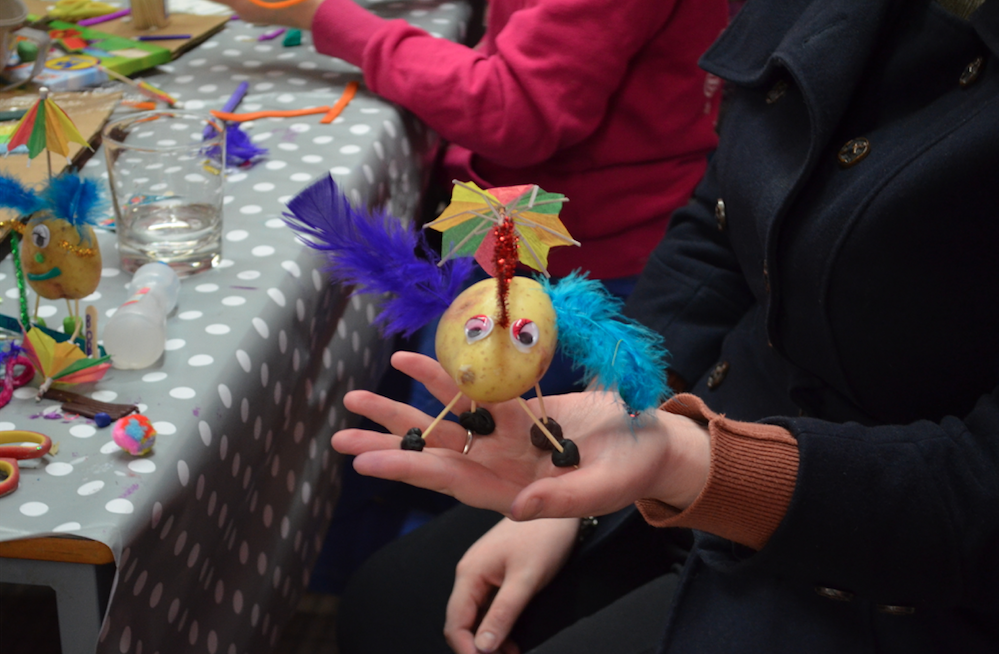
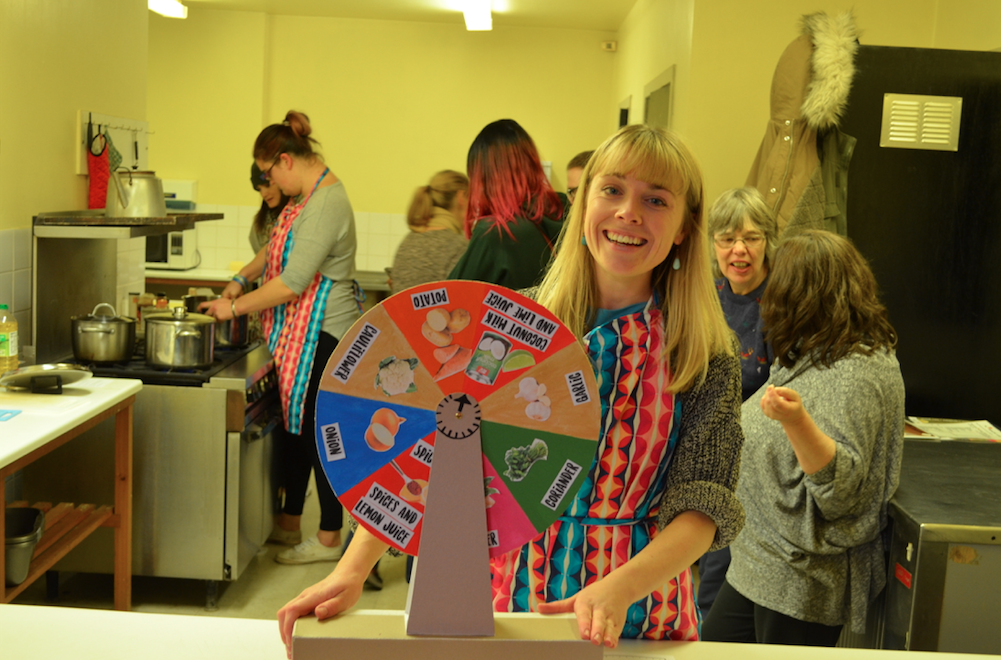
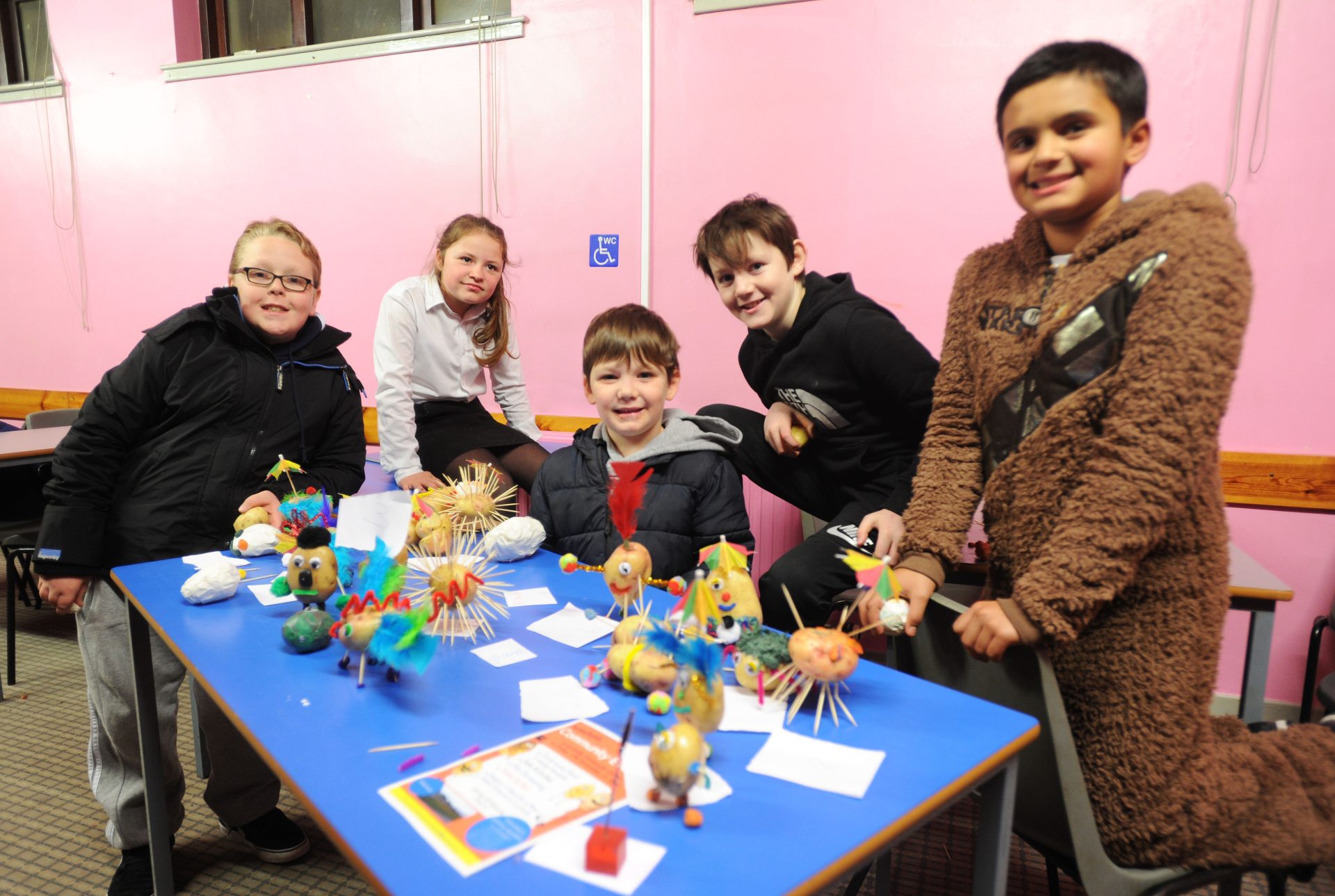
The evening included a creative workshop inventing potato men, women, children, animals and aliens…, a curry cooking workshop, the sharing of new designs, a tattie buffet and ended up with some film screenings and the impromptu judging of the best tattie people creations. The event allowed Kirsty Turpie and I to really embrace our love of food as art and art as food, with (I hope) excellent results!

Tattiefields 2 _ KMcE
Tattiefields 3 KMcE
Tattiefields 4 MM
Tattiefields 5 KMcE
Tattiefields 6 KMcE
Tattiefields 7 MM

I’ve had some really great feedback to the designs, and now looking forward to getting into the production phases for the project! I am still very keen to speaking to anyone who is interested in developing a project to support vegetable growing, either in gardens in and around Lochside, or on site at Tattiefields in the Spring. If you have an idea or are interested in sharing some vegetable growing skills, please get in touch by email katie<at>thestove.org.

Tattiefields is part of The Stove Network’s Lochside Public Art Project, working in partnership with DGHP and Creative Futures Lincluden and Lochside.

Big thank you to project assistant Kirsty Turpie, Michael, Liam Templeton, Agne and Jimmy and Matt B for all the support in pulling the evening together. Thanks and image credits to Kirstin McEwan and Michael. To see the extended picture gallery, visit our Flickr page here

Categories
Musings

Dumfries Fountain – History and Future?

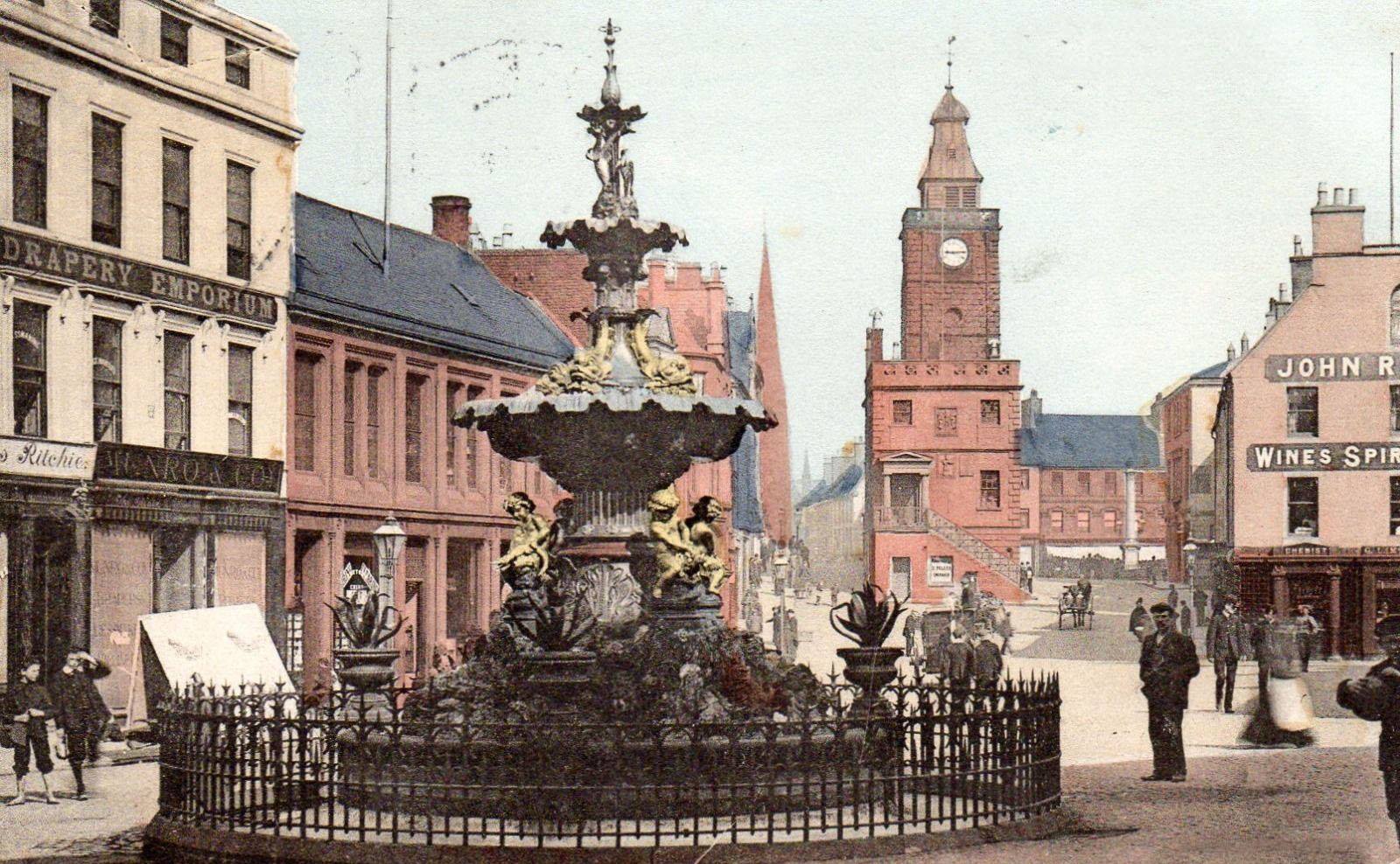
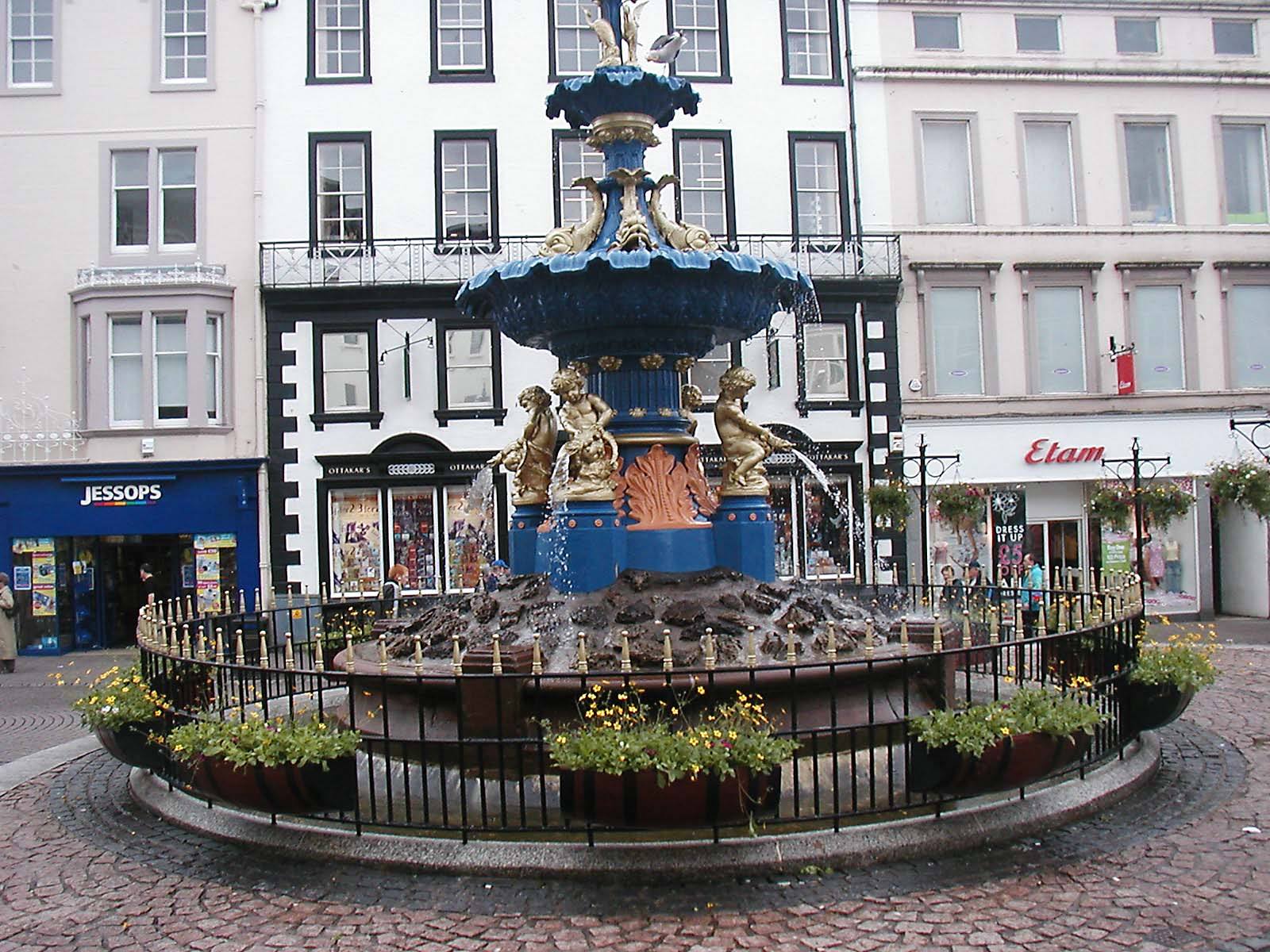
Kirsten McClure Rowe has recently been in touch with the Stove as she has recently been researching into the history of Dumfries’ fountain, with the aim of hosting a crowdfunding campaign to restore the fountain to it’s former glory. Her proposal includes stripping back the layers of old peeling paint and professionally restoring it to it’s original colours which were gold and bronze with cactus painted to appear real.

The following is some of Kirsten’s research into the history, and potential future for the Dumfries Fountain:

‘On the 5th of December 1882, Provost Lennox unveiled the fountain which stands on Dumfries High Street. It was made by the Sun Foundry, Alloa and is one of only two models of its type known anywhere in the world. The fountain commemorates the supply of public drinking water to the town from nearby Lochrutton.

The first pipe of the waterworks was laid on 16th January 1851 after many years of wrangling by various committees in Dumfries and Maxwelltown. Many felt that the pipeline wasn’t necessary and that the half a dozen or so seepage wells, which supplied some of the water and the bulk of the supply taken by the “burn drawers” in their dirty wheeled barrels from just below the main sewerage outlet in the Nith and sold at a penny a bucket, were sufficient.

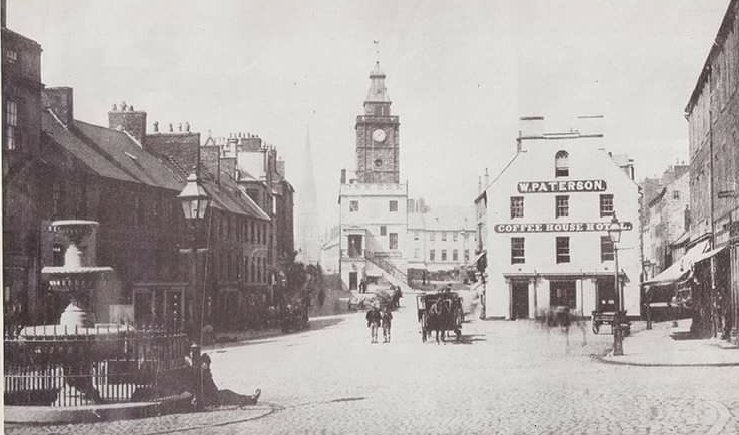
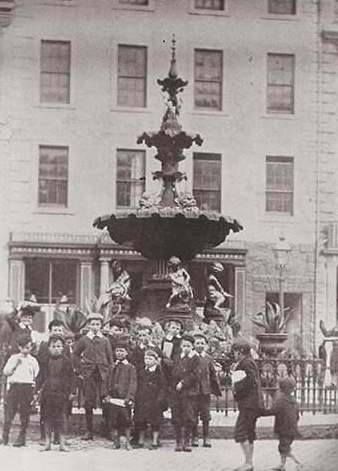
Original Fountain circa 1870

In September 1832, Cholera struck Dumfries. A total of 841 people contracted the disease and 421 died within Dumfries, with a further 237 becoming ill in Maxwelltown of which 127 died. A mass grave at St Michaels churchyard bears a memorial to 420 souls. Unofficial figures state that as many as 700 coffins were produced in the 3-month period of epidemic which ended on 27th November 1832.

“In 1848 cholera struck again. The infant Scottish Board of Health, with little real power, sent Dr John Sutherland from Glasgow, a man of strong personality. He found corpses lying in the streets and no action being taken at all. He got a medical board organised, a house cleansing programme under way and immediately tracked the cause to the water supply and cleared up the epidemic, but not before 431 people had died out of 814 cases.”

Colours of the Fountain in 2004

As early as 1765 there had been proposals to introduce a clean gravitation water supply into the town, however it took until 10th May 1850 for a Committee of the House to give a unanimous verdict in favour of the promoters. As it was chiefly working-class areas that suffered in the first cholera epidemic, it was suggested that intemperance and lack of religious faith had led to this divine punishment of the poor. It was only after the middle-class residents of Dumfries and Maxwelltown began to fall ill, that any real action was taken.

A newspaper article from 22nd October 1851 reports the “Record of Public Introduction of Water to Sister Burghs of Dumfries and Maxwelltown” “This boon has been secured after a severe and protracted struggle against the ignorance, apathy, prejudice and selfishness, which formed a strong anti-sanitary battalion that was, with difficulty, beaten from the field” “When the news arrived in Dumfries next day, the bells were rung and bonfires kindled in token of the general joy”

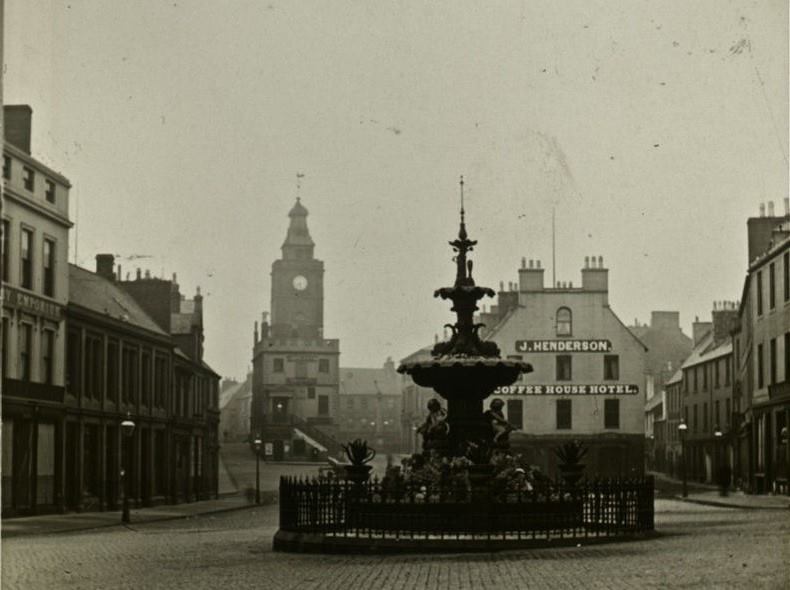
Early 1900s
Early 1900s

“The 21st October 1851 was chosen to introduce water from Lochrutton. Midsteeple bells rang, music from the Annan band played and flags flown”. “A fountain was erected between the Kings Arms and Commercial Hotels being the principle place of resort for the congregated crowds” “This structure, formed of fire clay is in a Roman style of art with Grecian ornaments and is very handsome”

The opening ceremony was performed by Provost Nicholson and was not without incident. When the Provost turned the valve, water shot into the air and descended to soak the assembled citizens!

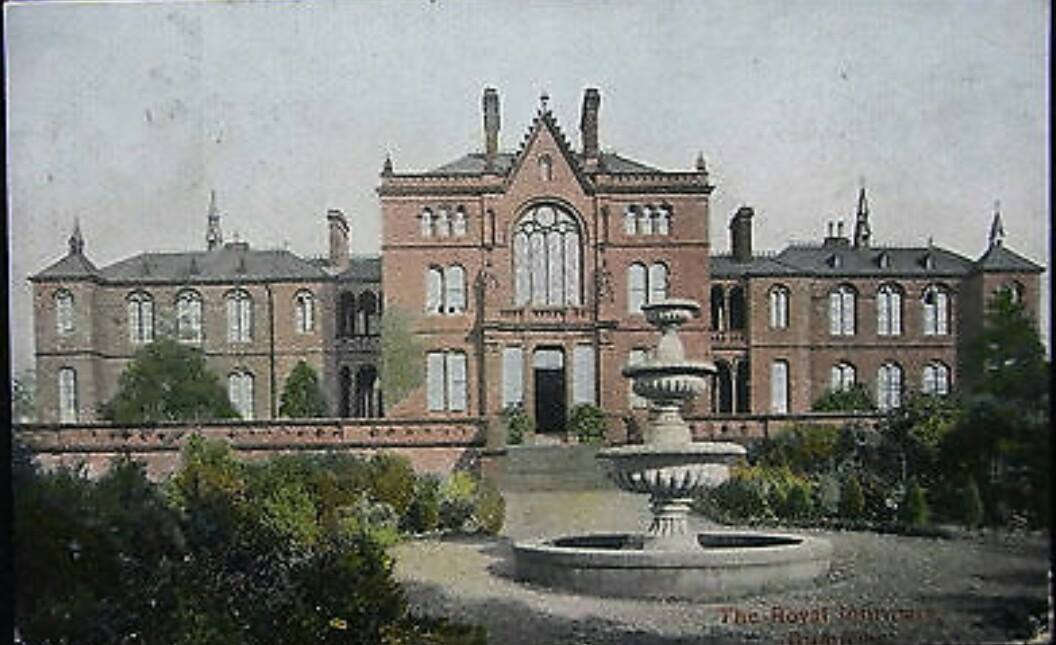
This fountain was only ever intended to be a temporary fixture and was moved to Nithbank Hospital when our current fountain was unveiled 30 years later.

The fountain is no longer at Nithbank and further investigation is needed to uncover its current whereabouts.

Original fountain sited in Nithbank

The district council funded the purchase of the new fountain from the Sun Foundry, while donations from the townspeople of Dumfries paid for its decoration. A total of £191.0s 6d from 221 subscribers was raised. The fountain was a glorious sight to behold and the townsfolk crowded onto the High Street to witness the unveiling. The Dumfries and Galloway Standard dated 6th December 1882 describes the fountain in vivid detail.

Brilliant painted photo showing original colours

“The boys, the dolphins and the storks are entirely gilded and look to be figures in massive gold. The ground of the fountain is bronzed with some of its conventional details displayed in gold. On four pedestals in the freestone basin are placed as many iron vases holding each a large iron cactus, coloured so cleverly after nature, that many who saw them thought they must be real.” – where are these cacti filled vases now?

Boys at the Fountain 1900

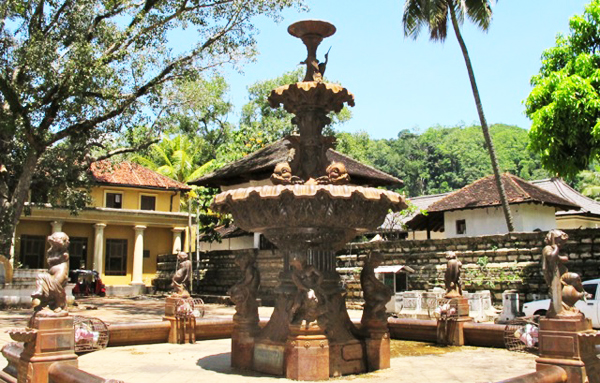
In an amazing coincidence, the town of Kandy in Sri Lanka has an identical twin fountain! The inscribed dedication on the fountain reads “Erected by the Coffee Planters of Ceylon in Commemoration of the visit of Albert Edward, The Prince of Wales (1841-1910) to Kandy December 1875.” The Prince of Wales was the eldest son of Queen Victoria (1837-1901) who succeeded his mother as King Edward VII (1901-10). It was recently renovated and ceremonially bequeathed to the public of Kandy in June 2013.

Prince of Wales Fountain in Kandy, Sri Lanka

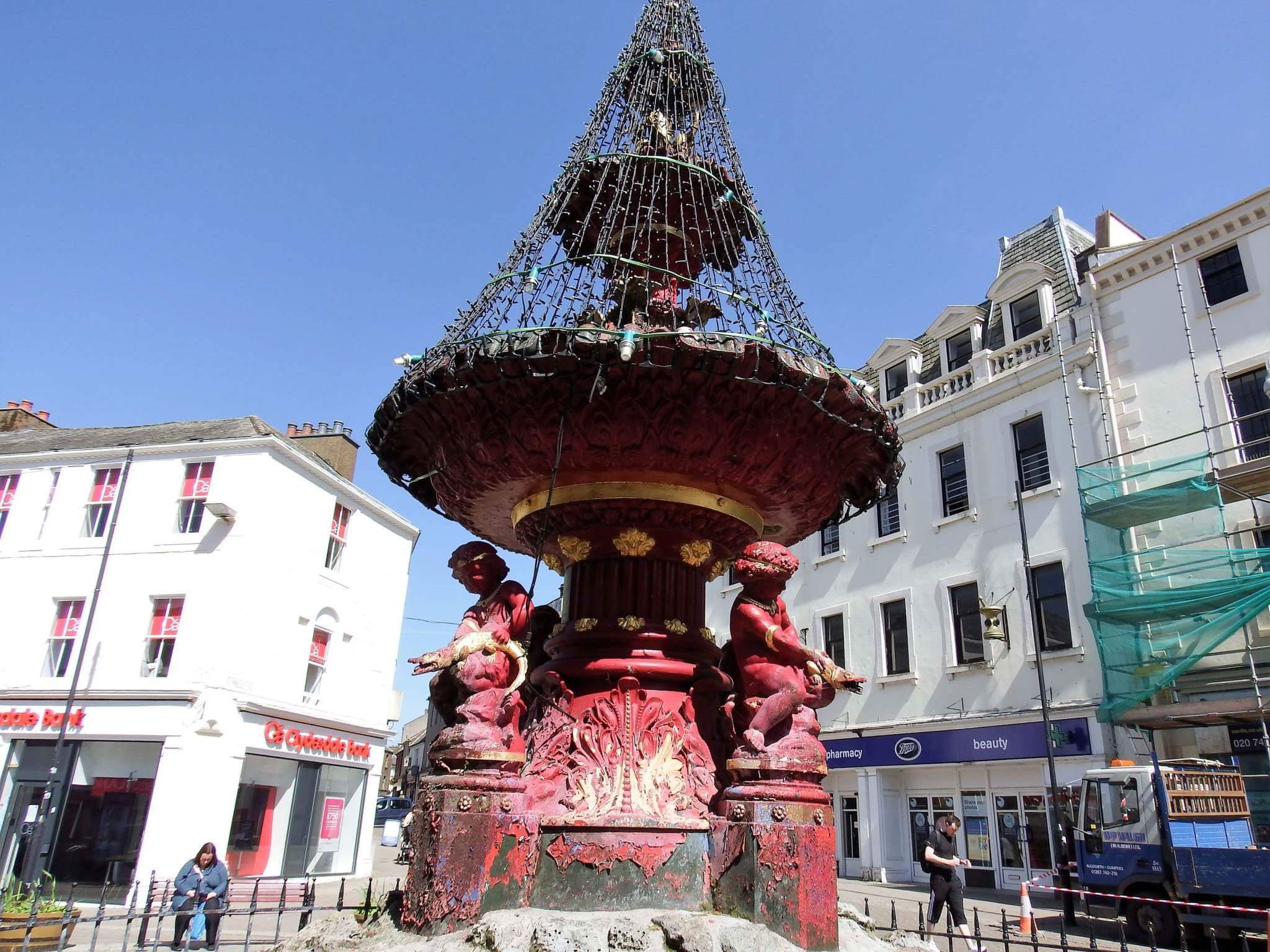
Our fountain is a hugely important part of our social history. It marks a turning point for our ancestors, the people of Dumfries. It currently stands in a very sorry state with peeling paint and green algae. This once celebrated jewel of Dumfries town centre needs our help. Sadly, due to budget cuts, the maintenance of the fountain has not been a priority for the local council. Therefore, it falls to us to rescue it and bring it back to life.’

Sad fountain
Categories
Musings News

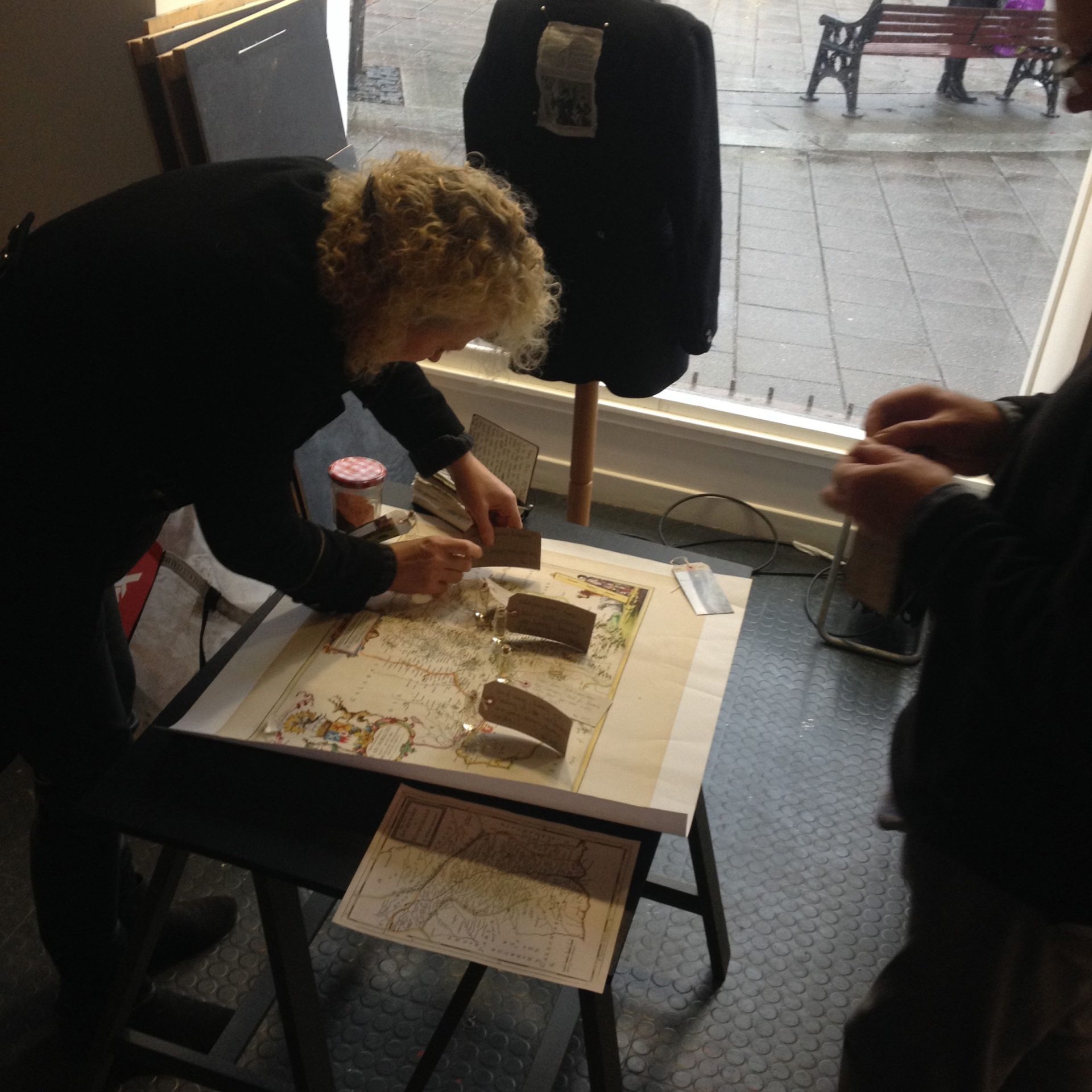
Quest 3 at SUBMERGE

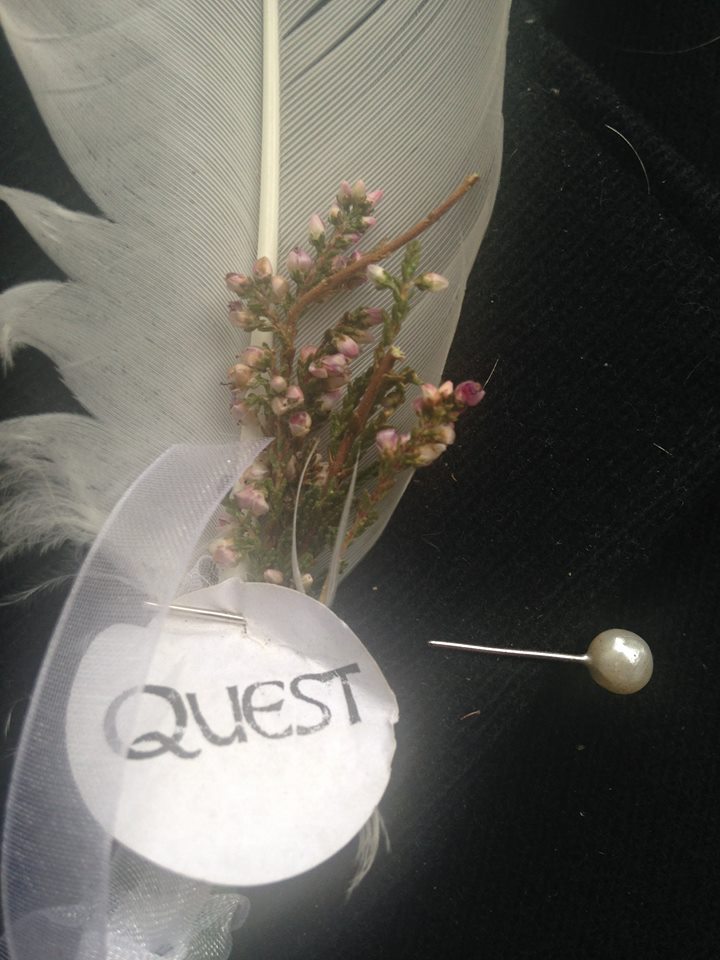
“Quest” is an ongoing environmental project by artist Jan Hogarth, exploring our relationship with the environment, land, and water. Jan’s working practice grows out of a deep love of the land (in the broadest sense of the word—by “land” I mean water, trees, animals, mountains, etc.), an empathy for it, and a deep desire to heal it. Jan has been working with Sheila Pollock, a practitioner in the healing arts for over 30 years, and invites others who love the land to become involved in the environmental art quests.

In Celtic tradition, healing wells, springs, and the sources of rivers were thought to possess sacred and healing properties.

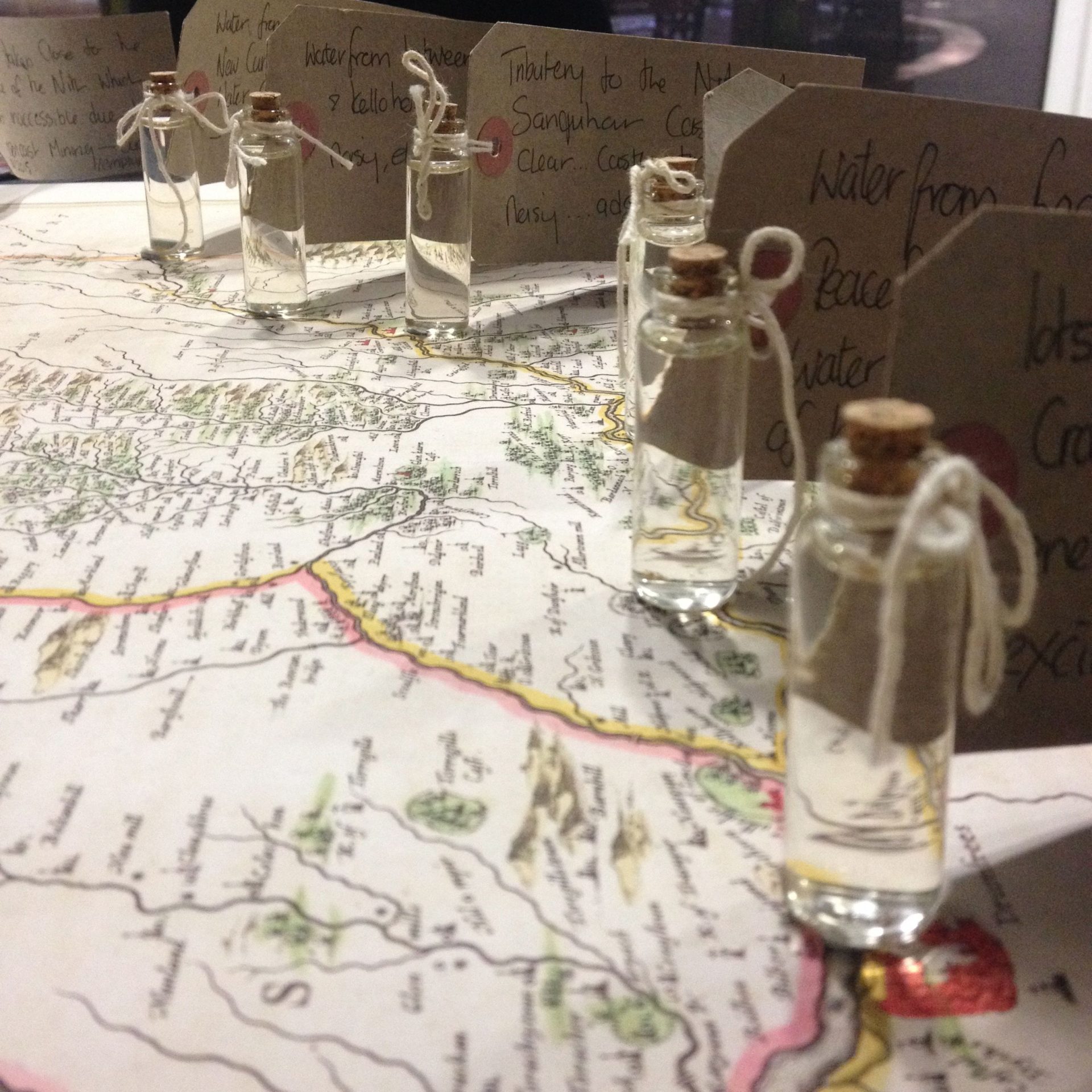
“Quest” explores rituals and the truths behind them to create and invent new environmental art rituals aimed at healing the environment. The idea of searching for the source of the Nith originated from a local rumour that the Lynors of Dumfries Guid Nychburris took spring water from the source of the Nith and carried it with them when they rode the boundaries of the town. My friend Sheila, who has been working in the healing arts, and I went in search of the source of the Nith, which is located at Dalmellington in Ayrshire. Instead, we found an environmental catastrophe in the form of open-cast mines and landfill sites, with no access to the source due to the activities of the open-cast mine operators. It was shocking—how could this river be healed when its source serves as an example of how we take from the land without empathy for our energy consumption? This seemed to act as a metaphor for the wider issue of climate change. The problem lies with us—our lack of love for non-human life and our lack of reverence for nature, water, and the land.

Sheila has worked with Jan on the Quests project, focusing on the energy of water and its places, and exploring how to lift that energy and raise its vibration. Through dowsing, there is evidence that the vibration of the water she worked on during Quest 1 was raised, and that improvement has been sustained. The Nith presents a significant challenge due to its source in an open-cast mine. Sheila and Jan will be discussing this on Thursday evening at the Stove as part of their work.

Jan’s install in preparation for SUBMERGE

Quest is part of SUBMERGE, an exhibition featured in ArtCOP Dumfries, running daily from 10:00 am to 5:00 pm until Saturday, 12th December.

Jan and Sheila will be discussing Quest as part of A Question of Scale

Categories
News Project Updates

Thinking Differently About Our Town

Dumfries is a town at the gateway to Scotland. Famous for its relationship with Rabbie Burns, the town is the nodal point of the region (Dumfries and Galloway) and has a strong heritage and an even stronger cultural potential.

Cities, towns, and villages across Scotland are reimagining their centres and the functions they serve within their urban settings.

Inverness is creating various artworks along its River Ness, ranging from simple signage installations to engineered viewing platforms. Oban is reinventing its waterfront and becoming a hub for the Hebrides. Helmsdale has centred its village around arts and heritage, with a wonderful cultural centre that is growing by leaps and bounds. Even rural Scotland is part of the movement, with initiatives such as the Scottish Scenic Routes, Spring Fling, and the North Coast 500 aiming to redefine the landscapes in which they are situated.

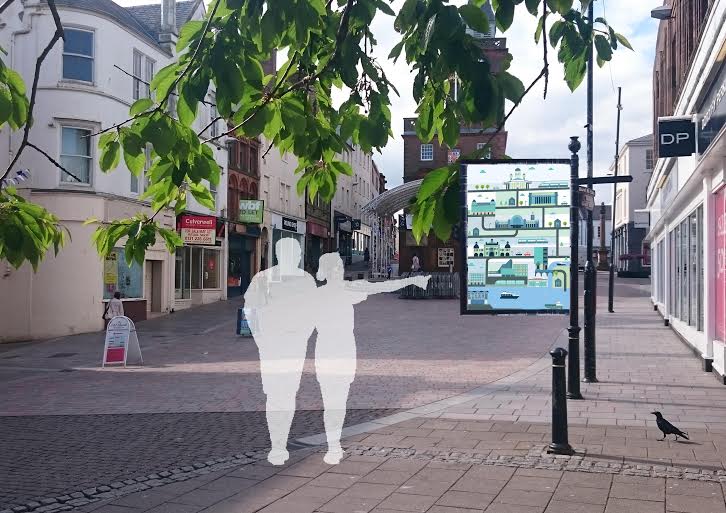
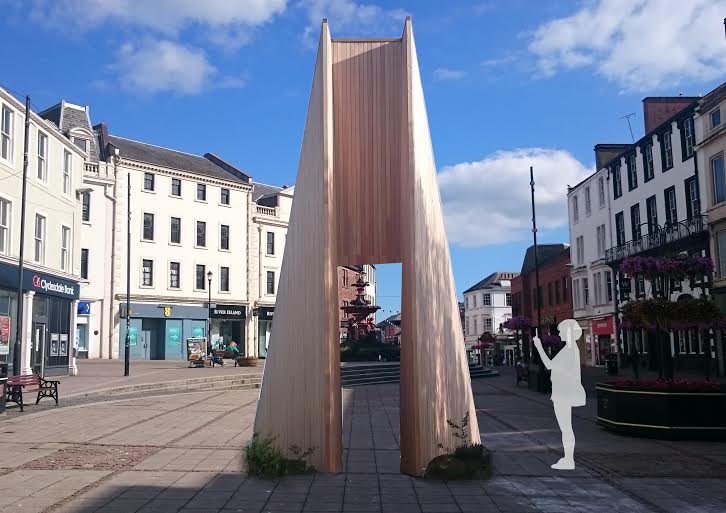
Dumfries shares a similar ambition: to reinvent, reimagine, and reactivate its high street, town centre, and the wider region. The Stove Network, working in collaboration with Lateral North and creative organisations throughout Dumfries, would like to invite you to contribute your ideas for the future of Dumfries—ultimately to generate new concepts within the town to showcase the heritage, cultural, environmental, industrial, and creative communities that thrive here.

Join us to design these interventions, contribute your ideas, and discover the Dumfries you don’t yet know.

If you’re someone with a passion for the town of Dumfries and a commitment to being part of its future, join us for the Cultural Wayfinding Workshop on 15th July at The Stove.