Support Us
Categories
News Project Updates

Lowland: Re-Imagined

In the good old days, if you recall, before the big bad virus swept across the world. You know, that flu that awakened our most primal of fears, leaving us high and dry, bleaching banana skins from the supermarket shelf and losing all concept of social cues and humility. The ‘good times’, before bumping into an old colleague in the supermarket left you equal parts scattered like some unassembled jigsaw and petrified, marooned and struggling in vain to stitch together some semblance of a normal, pleasant English sentence from the ruined, anxiety ridden attic of your mind whilst gripping a bottle of disinfectant (anti-viral of course) just in case they dared step foot within your 2 meter sanctuary of social isolation.

Pause for air.
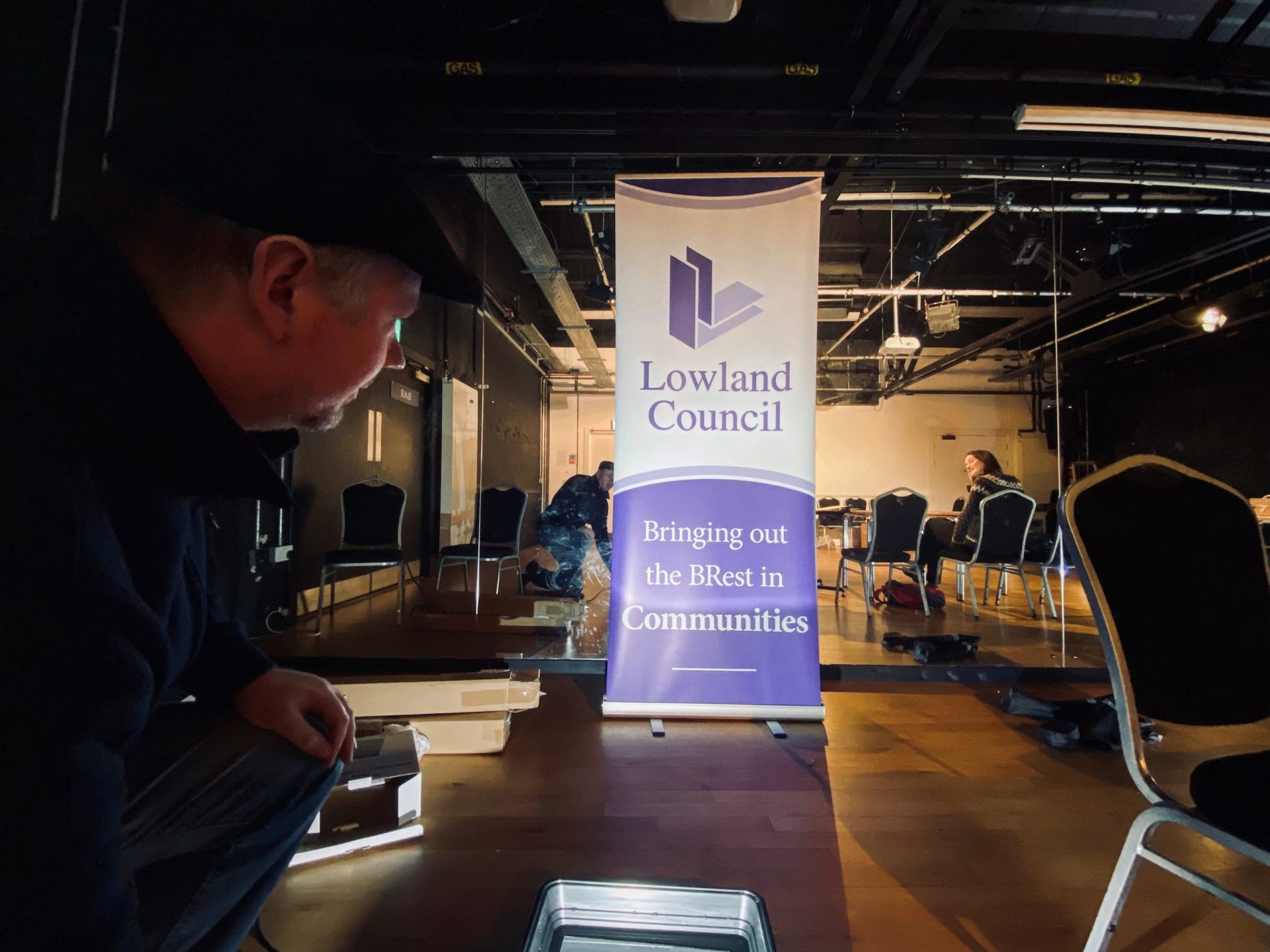
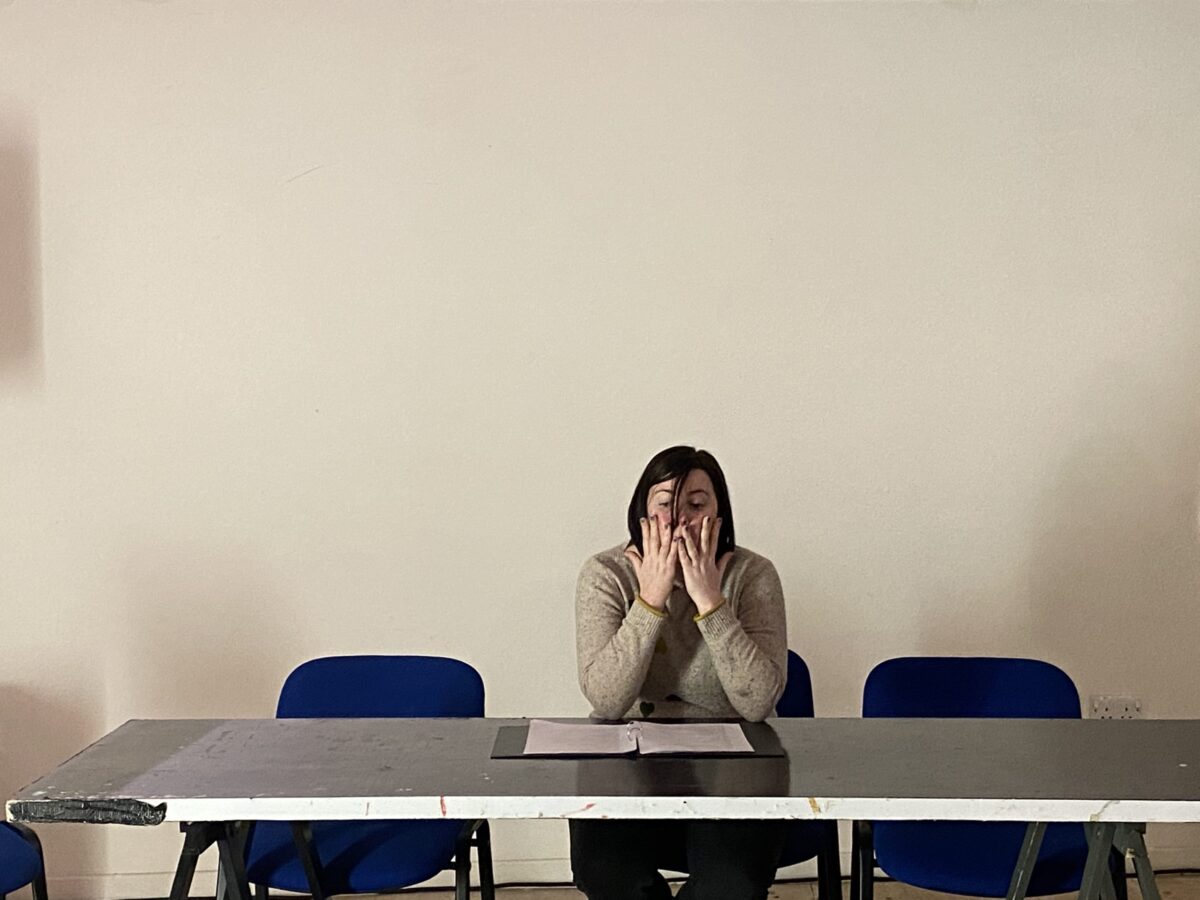
Well, before all that, we had such things called ‘plays’. ‘Plays’, or ‘live TV’ (not really, but bear with me) were these real-life moving pictures where people called ‘actors’ would perform words written by writers, too strange and socially awkward for most other professions.

These ‘plays’ would be performed in ‘theatres’. Theatres were buildings that came in all shapes and sizes. From majestic stone coliseums in Greece, to tiny wee almost-shed-like structures near Whithorn on the Galloway coast. Yes, they were quite the hit for some time. People would travel in their millions to a tiny, expensive over-crowded city in Scotland to watch some semi-sane people dance and prance their way on stages in dive bars and portaloos. The legends of the Internet are rife with memories and photographs of these most magical, dumb and dangerous shenanigans.

Then the Big Bad came and ‘plays’ weren’t able to take place in theatres, with people, sitting right next to you, loudly chewing Werthers Originals, letting their mobile phones ring loudly occasionally interspersed with quiet farts now being considered a health risk. So much of them went online, in Instagram stories and glitchy Zoom sessions where you got to sit and stare at yourself, striking the odd socially-conscious facial cue to let them know you were in fact listening and not just scrolling through cat videos on YouTube. The same too happened here, at the Stove with the ‘Lowland’ play, ready to be performed in Lochside, Moniaive and Langholm, Lowland sank back into the dusty shadows of the rehearsal room and sat, patiently waiting for the time to return. Realising after three to four months that maybe wasn’t looking all that likely, it was time for a re-imagining!
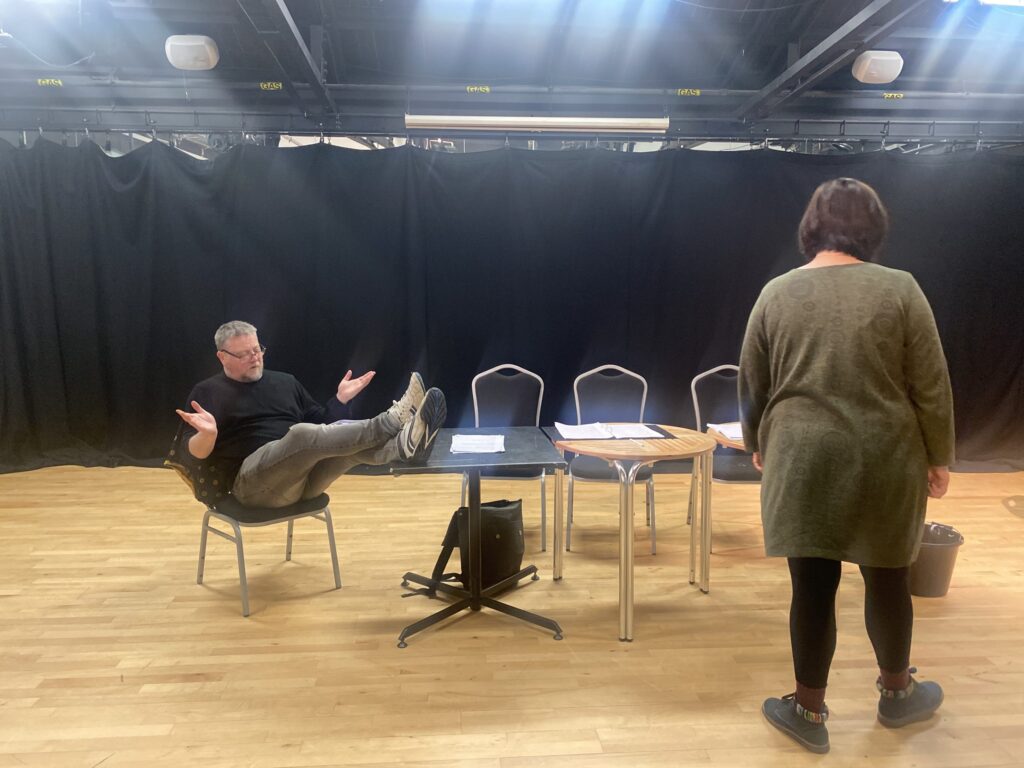
Originally conceived and developed with the help and guidance of local young writers, poets and dramatists, Lowland initially explored what it meant to ‘belong’, using postcards filled out by Doonhamers, featuring drawings, poetry, stories and the occasional dirty joke. Over 500 of these postcards were filled out during poet Stuart A Paterson’s residency with the project over a year ago.

As time went on, the play started to take a bit of shape. Several adaptions, rewrites and voyages into dead-end dark tunnels later, the play was ready to be rehearsed with a talented community cast of local actors, writers and performers. Just as it was coming to the scripts-down, lights up, camera action…the big bad burst on through the stage door and it all went quiet.
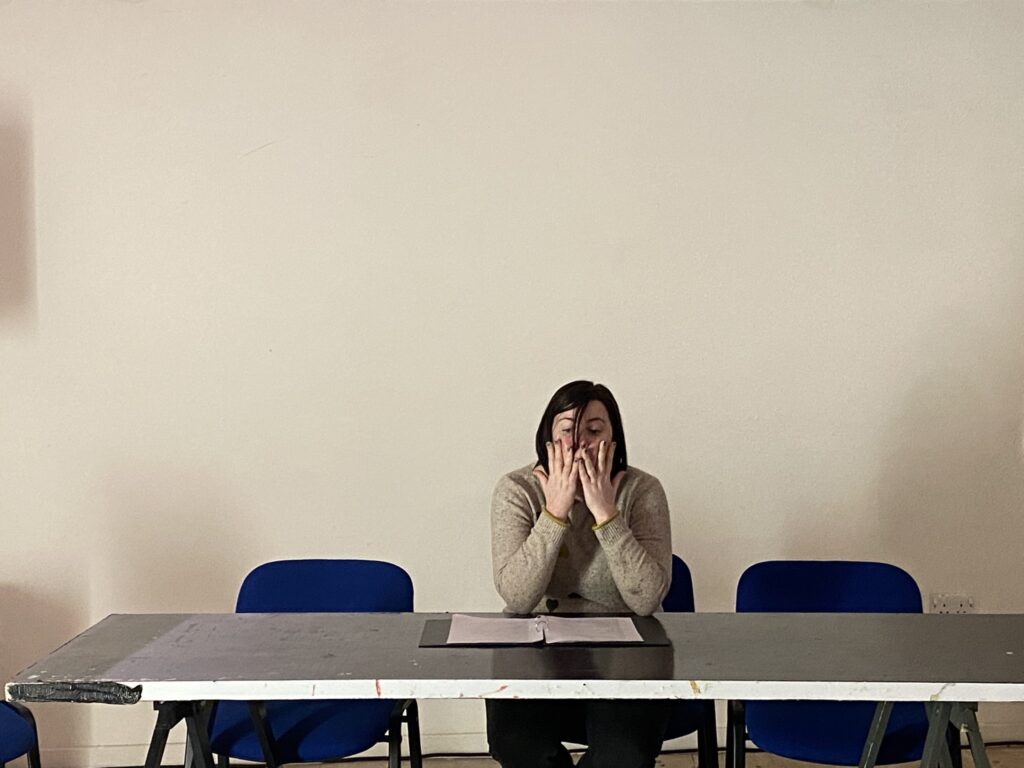
Since then, the play has been re-adapted as a podcast in 2 chapters (originally it was meant to be a radio play but there was just too much swearing). Following on from the cast’s first digital get-together and read-through of the adapted script, we are embarking on a journey into the world of audio plays!

We can’t say it’s been easy. Four months of mourning for live theatre and foggy lockdown head doesn’t do a playwright any good. And the pubs were closed. Yet now, ladies, gentlemen and everyone in-between we are delighted to be returning to the rehearsal room (albeit in cyber space) and are almost ready to buckle down and get recording! Lowland: The Play is on its way. And we can’t wait for you to hear it…

So, what’s it all about?

‘Let me get this straight. You’re telling me I have to present some new fangled resources centre, right in the middle of the scheme, with little to no idea what it will actually be used for. On top of all this, they’re all here, Barnside, for a consultation. Only, there is no such thing. I’m nothing more than a salesman. And if I don’t do this. I destroy three years of clawing my way back out of the gutter…for a job.’

Barnside is sinking and the residents are on the edge of revolution. The local council, in its bleary wisdom, have been drafted in to ease the tensions. Only, not everything is as it seems and sooner or later, something’s got to give.

A play in two acts, inspired by over 500 postcards reflecting on life in Dumfries written by Doonhamers. Lowland: The Play features a community cast, devised through collaboration with local writers’ groups, communities and members of the local council, Lowland is the tale of a consultation gone wrong.

As Angela, a council officer, prepares for a consultation, one year in the making, her boss throws a curve ball, eradicating all her best intentions, leaving her and her assistants in disarray and woefully unprepared. As a storm rages on outside, a community prepares a coup d’état…

Lowland is a tragi-comedy, offering a satirical and emotional look at the nature of community, power, local democracy and belonging.

Next Up: Meet The Cast

Categories
Musings Project Updates

Trying to keep to ‘creativity as usual’ during lockdown

Guest Post by community artist & Blueprint100 Member, Kirsty Turpie

I was invited by the Blueprint100 team at the beginning of the year to run the Tuesday night Open Studio sessions. Blueprint has always been supportive of new ideas and giving young artists opportunities to try things out so they were happy for me to bring something new to the table. This was a series of talks about ‘Buildings that housed vibrant artist communities’. Of course The Stove is a building that houses a vibrant artist community but I wanted to explore with the Blueprint100 members, similar vibrant communities from history and from around the world, to see what we could learn from them and be inspired by. So we did just that.

Open Studio Model Making Workshop with Thomas Logan

However in March just as I was about to hold the third talk and Open Studio, dun dun dun…we all know what happened next, Scotland went into lockdown and it was no longer possible to continue the sessions. So being creative and innovative folk, we decided to continue online (after all it was the new craze to go online!). Along with Katharine Wheeler of The Stove Curatorial Team and Stove IT and website whiz, Robbie Henderson, we created Online Rooms on the Blueprint100 website to offer members a place to go to stay involved, inspired and entertained.

I came up with four different rooms: talks, opportunities, creative pastimes and a members’ gallery. It felt really exciting to be able to continue what I’d started for Open Studio, but in a new format. It also provided an opportunity to add new sections to the website that would be really beneficial to members on top of doing the talks. I contacted the Blueprint members and asked them if they would like to exhibit their work in the members’ gallery and had a great response. It has always excited me how much young creative talent there is in Dumfries and Galloway, so to be able to help them to promote their work and show others a taste of the wonderful folk that come along to Blueprint felt great.

Online Rooms Promotional Graphic
A Promotional Graphic for Online Rooms which illustrates the layout of the main page

At the start of lockdown when I was setting up Online Rooms, I also found a lot of great resources on the creative websites that I follow on how to survive as an artist during lockdown. These resources included lists of remote job opportunities, funding options and general ways of keeping inspired and entertained. This was something that I thought would be really helpful for Blueprint Members so included it on Online Rooms.

For the talks on Online Rooms I shied away from doing live videos and went for pre-recorded. This not only took off the pressure for myself but gave everyone at home the option to pop on to the website and watch it whenever they liked. The talks that I did were about the Chelsea Hotel in New York, Outsider Artists, Artist Collectives and a Viewers Choice talk. So they were similarly about vibrant artist communities. I’m a big fan of watching documentaries so I tend to delve in to art interests in that way in my spare time, but doing these talks made me watch more of them, more often and do more reading too which was really enjoyable. I get so inspired and motivated by hearing about other artists and creative communities and I hope Blueprint100 members do too.

I’d definitely recommend making time every so often to look for some YouTube videos about your favourite creative interests, as it can lead you down new paths and find out new things about the art world that you never knew. I always felt motivated and inspired after doing the research, so I would suggest it as a great remedy to fixing creative blocks!

Overall I hope that the talks and resources on Online Rooms have helped Blueprint100 members to stay motivated, inspired and enthusiastic about creativity during lockdown.

This post was written by Community Artist & Blueprint100 Member, Kirsty Turpie

Categories
Musings Project Updates

homegrown – a conclusion and a new beginning


Homegrown was an immediate response to the Coronavirus outbreak and subsequent lockdown that saw the world close it’s doors and retreat into our homes. The Stove’s doors too were closed and months of programming, preparations for upcoming events and projects were put on hold.
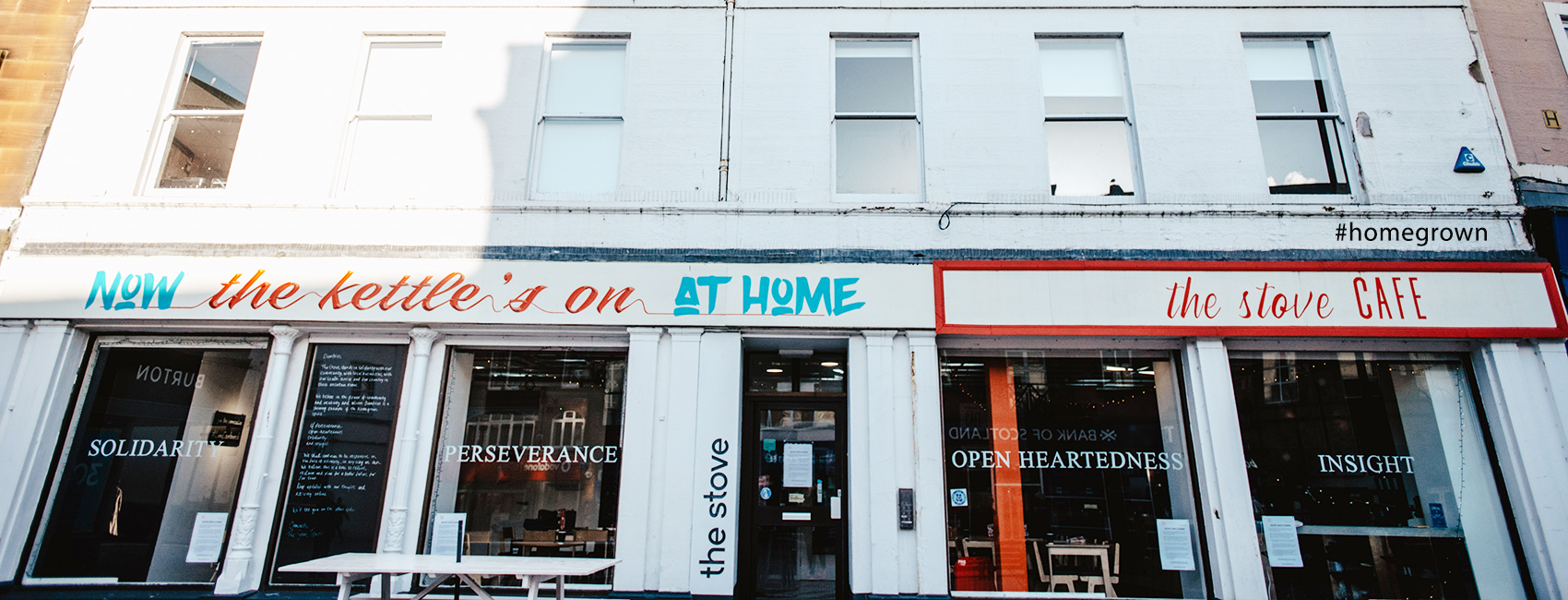
In the final few days before the government enforced the lockdown, we looked for four themes to guide our direction and settled on solidarity, open heartedness, insight and perseverance1. The title for the project looked to create a platform to share the creativity grown from homes across the region, and further afield – and to help create a space to allow these creative reflections to flourish.

We re-grouped, via the now all-too-familiar ZOOM for our first meeting online, and started to investigate how The Stove could respond. The Stove has always been a future-facing and responsive organisation, but we made the decision to be watchful and listen to those around us, supporting the efforts of the council and other agencies, who took the lead on the immediate challenges facing many of our communities.
As the rug was pulled from under our feet, it quickly showed that the rug was all that was holding some of us up; the floor’s foundations were not equally distributed. Of our 600+ members at the Stove, we estimated that as many as half will be self-employed or freelancers, and the COVID-19 shutdown in March saw many people’s incomes wiped out overnight as events and regular contracts were cancelled. The homegrown project initially looked to draw on our resources to share a series of micro-commissions to support Stove members facing financial difficulties. This theme further developed into Atlas Pandemica – for (more detail about this project visit here).

Hope for Food Origin Awareness. For Helen Walsh’s Feathers of Hope series as part of her micro commission

Each week, we invited a creative response from one of our members (growing to two per week as interest developed) to one of our four key themes, and over the weeks we were able to share the work of 14 different artists from a variety of backgrounds and creative approaches. The aim of these micro-commissions was light touch; the proposals were focused on sharing perspectives and experiences of the sudden changes to our world, and giving each artist the time and support to develop something creative where many were finding the daily routine too overwhelming to allow for any reflection or creative focus. Each commission also gave us the opportunity to meet and find out more about our membership, some of whom were new to our team, or familiar faces that we were able to build new relationships with, and to share this with our audiences and wider network digitally.
Homegrown also developed a series of ‘creative challenges’ that were open to anyone to take part in, and responses were received from a wide collection of participants. We set out not to provide distraction, or to add to the noise as organisations scrabbled to move their content online, but to create a space for reflective creative process – opening up space for ideas sharing, playful interaction and exchange. Some of our challenges were focused around key questions – What memories come in times of silence? Where are the secret spaces in your life now? Others invited an exploration of a particular technique or process – photography, writing or printmaking. All of the responses were then added to our online gallery and shared digitally as part of our homegrown conversation.

Memory Jar created by Andy Brooke

Homegrown was conceived of as a starting point, not to provide answers but to open the door to include as many voices in our conversations – towards a new folklore that documented the response from Dumfries and our wider Stove membership in a time of social isolation. Each conversation, collaboration that we hosted opened for us new ways of understanding and interpreting the world around us. As we were each confined to our personal spaces we were able to reach out and make the connections with other people, who helped to drive and direct the project’s course.
Everything is significant, and we have learned a lot over the past three months. As the lockdown moves into a new phase and the town gradually begins to re-open it’s doors, homegrown comes to a close – but we hope to take forward many of the conversations, ideas and approaches that we have learned during this time through listening and being open to the directions of others. As we look forward, we bring the influences of homegrown with us: our new project Atlas Pandemica looks to draw together a team of artists in response to the changes we’ve been facing in Dumfries and Galloway, and Elsewhere a town centre project will look to draw on and further develop some of the responses shared during the homegrown micro commissions. We hope to bring much of the homegrown content from the realm of the digital, back into the public sphere, the physical and the personal, and will be looking at ways to safely do this as restrictions continue to ease.

Doorways. A collective artwork by The Lockdown Collective, JoAnne, John and Luke McKay

The homegrown webpages will continue to live on the Stove website as a record of all of the work that we have shared and grown in our homes, together. To help you navigate the content, you can find:

  • Creative Challenges and responses
  • Artist Talks given by each of the homegrown micro-commissions

Special thanks to everyone that contributed to homegrown.
1Three of these themes, Insight, Open heartedness and perseverance, were originally part of Matt Baker’s three virtues artwork for Inverness.

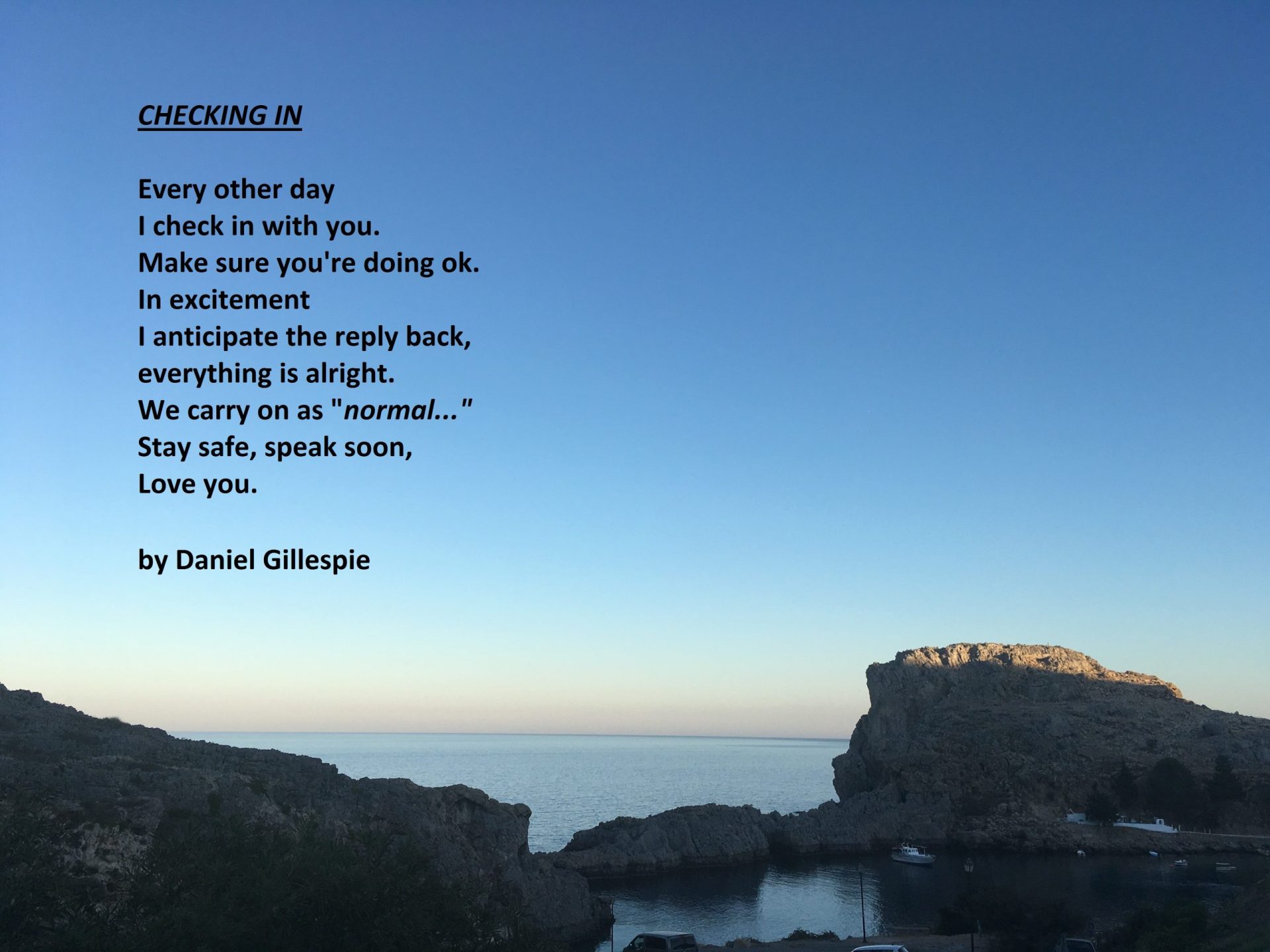
Poetry by Daniel Gillespie as part of his micro commission
Categories
Musings News Project Updates

homegrown – an introduction

With the out-break of COVID-19, we face a shared reality that will live on in the minds of this and further generations in pictures, stories, songs and memories. We are faced with questions we never foresaw answering.

In this time of social distancing, The Stove’s field of operation for community, creativity, care and gathering within spaces both shared and public is now radically altered, without objection. Isolation, distance and confinement are the new normal.

The priorities have shifted. The Stove has always functioned in collaboration; collaboration with communities, with artists, with other arts and community organisations, with policy-makers and as a team. In addressing this new normal we propose four values that will frame our work:

Insight
Perseverance
Open-heartedness
& Solidarity

Over the coming weeks, we invite you to explore with us these values through a series of creative challenges, conversation, commissions and activities that can be done in isolation and through connecting with one another via the internet and in so doing, build and maintain resilience in the present, as well as build hope and strategies of change for the future.

We choose to acknowledge and ask the right questions, host the conversations and create the new spaces where these can happen, aside from the café, pub, High Street or studio.
As humanity has always done, we will attempt to record and archive these projects, and together with our community, inspire a new folklore so that we might retain and remember this time, however it may be, for the posterity of generations’ hereafter.

Homegrown is exactly what the Stove is all about, and what it continues to be. Responsive, locally initiated, developed and owned.

As always, we are open to every idea that comes through our inbox. So please do get in touch if you would like to contribute, in any form, place or style you would like.

Categories
Musings Project Updates

Glaciers in the Stove Cafe

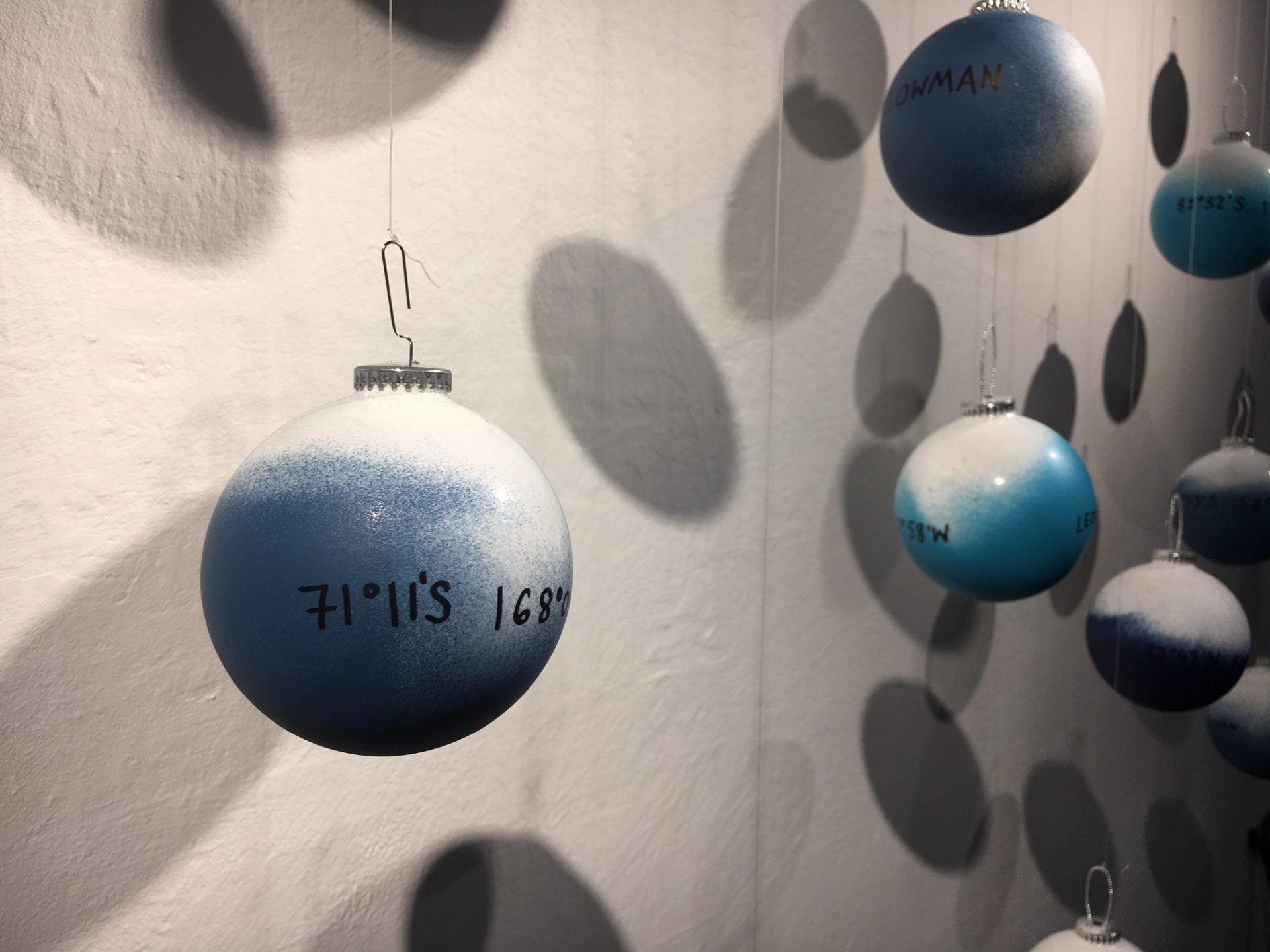
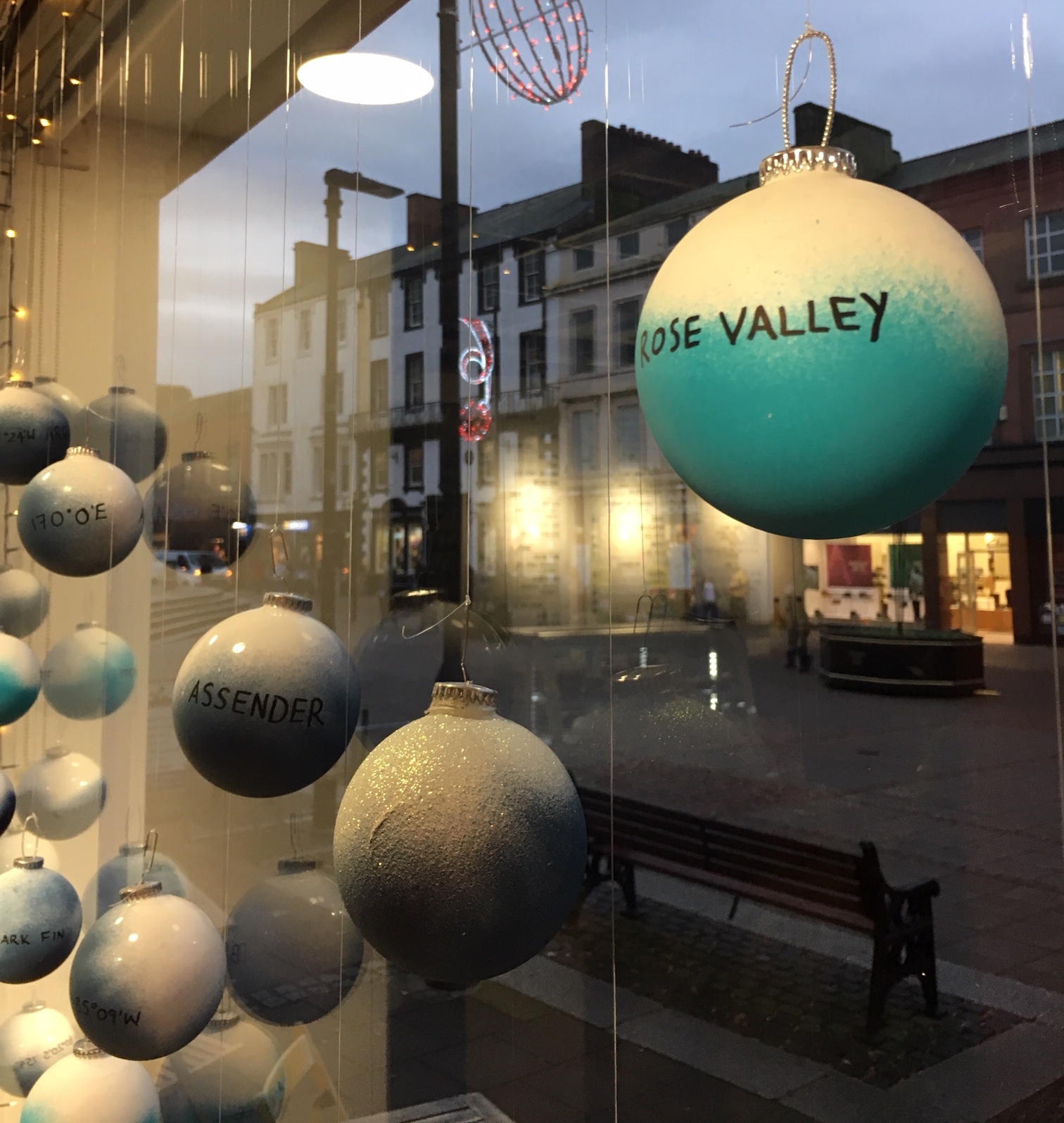
FORTUNA | FOGGYDOG | CHILD’S | SOCKS | DENNISTOUN | ANT HILL | BYRD | LEONARDO | DECEPTION | CREVASSE | PINE ISLAND | POLAR TIMES | SHAMBLES | SHARK FIN | UTOPIA | ZEPHYR | ROSE VALLEY | MYKLEBUSTBREEN | KUTIAH LUNGMA | KING OSCAR | SUN | SALMON | SILVERTHRONE | RADIANT | CHAOS | CROWFOOT | FOX | GREY | HELHEIM

There are 178,000* glaciers currently around the world. How many of them can you name?

People name things for lots of reasons; to claim ownership, to map, to locate, to commemorate or congratulate, to know or mark a time, or a place or a landscape.

In the naming of things we gain familiarity. It is easier to image a glacier called Foggydog, than one without a name.

If we can’t name them, how will we miss them when they are gone?

At the moment, 10% of land area on Earth is covered with glacial ice, including glaicers, ice camps and ice sheets. Glacial ice store about 69% of the world’s fresh water, if all land ice melted, sea level would rise by approximately. 70 metres worldwide.

Glacial ice often appears blue when it becomes very dense. Years of compression gradually make the ice denser over time, forcing out the tine air pockets between crystals.

Since the early 20th Century, glaciers around the world have been retreating at unprecedented rates. Many are retreating so rapidly that they may vanish within a matter of decades. Glaciers are considered among the most sensitive indicators of climate change as they are so affected by long term climatic change such as precipitation, mean temperature and cloud cover.

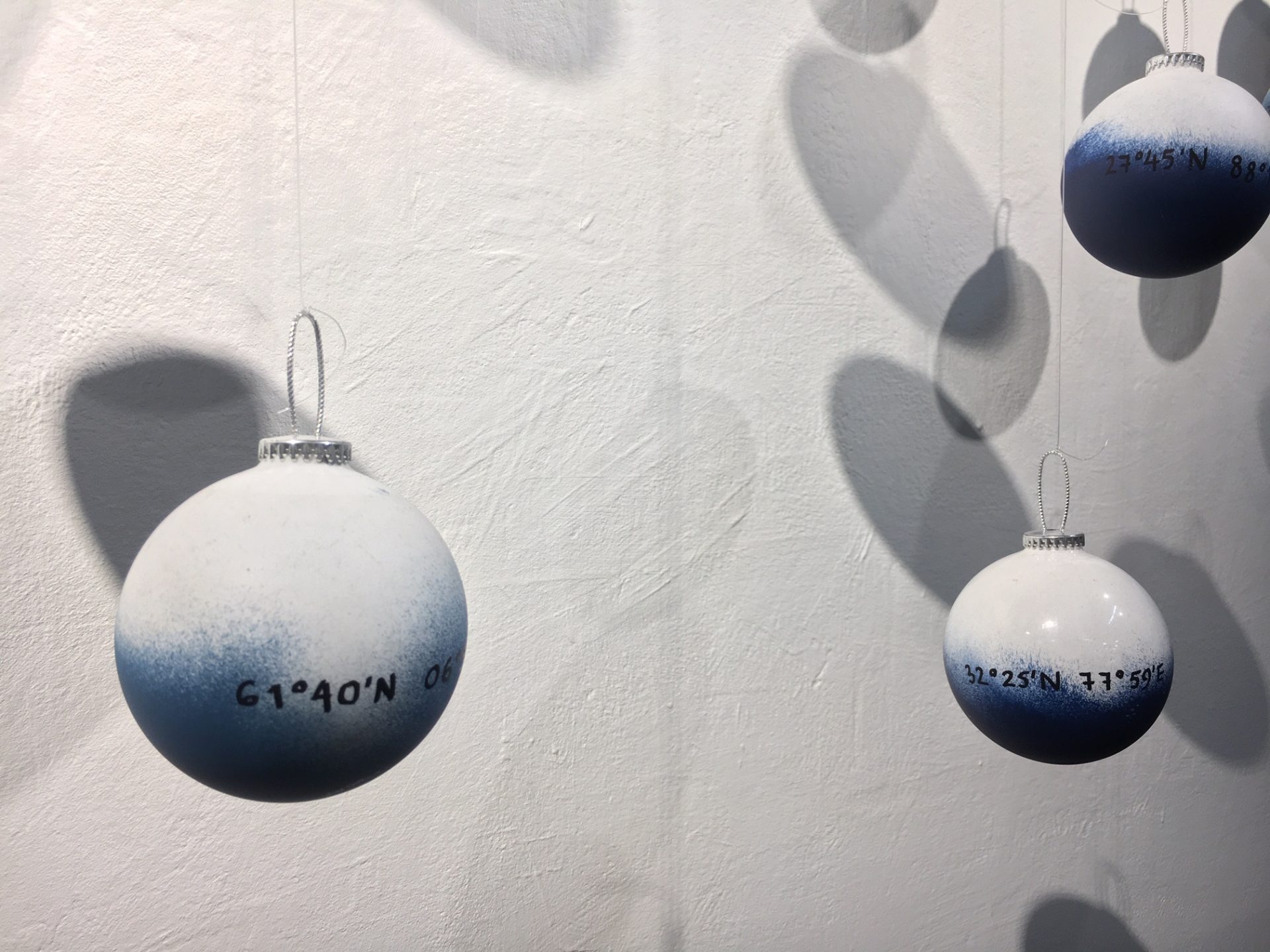
In the Stove cafe as part of our Christmas decorations, we have christened over 80 of our festive baubles ceremoniously after some of our favourite glacier names, alongside the co-ordinates so you can look them up yourself. Pop in for a closer look.

Categories
News Project Updates

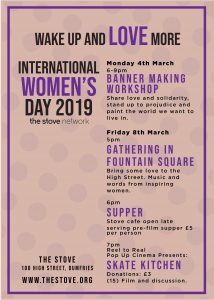
International Women’s Day at The Stove 2019

This year we were approached by students Bella Green and Candy, to host a day of activity at the Stove to celebrate and acknowledge International Women’s Day. The theme for our event – Wake Up And Love More – was inspired by Kate Tempest’s Tunnel Vision, a song from her latest album Let Them Eat Chaos.

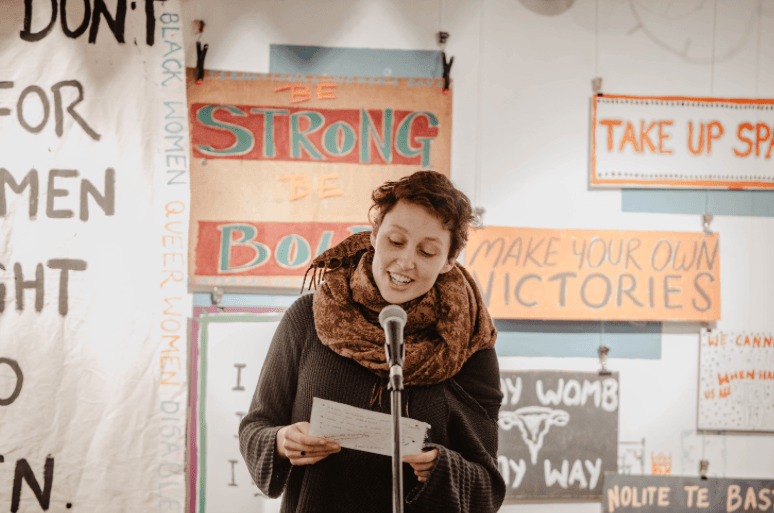
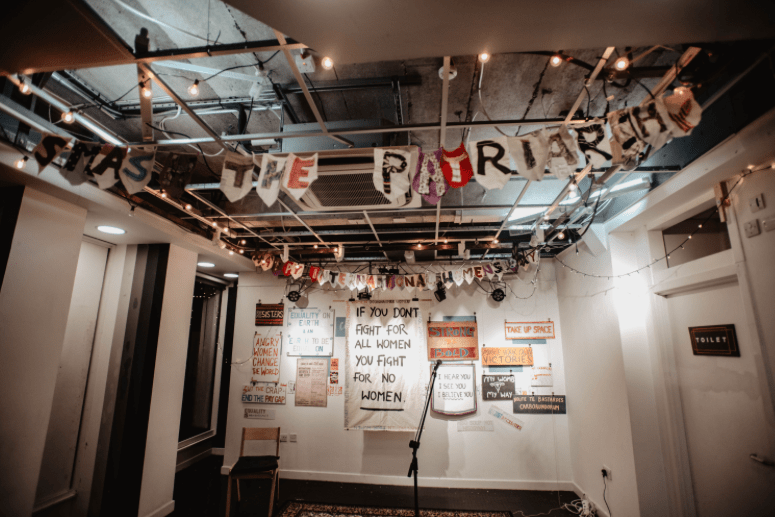
Our programme comprised of banner and placard making workshop, a two week display in the Stove café, an evening of discussion, food and performance and a film screening to close the day. Due to poor weather, we had to put on hold our plans to occupy the High Street, but instead created a warm and welcoming space in the Stove’s café.

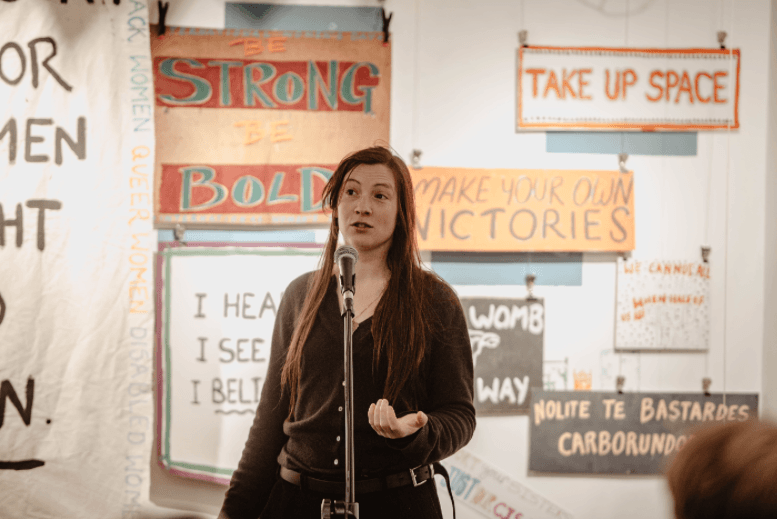
Bella Green introducing the evening. Image credit: Kirstin McEwan

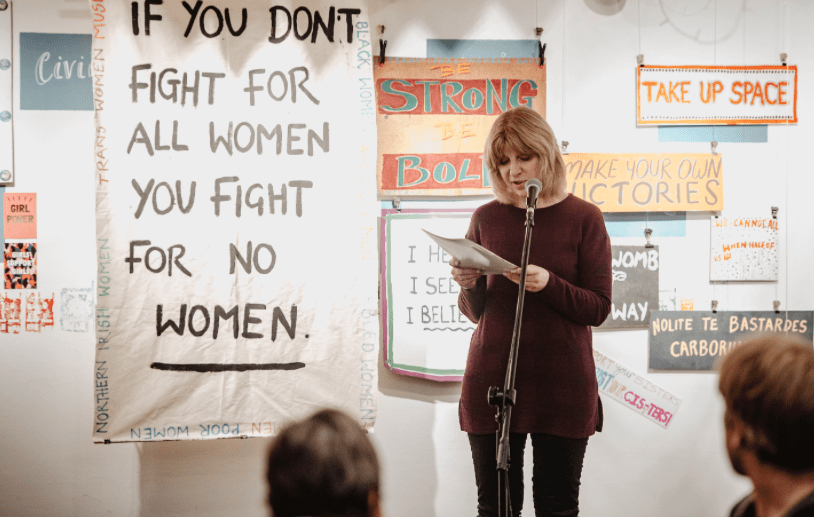
On the evening itself, we were joined by Women’s Aid for Nithsdale and the Stewartry, who were able to share with us some of their work in the region over the past 20 years and their current challenges. Performances included poetry and song, and even a short quiz compered by stovie Kirsty Turpie!

Smash the Patriarchy bunting!

Our film choice for the evening was teen drama Skate Kitchen, directed by Crystal Moselle and featuring the story of Camille and the all-girl New York City based skateboarding crew, Skate Kitchen.

All donations from the evening went to Women’s Aid.

Thank you to everyone who helped with the preparations for the event, our performers and speakers. All image credits: Kirstin McEwan

International Women’s Day at the Stove was part of our Conversing Building project, an on-going programme of events and displays in and around the Stove building sharing ideas and projects with wider communities. To find out more email [email protected].

Banners created during our open workshop